






The Great Indian Coffee Awakening
For years, coffee in most Indian households meant a spoonful of instant powder dissolved in hot milk and sugar. It was a quick, reliable caffeine fix, but rarely a sensory experience. This tradition, while still widespread, is now being challenged by
a significant cultural shift. A new generation of consumers, primarily millennials and Gen Z, is driving a surge in demand for specialty coffee. This isn't just about drinking coffee; it's about experiencing it. The market for specialty coffee in India, valued at over USD 3 billion in 2025, is projected to more than double by the early 2030s, signalling a profound change in the nation's palate. This growth is fueled by a desire for quality, transparency, and a connection to the product's origin.
Meet the New Wave of Coffee Drinkers
So, who is the new Indian coffee connoisseur? Largely urban and digitally savvy, these young consumers view coffee as a lifestyle choice, not just a morning ritual. Constituting nearly two-thirds of specialty coffee consumers, their preferences are shaped by global café culture, social media aesthetics, and a growing curiosity about what's in their cup. They are moving away from mass-produced blends and embracing the nuances of single-origin beans, artisanal roasts, and complex flavour profiles. This demographic is willing to spend more for a premium product that tells a story, whether it's about the specific estate where the beans were grown or the ethical sourcing practices behind it. It's a move from convenience to conscious consumption.
The Allure of South Indian Estates
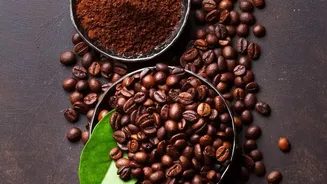
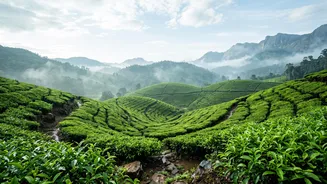
The heart of this trend lies in the misty hills of the Western Ghats, India’s coffee cradle. States like Karnataka, Kerala, and Tamil Nadu produce the bulk of India's coffee, with regions like Coorg and Chikmagalur gaining international recognition. Unlike sun-drenched plantations elsewhere, much of India's coffee is shade-grown under a diverse canopy of trees, which slows the maturation of the coffee cherry and develops more complex sugars and flavours. This unique terroir results in beans with distinctive tasting notes—from the caramel and citrus of Chikmagalur Arabica to the bolder, spicier profiles of Robusta from Coorg. As consumers learn to appreciate these subtleties, the story of the bean becomes as important as the brew itself.
From Cafes to Kitchen Counters
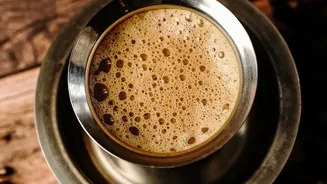
This coffee renaissance isn't just happening in bustling urban cafes. The pandemic accelerated a major trend in home brewing. Enthusiasts are now investing in their own equipment, from traditional South Indian filters and French presses to more advanced pour-over kits. This DIY movement is supported by a booming ecosystem of direct-to-consumer (D2C) brands like Blue Tokai and Sleepy Owl, which make freshly roasted, estate-specific beans accessible online. These companies often focus on educating their customers, providing brewing guides and origin stories that transform a simple purchase into a deeper engagement with the craft. This has turned kitchens into personal coffee labs, where experimentation and perfection are part of the daily routine.
Is the Perfect Cup Worth the Price?
Of course, this step up in quality comes at a cost. A bag of single-origin beans from a specialty roaster is significantly more expensive than a jar of instant coffee. However, for many, the value proposition is clear. The shift is not just about taste but about the entire experience: the aroma of freshly ground beans, the ritual of brewing, and the knowledge of the coffee's journey from a specific hillside in Karnataka to their cup. As disposable incomes rise and consumer priorities evolve, this affordable luxury is finding a growing audience. The boom in D2C brands and subscription models is also making high-quality coffee more convenient and, in some cases, more economical than a daily cafe visit, bridging the gap between indulgence and daily habit.