





An Uneven and Delayed Arrival
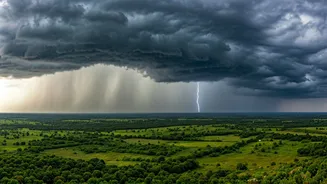
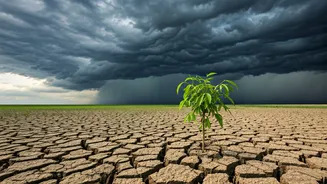
The Southwest Monsoon's progress in 2026 has been sluggish and patchy. As of late June, the country is facing a significant rainfall deficit. According to the India Meteorological Department (IMD), cumulative rainfall between June 1 and June 25 was over
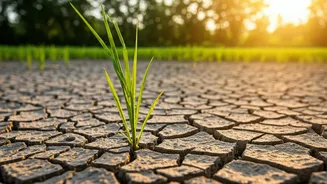
41% below the long-period average. While the monsoon has advanced into some regions like Mumbai and is expected to move into parts of Uttar Pradesh, Bihar, and Gujarat in the coming days, the overall picture is one of delay and deficiency. Central India has been hit particularly hard with a 57% deficit, and key agricultural states like Maharashtra, Madhya Pradesh, and Chhattisgarh are also facing major shortfalls. This erratic pattern, marked by long dry spells, has stalled crucial pre-sowing activities and raised concerns about the Kharif crop cycle.
The Direct Line From Fields to Kitchens
The link between the monsoon's performance and household finances is direct and potent. Nearly half of India's farmland is rain-fed, making the Kharif (summer) crop season critically dependent on timely and adequate rainfall. A delayed or weak monsoon directly impacts the sowing of essential crops like rice, pulses, oilseeds, and cotton. When rains are poor, farmers face a difficult choice: postpone sowing and risk a shorter growing season, or shift to less water-intensive crops. This year, early data has already shown a slower start to Kharif sowing compared to last year. Lower crop yields inevitably lead to supply constraints, which in turn push up wholesale and retail food prices. This entire chain reaction begins with rainfall patterns and ends at the local vegetable vendor and kirana store, impacting what families can afford to put on their plates.
Which Prices Are Most at Risk?
When the monsoon falters, certain food items are more vulnerable to price shocks. Vegetables are often the first to feel the impact. Even before the monsoon's full effect is felt, intense summer heat has already caused prices for staples like tomatoes to surge. Experts warn that a continued rainfall deficit will put upward pressure on key horticultural crops like onions and tomatoes, as well as pulses and oilseeds, which are largely grown in rain-fed areas. Milk prices can also rise due to a shortage of affordable cattle feed, which is linked to agricultural output. While a bumper potato crop from the previous season has kept its prices down for now, the overall trend for fresh produce is one of increasing cost. These items form a significant part of the Consumer Food Price Index (CFPI), which already saw an increase to 4.78% in May 2026, indicating that the pressure is already building.
Beyond the Grocery Bill
The economic impact of a poor monsoon extends beyond just food inflation. A struggling agricultural sector has significant ripple effects across the economy. Lower farm incomes reduce purchasing power in rural areas, which dampens demand for goods and services from tractors to consumer products, affecting industries that depend on this market. Furthermore, the monsoon is crucial for replenishing reservoirs that are vital for drinking water and generating hydropower. Insufficient rainfall can strain water supplies in major cities and reduce electricity generation from dams, potentially leading to higher energy costs as providers turn to more expensive fuel sources. The anxiety is no longer confined to farms; it now reaches urban households through multiple channels, from electricity bills to the overall economic outlook.
Preparing Your Household Budget
While you can't control the weather, you can take steps to manage its financial impact. This is a good time to review your family's budget with a focus on non-essential spending. Creating a 'monsoon budget' might involve temporarily cutting back on discretionary expenses to build a buffer for rising food and utility costs. Smart shopping strategies can also make a difference. Plan meals around seasonal vegetables that are more readily available and less expensive. Buying groceries in bulk where possible, especially for non-perishables like pulses and grains, can help lock in current prices. Finally, pay attention to reducing food waste at home. Using leftovers creatively and storing produce correctly can stretch your grocery budget further. Being mindful of electricity and water consumption can also help offset potential increases in utility bills. The key is to be proactive rather than reactive.