








What 'Active Monsoon' Really Means
When the IMD declares an 'active' or 'vigorous' monsoon, it's a signal to take the weather seriously. This isn't about gentle, intermittent showers. An active phase is characterized by strong, widespread, and sustained rainfall over a large area, often
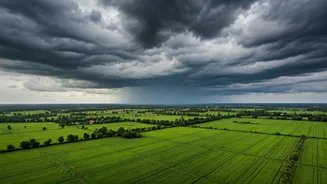
lasting for several days. It occurs when meteorological conditions—like a well-positioned monsoon trough or a strong low-pressure system—align to draw immense moisture from the sea onto the land. During this period, rainfall can be 1.5 to 4 times the normal amount. For citizens, this translates directly into a higher risk of urban flooding, overflowing rivers, landslides in hilly areas, and significant disruptions to transport and power supply. The declaration is a formal warning that conditions are ripe for severe weather events.
Maharashtra: Mumbai Submerged, Konkan on Edge
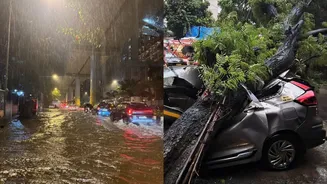
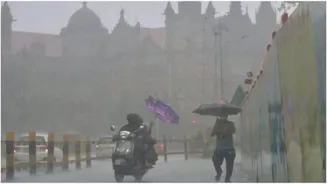
In Maharashtra, the active monsoon has hit the western coast and major urban centres with full force. Mumbai, the nation's financial capital, is grappling with its perennial monsoon challenge: severe waterlogging. Low-lying areas like Andheri, Sion, and Kurla have seen roads turn into rivers, bringing vehicular traffic to a standstill and severely impacting the city's lifeline—the local train network. The IMD has issued 'orange' and 'red' alerts for several districts, including Mumbai, Thane, Palghar, and the entire Konkan region (Raigad, Ratnagiri, Sindhudurg). These alerts signify a forecast of extremely heavy rainfall, prompting authorities to advise residents to stay indoors unless necessary. In hilly regions around Pune and the Western Ghats, the risk of landslides is critically high, leading to the closure of several key roads and ghat sections as a precautionary measure.
Odisha: East Coast Braces for Deluge
Simultaneously, on India’s east coast, Odisha is facing its own monsoon onslaught, driven by a cyclonic circulation and a low-pressure area forming over the Bay of Bengal. This system is dumping heavy to very heavy rainfall across the state’s coastal and southern districts. Regions like Puri, Ganjam, and Gajapati are experiencing intense downpours, leading to flash floods and waterlogging in urban and rural areas. The state government, with its well-honed disaster management protocols, has put its machinery on high alert. The Odisha Disaster Rapid Action Force (ODRAF) teams have been deployed to vulnerable areas, and district collectors have been instructed to monitor the situation closely, especially the water levels in major rivers like the Mahanadi and Baitarani, which are swelling dangerously.
The Science Behind the Surge
This dual-coast deluge isn't a coincidence; it's a result of powerful, large-scale atmospheric patterns. The monsoon's intensity in Maharashtra is largely fueled by strong westerly winds from the Arabian Sea, which are forced upward by the Western Ghats, causing them to release massive amounts of rainfall. Additionally, an offshore trough—an elongated area of low pressure running parallel to the coast—is further strengthening these moisture-laden winds. In Odisha, the primary driver is the low-pressure system in the Bay of Bengal. These systems are the rain-bearing engines of the monsoon on the east coast, and their movement and intensity dictate where the heaviest rain will fall. The current 'active' phase means both these systems are firing on all cylinders at the same time.
How to Stay Safe: A Practical Guide
Navigating an active monsoon requires caution and preparedness. First and foremost, trust only official sources for information—the IMD for weather alerts and your local municipal or disaster management authority for on-ground advisories. Avoid spreading unverified news or videos on social media. If you live in a low-lying or flood-prone area, prepare an emergency kit with essentials like a torch, first-aid supplies, dry food, and drinking water. Avoid walking or driving through waterlogged streets; hidden dangers like open manholes and electrical wires pose a serious threat. Secure your home by checking for loose roof tiles and ensuring drains are clear. Finally, if authorities issue an evacuation order for your area, comply immediately. Your safety is the top priority.