




The Superfood Hiding in Plain Sight
Moringa, known to many as 'sahjan' or the drumstick tree, is hardly a new discovery. Its leaves, flowers, and drumsticks have been part of regional Indian cuisines and Ayurvedic medicine for centuries. What is new is its global recognition as a 'superfood',
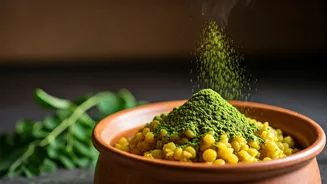
thanks to an incredible nutritional profile. While fresh leaves are great, the most convenient way to get its benefits is through dried moringa leaf flakes or powder. This concentrated form makes it easy to store and add to everyday meals, offering a potent dose of nutrients without the hassle of sourcing and prepping fresh leaves.
An Exceptional Source of Iron
One of moringa’s most celebrated benefits is its high iron content. Iron deficiency is a significant health concern in India, particularly among women and children, leading to fatigue, weakness, and anaemia. Dried moringa leaves are a fantastic plant-based source of this vital mineral. Gram for gram, moringa powder contains significantly more iron than spinach. This makes it an excellent dietary supplement for vegetarians and anyone looking to boost their iron intake naturally. Adding it to dal, which often contains lentils that are also good sources of iron, can create a powerful combination to help meet your daily needs.
More Than Just Iron
While the iron content is impressive, moringa is a multi-talented plant. The leaves are packed with a wide array of essential nutrients. They are a rich source of vitamins A and C, which support immune function and skin health. Moringa also provides a substantial amount of plant-based protein, calcium for bone health, and potassium. Furthermore, it is loaded with antioxidants like quercetin and chlorogenic acid, which help combat oxidative stress and inflammation in the body. It’s not just a supplement; it’s a whole-food multivitamin provided by nature.
How to Add Moringa to Your Dal
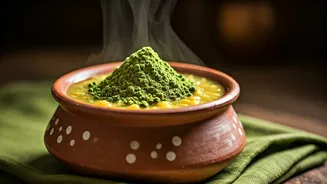
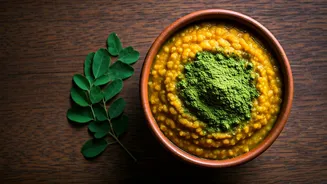
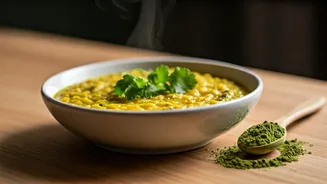
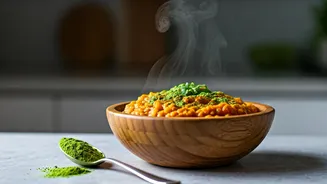
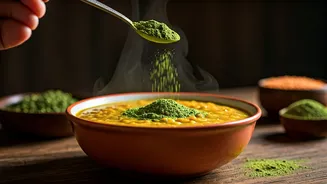
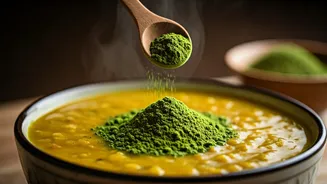
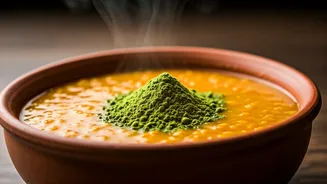
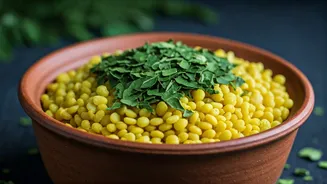
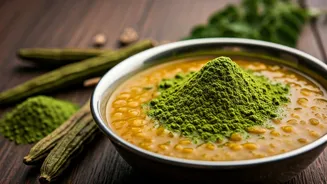
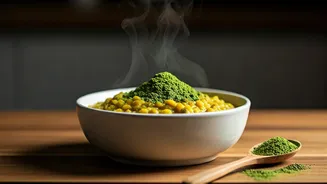
Incorporating moringa into your dal is incredibly simple. The key is to preserve its nutrients, which can be sensitive to prolonged heat. Here’s the best way to do it: 1. **Choose your form:** You can use either dried flakes or fine powder. Flakes will rehydrate and blend in, while powder dissolves more easily. 2. **Time it right:** Prepare your dal as you normally would. Whether it’s dal tadka, sambar, or a simple dal fry, complete the entire cooking process, including the tempering (tadka). 3. **Stir it in at the end:** Just before you turn off the heat or even after, stir in the moringa. For a serving that feeds 3-4 people, start with one teaspoon of moringa powder or one tablespoon of flakes. This is enough to provide benefits without overwhelming the flavour. 4. **Mix well:** Stir thoroughly until the moringa is well-incorporated. The powder will give the dal a slightly deeper green-brown hue. Let it sit for a minute before serving. This method ensures you get the maximum nutritional benefit.
But Will It Ruin the Taste?
This is the most common concern, and the answer is no—if you use the right amount. Moringa has a distinct earthy, slightly bitter taste, similar to spinach or methi (fenugreek) leaves. However, the robust and complex flavours of a well-spiced Indian dal are more than capable of balancing it out. The garlic, ginger, turmeric, cumin, and hing are strong enough that a teaspoon of moringa will blend into the background, barely noticeable to the palate. If you are hesitant, start with just half a teaspoon and gradually increase it as you get accustomed to the flavour.