







The Problem with Staying Put
The human body is designed for movement. When you remain in a static position for hours, whether sitting or standing, several negative effects begin to take hold. Prolonged sitting is linked to a range of health issues, including obesity, high blood pressure,
and an increased risk of cardiovascular disease. This is because inactivity causes your metabolism to slow down and impairs blood circulation. This can lead to muscle stiffness, particularly in the neck, shoulders, and lower back, as certain muscle groups become tight while others weaken. Your hip flexors can shorten, leading to tightness and discomfort when you walk, and poor posture can strain your spine, potentially leading to chronic pain and musculoskeletal disorders.
It's About Variation, Not Just Standing
The conversation around sedentary work often presents a simple solution: get a standing desk. While standing is a better alternative to uninterrupted sitting, the real key to workplace wellness is postural variation. Standing all day can also lead to fatigue and strain on your back and legs. The most effective strategy is to alternate between sitting and standing and, most importantly, to incorporate frequent, small movements throughout the day. Experts recommend changing your position every 30 to 60 minutes. This regular interruption of static posture is more beneficial than one or two long breaks. Even micro-movements, like shifting your weight, stretching your arms, or adjusting your chair height, can stimulate blood flow and relieve muscle tension.
The Cognitive and Physical Boost
The benefits of frequent movement extend beyond preventing physical pain. Increased blood flow delivers more oxygen and nutrients to your brain, which can significantly improve focus, mental clarity, and creativity. Taking short breaks to move can help prevent the mental fatigue that sets in during long periods of concentration, leading to a reset that boosts productivity and decision-making. Physically, changing your posture reduces muscle fatigue, improves circulation, and helps maintain joint mobility. This preventative approach is crucial; regular movement helps avoid the buildup of strain that leads to repetitive stress injuries and chronic discomfort, making you feel more energised and less fatigued at the end of the day.
Simple Ways to Add Movement
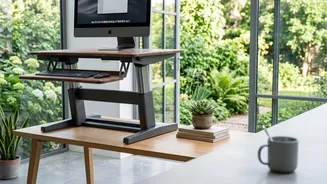
Integrating more movement into your workday doesn't require a complete overhaul of your routine. The key is to build simple, sustainable habits. Set a timer to remind yourself to change position every 30 minutes. Use these moments to stand up and stretch, walk to get a glass of water, or do some simple desk exercises like shoulder rolls, neck stretches, or wrist flexes. Instead of sending an email to a colleague nearby, walk over to their desk. Take phone calls while standing or pacing. If possible, consider a sit-stand desk, which makes it easy to alternate between positions. A good starting ratio is 30 minutes of standing for every 60 minutes of sitting, gradually working toward a more even balance.
Making Movement a Habit
The goal is to make movement an automatic part of your day, not another task on your to-do list. Start by identifying opportunities that already exist. Can you take the stairs instead of the lift? Can you incorporate a short walk during your lunch break? You can also try habit-stacking, where you attach a new movement habit to an existing one. For example, every time you finish a meeting, stand up and stretch for one minute. Organizing a workplace movement challenge can also provide motivation and accountability. By creating systems and routines, you make it easier to stay active without constantly relying on willpower. The key is consistency over intensity; small, regular movements add up to significant long-term benefits.