





The Undeniable Link Between Movement and Rest
It’s long been said that an active day leads to a restful night, and science continues to prove this adage true. Numerous studies confirm that regular physical activity is one of the most effective non-pharmacological tools for improving sleep. Exercise
helps regulate the body's internal clock, reduce stress and anxiety, and balance the hormones responsible for our sleep-wake cycles. The result is often falling asleep faster, staying asleep longer, and waking up feeling more refreshed. A large European study that tracked participants over a decade found that those who remained consistently active were significantly less likely to experience insomnia symptoms and were more likely to get the recommended six to nine hours of sleep per night.
Is Consistency More Important Than Intensity?
While it's tempting to think a single, grueling workout can erase a week of inactivity, research suggests that consistency is the real key to unlocking better sleep. One large-scale study found that people who started and maintained a regular exercise habit had a significantly higher chance of improving their sleep restfulness compared to those who were inactive. In fact, this study highlighted that structured, intentional exercise—like a planned brisk walk, run, or gym session—was more impactful for sleep than simply hitting a daily step count from general activity. The benefits appear to build over time, with one study noting a 65% improvement in sleep quality after just six weeks of consistent exercise. Persistently active people are simply less likely to struggle with falling asleep or experience extreme sleep durations, whether too short or too long.
What Kind of Exercise Is Best?
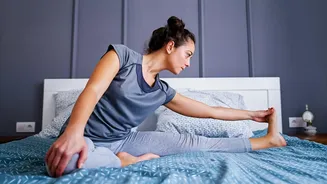
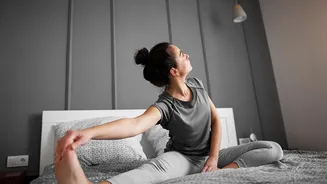
When it comes to the type of exercise, there’s good news: nearly all movement helps. However, recent studies have uncovered some interesting nuances. A major 2024 meta-analysis found that programs combining aerobic exercise (like running or cycling) with resistance training (like lifting weights) produced the largest overall improvements in sleep quality. Resistance training on its own also performed surprisingly well, showing strong benefits for sleep duration and efficiency. Other studies have pointed to different winners; a 2025 report identified Pilates as highly effective, while another review found yoga came out on top, possibly due to its focus on controlled breathing that calms the nervous system. The takeaway isn't that one is definitively 'best,' but that different types of exercise may improve different aspects of sleep. Aerobics are great for reducing stress, while strength training can help you stay asleep with fewer interruptions.
Debunking the Myth of Evening Workouts
A common piece of advice is to avoid exercising too close to bedtime, fearing it will leave you too energised to sleep. However, modern research largely challenges this idea. One comprehensive analysis found that working out within three hours of going to sleep was not only unharmful but was actually associated with positive sleep outcomes for many people. The body’s temperature rises during exercise and then drops 30 to 90 minutes afterward, a process that can help facilitate sleepiness. Of course, individual responses vary. While moderate-intensity activity in the evening is generally fine, some people might find that a very vigorous session right before bed can interfere with their ability to wind down. The key is to listen to your body and find a routine that works for you.