


Weather: Post-Monsoon Freshness vs. Dry Coastal Bliss
September is a transitional month for weather in both countries. In Nepal, the monsoon is retreating, especially from mid-month onwards. The early part of the month can still see significant rainfall, but as September progresses, the skies clear up, revealing
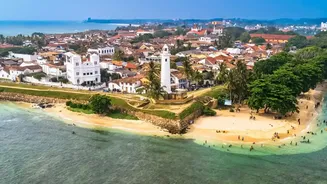
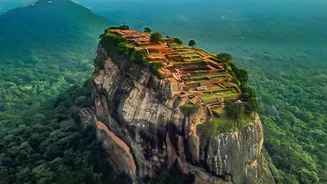
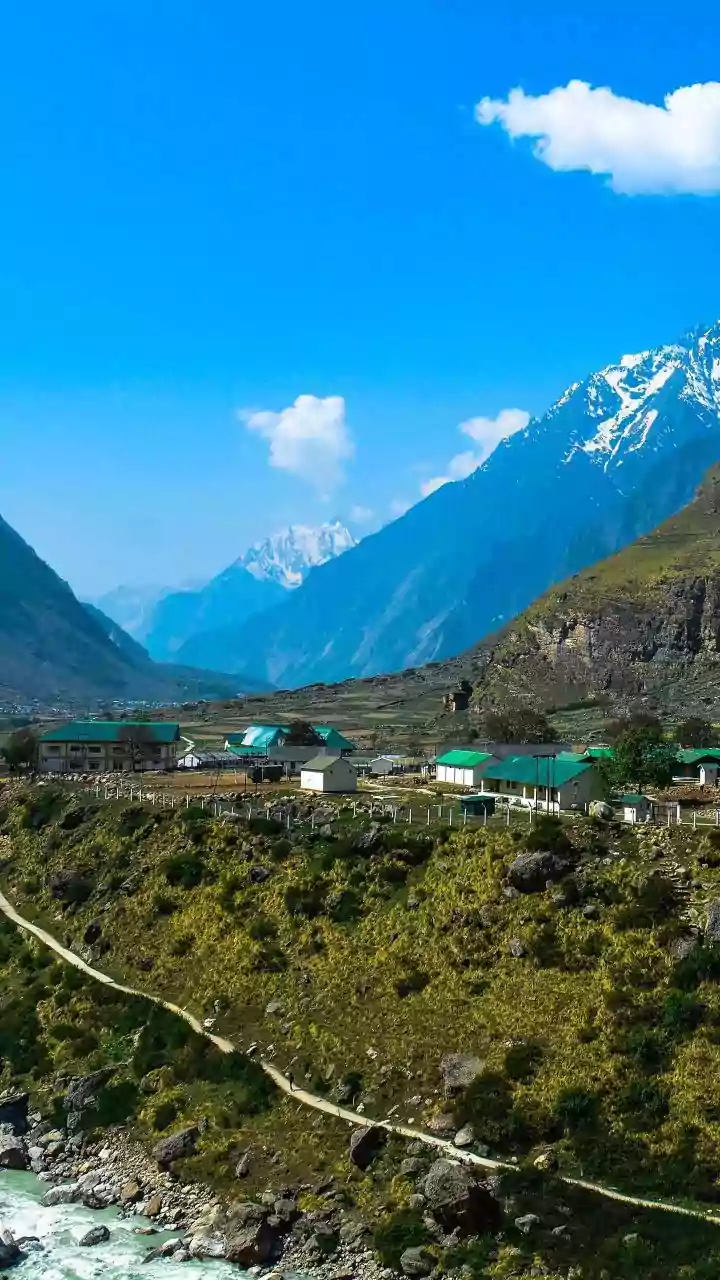
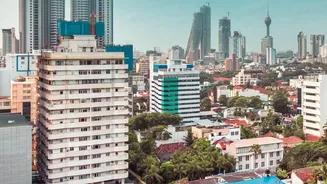
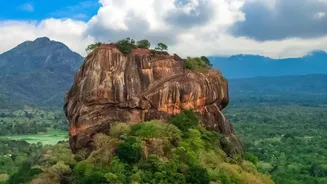
lush, green landscapes and fresh, clean air. Temperatures in Kathmandu are comfortable, ranging from 18°C to 27°C. This makes it a great time for sightseeing and the start of the trekking season without the peak crowds of October. Sri Lanka, on the other hand, has a more complex dual-monsoon system. In September, the southwest monsoon is ending, which means the south and west coasts can still be wet. However, the east and north coasts are typically dry and sunny, making it an excellent time to visit places like Trincomalee, Pasikuda, and Arugam Bay for beach activities. The Cultural Triangle, including sites like Sigiriya and Polonnaruwa, also experiences good weather. Temperatures remain tropical, averaging around 28°C-30°C.
Activities: Trekking Trails or Temple Trails?
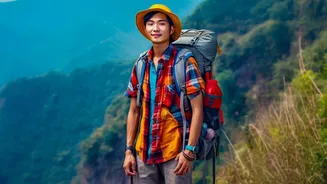
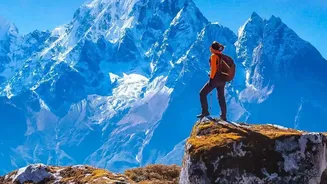
Your choice of destination heavily depends on the kind of holiday you want. Nepal in September is all about the outdoors. As the monsoon rain subsides, trekking trails in popular regions like Annapurna and Everest become accessible and are less crowded than in October. The post-monsoon scenery is spectacular, with vibrant green hills and roaring waterfalls. Beyond trekking, you can explore the heritage sites of Kathmandu Valley, which are refreshed after the rains, or head to Pokhara for lakeside relaxation with improving mountain views. Chitwan National Park also offers great wildlife safari opportunities.
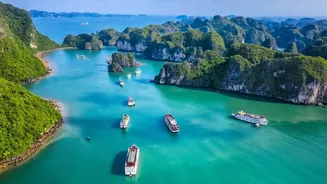
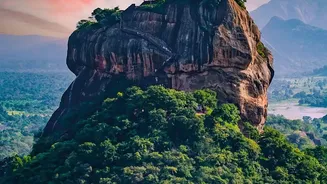
Sri Lanka in September offers a fantastic mix of culture, wildlife, and beaches. It's an ideal time to explore the Cultural Triangle's ancient cities like Polonnaruwa and the iconic Sigiriya rock fortress with fewer crowds. For wildlife enthusiasts, September is the last chance to witness the famous 'Gathering' of hundreds of elephants at Minneriya National Park. If you're a beach lover, the east coast is your playground. Trincomalee offers calm waters for swimming and snorkelling, while Arugam Bay still has excellent conditions for surfing.
Budget and Accessibility for Indian Travellers
Both countries are incredibly budget-friendly for Indians. For Nepal, no visa is required for Indian citizens; a valid passport or a Voter ID card is sufficient for entry by air or land. This makes impromptu trips very easy. Flights from cities like Delhi and Kolkata are short and relatively cheap, especially when booked in advance. On-ground costs for accommodation and food are famously low, with a daily budget of ₹1,500–₹2,500 being comfortable for many. The favourable exchange rate (1 INR ≈ 1.6 NPR) also helps your money go further.
For Sri Lanka, Indian citizens need to apply for an Electronic Travel Authorisation (ETA) online before travel, which is often offered for free. It's a straightforward process that grants a 30-day double-entry permit. Flights from southern Indian cities like Chennai and Bengaluru are very short and affordable. While Sri Lanka can be slightly more expensive than Nepal, it still offers great value. September is considered a shoulder season, so you can find good deals on hotels. A mid-range trip can be planned comfortably, with daily expenses for food ranging from ₹800 to ₹1,500.
The Vibe: Himalayan Calm or Island Rhythms
The atmosphere in each country offers a distinct experience. Nepal in September has a sense of reawakening. The tourist season is just beginning, so there's an air of excitement without the hustle of peak season. The landscape is at its most beautiful and serene. The month is also culturally significant, with major festivals like Teej and Indra Jatra, offering a chance to witness vibrant local traditions.
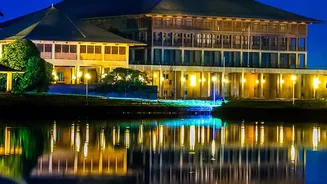
Sri Lanka in September feels relaxed and less crowded, as the summer holiday rush has ended. The east coast towns have a laid-back, beach-town vibe. The country's rich history is palpable in the ancient cities, and exploring them without large crowds makes the experience more intimate. You can also experience cultural events like the Binara Poya (full moon day) celebrations.