







The Rise of the ‘Third Place’
The transformation of the humble coffee shop is rooted in a concept from the 1980s called the "third place." Coined by sociologist Ray Oldenburg, it refers to social environments separate from our two primary ones: home (the first place) and work (the second).
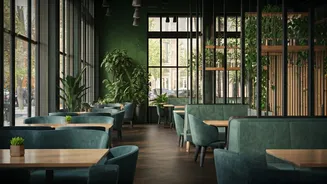
For generations, these were pubs, community centres, or town squares. Today, as remote work blurs the lines between home and office, the coffee shop has stepped up to become the modern third place for millions. It offers a change of scenery from the home office and a more relaxed, accessible alternative to a corporate building, providing a crucial space for community, ritual, and a sense of belonging.
The New Unofficial Office
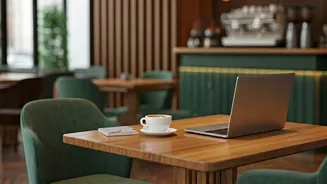
The global shift to remote and hybrid work has been a massive catalyst in this evolution. Freelancers, digital nomads, and employees on their 'work from anywhere' days have traded cubicles for café tables. In response, savvy coffee shops are redesigning their spaces to become more work-friendly. This means more than just offering free Wi-Fi. We're now seeing an abundance of power outlets, comfortable seating designed for long stretches of laptop use, designated quiet zones, and even reservable work areas or membership models. Some cafes have found a middle ground by implementing Wi-Fi time limits to ensure table turnover while still welcoming the work crowd.
More Than Just a Cup of Coffee
To keep customers engaged from morning till evening, coffee shop menus have had to evolve dramatically. The offering now often extends well beyond pastries and a single-origin pour-over. We're seeing full, all-day food menus that rival casual restaurants, with everything from breakfast sandwiches to lunch wraps and protein boxes. This diversification is a smart business move, increasing the average spend per customer. As day turns to night, some establishments transform again, adding craft beer, wine, and coffee-based cocktails to their menus, turning the daytime workspace into a relaxed evening social spot.
Brewing a Sense of Community
In urban India and across the world, coffee shops are consciously positioning themselves as neighbourhood hubs. They are becoming cultural centres that foster connection and creativity. It's now common to see cafes hosting a wide array of events, from open mic nights and live music to poetry readings, book clubs, and local art exhibitions. Some even host workshops on everything from latte art to creative writing. By doing this, they're not just selling coffee; they're creating a space where people can connect with like-minded individuals and feel like part of a local scene.
The Business Behind the Vibe
This new model presents both opportunities and challenges for cafe owners. While having a full house all day seems ideal, a customer nursing a single latte for four hours isn't profitable. This is why hybrid business models are emerging. Expanded menus with higher-margin food and evening drinks help offset the cost of patrons who linger. Some cafes are experimenting with paid coworking memberships or time-based pricing for certain areas. The ultimate goal is to strike a delicate balance: creating a welcoming, comfortable atmosphere that encourages people to stay, while also ensuring a steady flow of revenue that keeps the business thriving.