

The Great Himalayan Rain Shadow
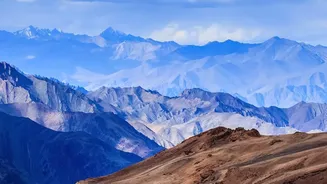
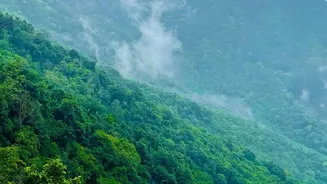
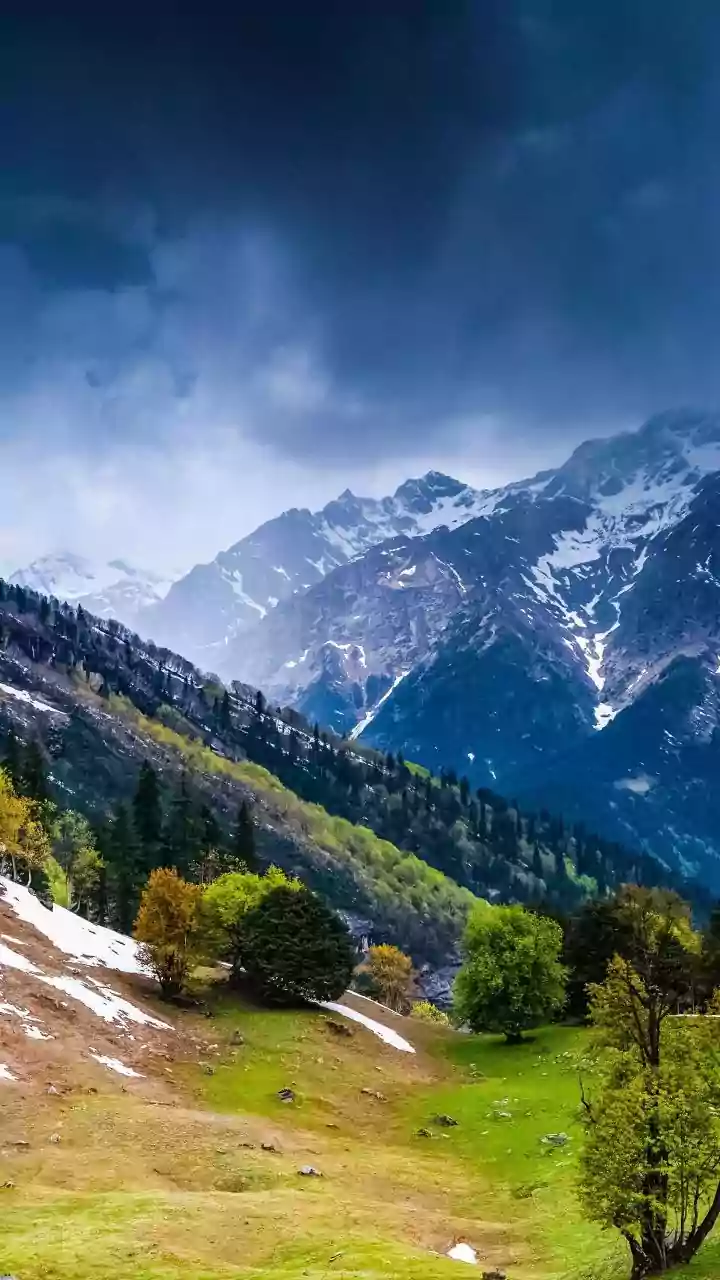
The primary reason Ladakh is an ideal monsoon destination is a simple geographical marvel: the rain shadow effect. The mighty Himalayan ranges act as a colossal barrier, blocking the moisture-laden monsoon clouds that travel up from the Indian Ocean.
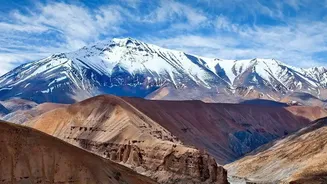
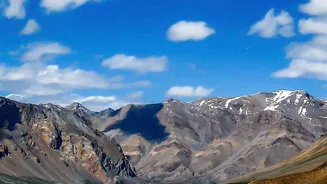
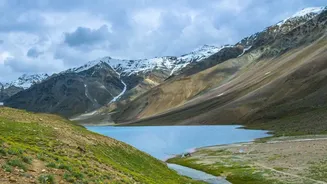
These clouds exhaust their rain on the southern slopes, leaving the land to the north—Ladakh—almost completely dry. While the rest of the country experiences heavy rainfall, Ladakh receives minimal precipitation, often less than 100mm annually, earning it the title of a 'cold desert'. This unique climatic condition means you can leave your rain gear behind and soak up the sun instead.
Sunshine, Clear Skies, and Pleasant Weather
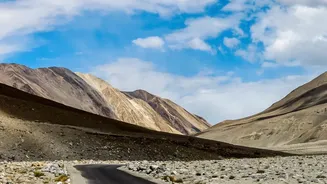
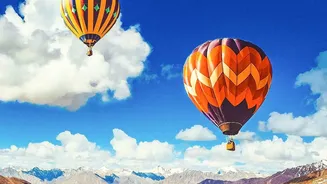
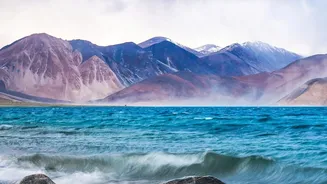
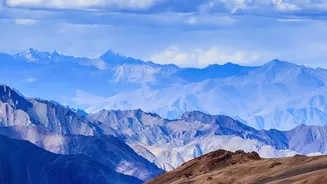
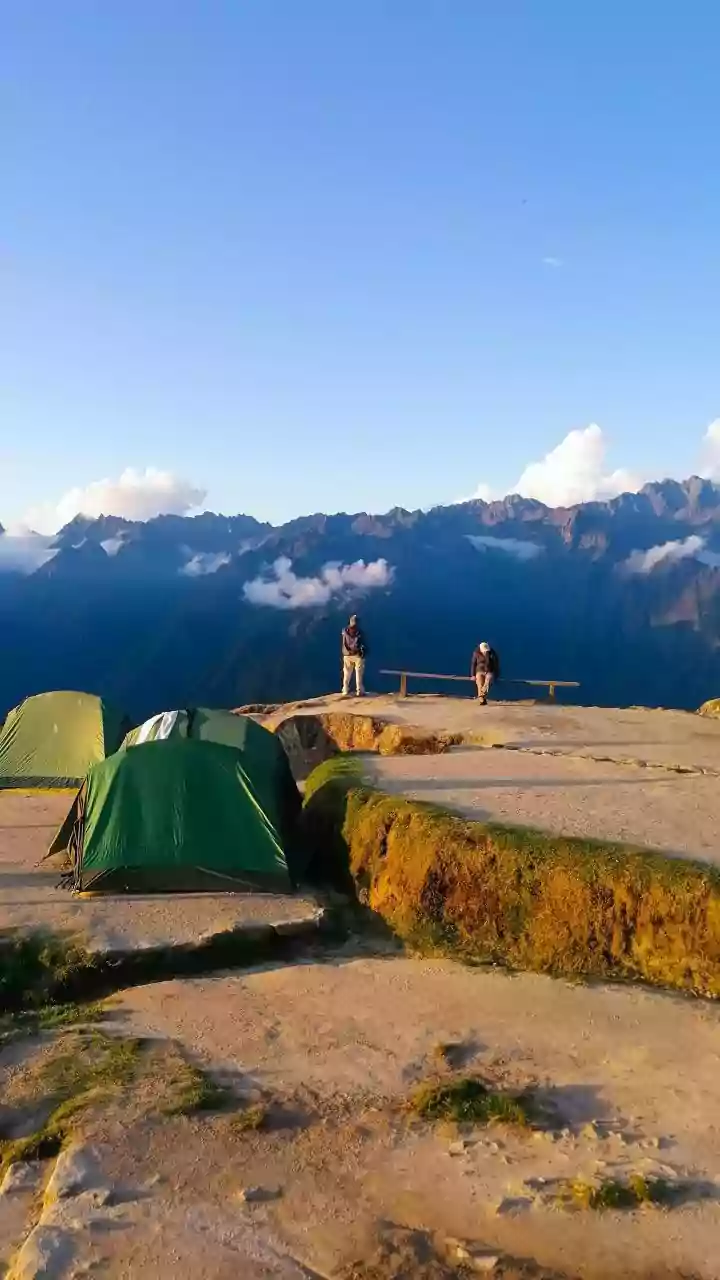
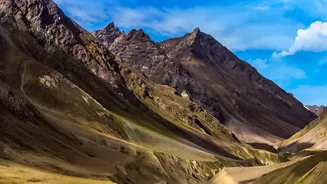
The absence of heavy rain translates to brilliant, sunny days and stunningly clear views of the stark, beautiful landscape. From July to September, daytime temperatures in Leh are comfortably warm, typically ranging from 20°C to 30°C. This pleasant weather is perfect for sightseeing and outdoor activities without the humidity or interruptions common elsewhere during this season. Photographers will find the light particularly dramatic, with deep blue skies contrasting against the arid mountains and occasional cloud-play creating breathtaking scenes. Evenings remain cool, making for comfortable nights whether you are staying in a hotel in Leh or a camp near Pangong Lake.
Adventure Corridors Are Wide Open
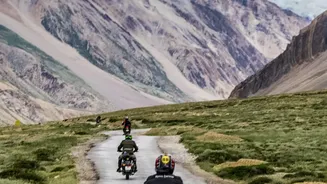
For many, the journey to Ladakh is as important as the destination itself. The monsoon months are prime time for road trippers, as the crucial arterial routes—the Manali-Leh and Srinagar-Leh highways—are reliably open. This period is arguably the best for accessing the region's remote wonders, from the high passes like Khardung La to the pristine lakes of Pangong Tso and Tso Moriri. Activities that are often hindered by rain elsewhere, such as mountain biking and river rafting in the Indus or Zanskar rivers, are in full swing in Ladakh. The stable weather conditions make it the peak season for trekking and exploring valleys that are inaccessible during the harsh winter.
A Calendar of Colourful Festivals
Beyond the landscape, Ladakh's cultural life is vibrant during the summer and monsoon months. This period hosts some of the region's most important and spectacular monastic festivals. These events, known as 'tsechus', are a riot of colour, music, and ancient tradition. Masked dances performed by monks, known as 'chams', depict tales of good triumphing over evil and are a mesmerising sight for visitors. Major festivals like those at Hemis, Thiksey, and Phyang monasteries often take place between June and September, offering a unique opportunity to witness the rich spiritual heritage of Tibetan Buddhism. Checking the festival calendar before your trip can add an unforgettable cultural dimension to your adventure.
Lush Valleys and Stark Contrasts
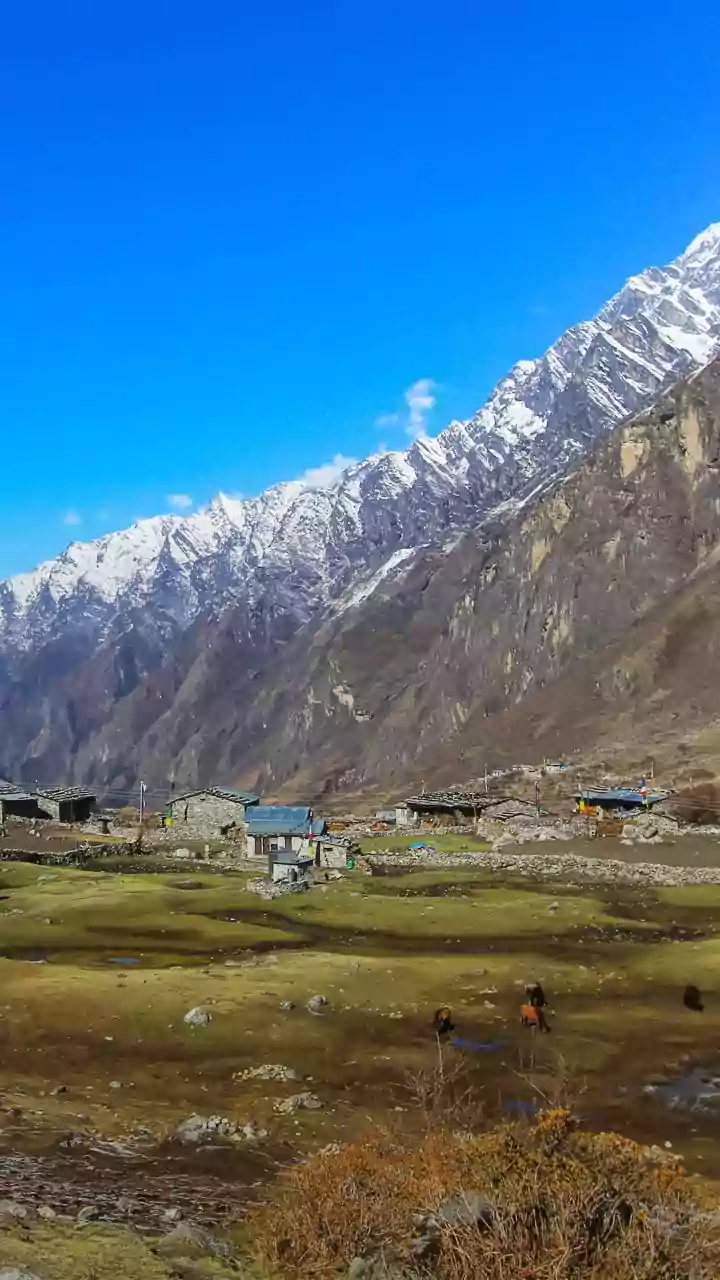
While Ladakh is a desert, the limited moisture it does receive during this time works magic in its valleys. Areas like the Nubra Valley transform, with patches of surprising greenery and blooming wildflowers appearing along riverbanks, creating a stunning contrast against the barren mountains. This hint of green adds a unique texture to the landscape that is absent at other times of the year. It’s the perfect time to visit places like Hunder to see the famous double-humped Bactrian camels against a backdrop of sand dunes and snow-capped peaks.
A Note on Preparation
While the weather is generally favourable, a trip to Ladakh requires smart planning. The high altitude (Leh is at 3,500 metres) means acclimatisation is crucial to avoid altitude sickness. Plan to rest for at least a day or two upon arrival before undertaking strenuous activities. While days are warm, temperatures can drop significantly at night, especially at higher altitudes near lakes like Pangong and Tso Moriri, so packing layers is essential. The sun's rays are also very intense at this altitude, making sunscreen, sunglasses, and a hat non-negotiable. Though the main highways are open, localised landslides can cause temporary blockages, so it's always wise to build some flexibility into your itinerary.