



The Monsoon Challenge: Why Vegetables Spoil Faster
The primary culprit during the rainy season is moisture. High humidity creates the perfect breeding ground for mould, bacteria, and fungi, which accelerate spoilage. Fresh vegetables are living tissues that continue to 'breathe' after being harvested,
releasing moisture. When trapped in a humid environment, this process speeds up decay, turning crisp produce into a soggy mess before you get a chance to use it.
Shop Smart, Not in Bulk
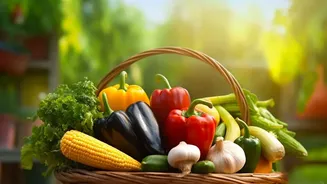
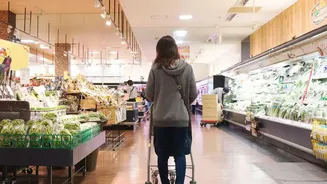
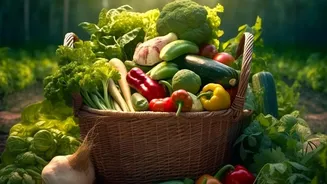
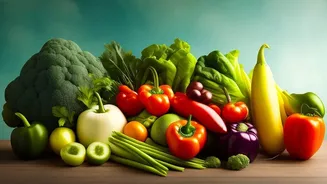
Resist the temptation to buy vegetables for the entire week. During the monsoon, it’s wiser to shop for smaller quantities more frequently. When at the market, be extra vigilant. Inspect produce carefully, avoiding anything with blemishes, cuts, or soft spots. Opt for seasonal monsoon vegetables like bottle gourd (dudhi), bitter gourd (karela), various gourds (tori, tindora), and cluster beans (gawaar). These are not only at their freshest but also better adapted to the climate.
The Crucial Prep Step: Wash and Dry Thoroughly
While it's essential to clean produce, timing is everything. A common mistake is washing vegetables and storing them while still damp. Moisture is the enemy. It's best to wash most vegetables just before you plan to cook them. If you must wash them beforehand, especially leafy greens that harbour dirt and insects, drying them completely is non-negotiable. Use a salad spinner or pat them dry with a clean kitchen towel until no moisture remains. For root vegetables, scrub them under running water and dry them thoroughly before storage.
Mastering Monsoon Storage Techniques
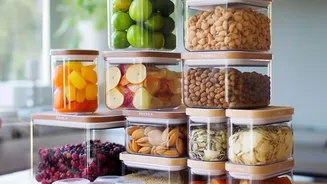
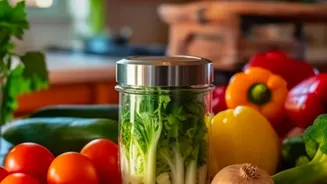
Proper storage can dramatically extend the life of your vegetables. Don't just toss them in the fridge in the plastic bags they came in. These bags trap moisture and ethylene gas, speeding up spoilage. For leafy greens like spinach and coriander, trim the roots, wrap them loosely in paper towels to absorb excess moisture, and then place them in a perforated or cloth bag in the refrigerator's crisper drawer. Root vegetables like potatoes and onions should not be refrigerated; store them in a cool, dark, and dry place with good ventilation, away from each other. Hardy vegetables can be stored in airtight containers, sometimes with a paper towel inside to absorb any condensation.
Clean Your Fridge and Separate Your Produce
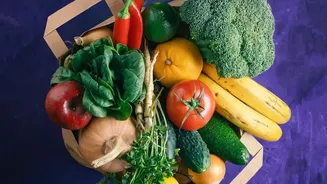
A clean fridge is your first line of defence. Lingering bacteria can accelerate spoilage, so it's especially important to wipe down shelves and drawers during the monsoon. Also, be mindful of what you store together. Fruits like apples and bananas, and vegetables like tomatoes, release ethylene gas, a natural ripening agent that can cause nearby greens and other sensitive produce to spoil faster. Keep these items separate from your other vegetables to prolong freshness.
Use It Before You Lose It
Adopt a "first in, first out" policy with your produce. Keep older vegetables at the front of your fridge as a visual reminder to use them first. If you notice something is starting to wilt, don't wait for it to go bad. Turn wilting greens into pesto or add them to dals and soups. Soft tomatoes can be cooked down into a sauce. Vegetables that are on the verge can also be blanched and frozen for later use, a great way to preserve them for weeks.