


A Revolution in Taste
Not long ago, the pinnacle of chocolate indulgence for many Indians was a bar purchased at a duty-free shop. That perception is rapidly changing as a new wave of domestic, bean-to-bar chocolate makers gains prominence. This movement champions single-origin
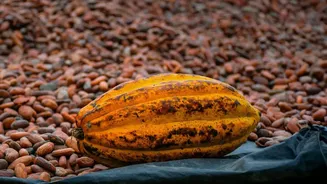
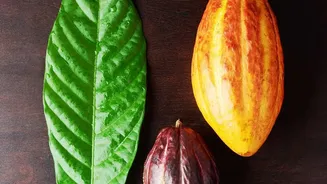
chocolate, meaning the cocoa beans are sourced from a specific region, estate, or even a single farm. Unlike blended chocolates, which are designed for a consistent, uniform taste, single-origin bars are all about expressing character and a sense of place. Urban consumers are increasingly seeking this authenticity, reading labels, and appreciating the nuances that Indian-grown cacao can offer.
The Unique Terroir of South India
Much like wine or coffee, chocolate has terroir—the unique environmental factors like soil, climate, and surrounding vegetation that influence its flavour. South India's cacao-growing regions, primarily in Kerala, Tamil Nadu, and Karnataka, offer a distinctive taste profile that sets them apart. Cacao from the Idukki district in Kerala, for instance, is known for its spicy and fruity notes, a result of being grown in a region famous for fragrant spices. The beans benefit from the monsoons and are often intercropped with coconut, banana, and nutmeg, which can subtly influence their flavour profile. This results in chocolate with complex notes of fruit, spice, and even nuts, a world away from the often one-dimensional sweetness of mass-market imported bars.
The Craft of Bean-to-Bar Production
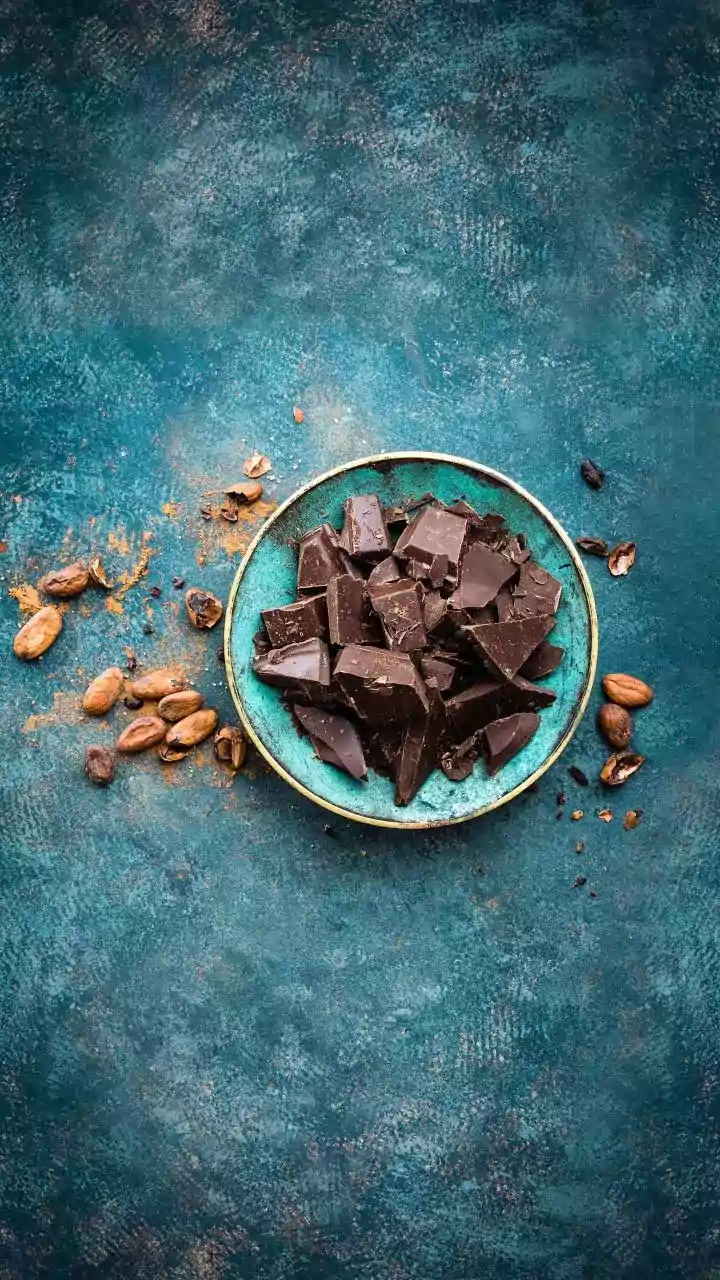
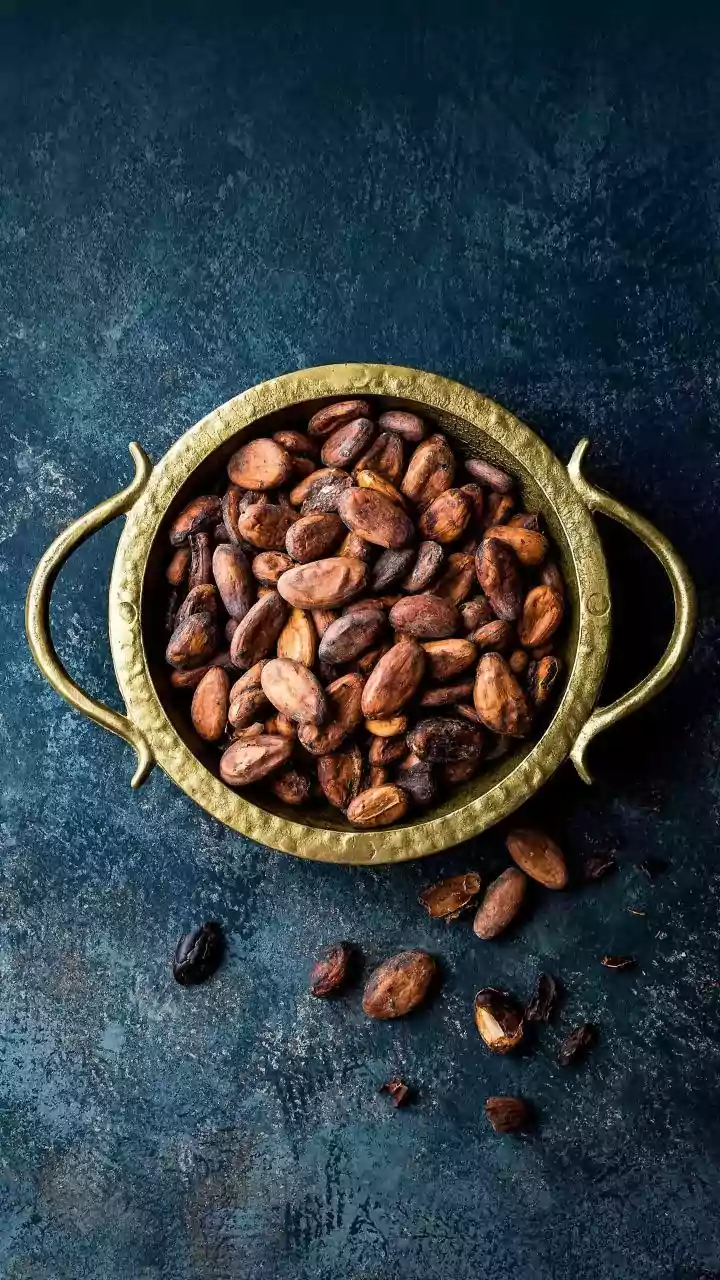
The preference for Indian single-origin chocolate is also a vote for craftsmanship. A growing number of artisanal producers, such as Manam, Soklet, and Mason & Co, control the entire chocolate-making process, from sourcing the beans to roasting, grinding, and tempering the final bar. This bean-to-bar approach allows for meticulous quality control at every step. Chocolatiers can fine-tune the roasting process to highlight the specific flavour notes of a particular harvest. In contrast, many large international brands produce chocolate on an industrial scale, sometimes using vegetable fats instead of pure cocoa butter and prioritizing shelf-life over flavour complexity. Indian craft makers focus on purity, often using just cacao beans, unrefined sugar, and natural cocoa butter.
Freshness, Ethics, and Traceability
A shorter supply chain is another significant advantage. Locally produced chocolate reaches consumers much faster than imported varieties, resulting in a fresher product. More importantly, the single-origin model promotes transparency and ethical sourcing. Many Indian bean-to-bar brands work directly with farmers or cooperatives, ensuring they receive fair prices for their high-quality beans. This direct trade relationship empowers local farming communities and encourages sustainable agricultural practices. For consumers, it offers a clear line of sight to where their food comes from, turning a simple purchase into a story of origin and authenticity that mass-produced imports can rarely match.