
The Exam That Defines a Nation
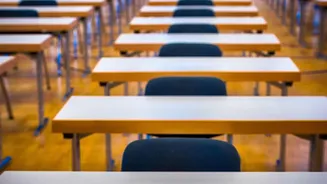
The College Scholastic Ability Test, or 'Suneung' as it's known, is an eight-hour academic marathon that students across South Korea spend their entire school lives preparing for. Held annually on the third Thursday of November, this single test is the primary
factor for university admissions. It covers multiple subjects including Korean, mathematics, English, and Korean history, and is notoriously difficult. For many, the results don't just determine which university they can attend; they are seen as a gateway to a prestigious career, social standing, and even future marriage prospects. The pressure is so immense that the day is a focal point for the entire country.
Operation: Absolute Silence
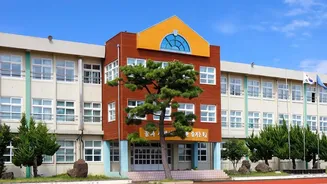
The flight restrictions are the most dramatic, but they are just one piece of a nationwide effort to eliminate distractions. On November 19 this year, the no-fly zone was active from 1:05 p.m. to 1:40 p.m. to coincide with the English listening comprehension section of the exam. During this window, 130 flights had their schedules adjusted. Planes already in the air were required to maintain an altitude of at least 3 kilometers to minimize noise. But the measures extend to the ground as well. Government offices and the stock market opened an hour later to clear traffic for students. Police cars and motorcycles were on standby to provide escorts for any students running late, ensuring they reached one of the 1,312 test centers on time. Even trains were ordered to slow down and refrain from using their horns when passing near test sites.
A System Under Intense Pressure
The Suneung is considered a cornerstone of meritocracy in South Korea—a fair system where everyone takes the same test at the same time. However, this intense focus on a single exam has a significant downside. The pressure on students is a major national concern, contributing to high rates of anxiety, depression, and burnout among young people. The system also fuels a massive private tutoring industry, known as 'hagwons', where families invest heavily to give their children an edge. This year, concerns reached new heights due to a recent scandal where the top scorer on a national tax accountant exam confessed to using AI and a miniature camera to cheat. In response, authorities implemented unprecedented anti-cheating measures for the Suneung, including deploying thousands of extra proctors, inspecting eyeglasses, and even placing stickers over students' clothing buttons to prevent hidden cameras.
Fairness in the Age of AI
The AI cheating scandal forced a difficult conversation about the Suneung's vulnerability. For the 2026 exam, officials shut down public Wi-Fi near test centers and sent out nationwide emergency alerts to help detect any phones students had failed to turn in. While these last-minute measures were intended to protect the exam's integrity, they also drew criticism for causing extra stress. Some students reportedly switched to contact lenses or removed their buttons to avoid scrutiny. The incident has sparked a deeper debate about whether the decades-old, multiple-choice format is still fit for purpose in an era of advanced technology. Experts and officials are now grappling with how to modernize the exam system to ensure fairness remains at its core.