


The Fading Buzz of Instant Coffee
For many Indian households, the familiar aroma of instant coffee has long been the default morning ritual. Brands like Nescafé and Bru dominated kitchen shelves, making coffee an accessible, everyday habit across a nation traditionally devoted to tea.
This convenience, however, is losing its grip on younger, urban consumers. Millennials and Gen Z, armed with rising disposable incomes and global exposure, are seeking more from their cup. The one-size-fits-all flavour of instant coffee is no longer enough for a generation that values authenticity, craftsmanship, and a narrative behind what they consume. This demographic is less interested in a quick caffeine fix and more invested in coffee as a lifestyle statement and a sensory experience.
The Allure of the Single-Origin Bean
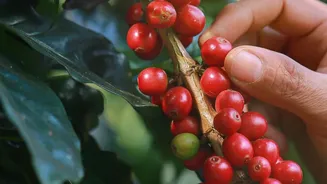
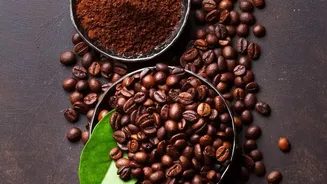
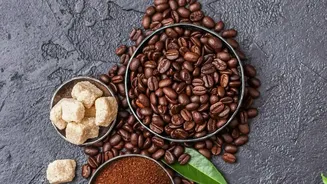
Enter the world of specialty coffee. Unlike instant coffee or commercial blends, which mix beans from various places to create a uniform taste, single-origin coffee comes from a specific geographical location—sometimes a single farm or estate. This focus on 'terroir' means that the soil, altitude, and climate of a region are expressed in the final flavour, much like in wine. For young Indian consumers, this traceability is a powerful draw. They want to know the story of their coffee: where it was grown, how it was processed, and what makes it unique. Brands like Blue Tokai, which pioneered the farm-to-cup movement in India, have been instrumental in educating consumers and making high-quality Indian coffee accessible.
South India: The Heart of the Movement
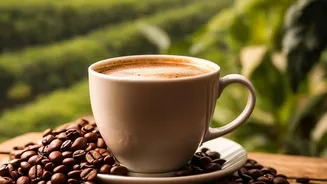
While India is a major coffee producer, for years the best beans were exported. Now, the focus is shifting inward, particularly to the coffee-growing belt of South India. Regions in Karnataka, Kerala, Tamil Nadu, and Andhra Pradesh are becoming household names among enthusiasts. Chikmagalur in Karnataka, often called the birthplace of Indian coffee, is celebrated for its balanced Arabica beans with floral and citrus notes. Coorg, also in Karnataka, produces full-bodied coffees with chocolate and spice undertones, perfect for richer brews. Further afield, the Araku Valley in Andhra Pradesh has gained international acclaim for its unique, organic Arabica grown by tribal communities, which offers a bright, fruity acidity. These distinct flavour profiles offer a world of discovery compared to the monolithic taste of instant blends.
More Than a Beverage, It's a Culture
This shift is about more than just taste; it's about the culture surrounding it. The rapid growth of cafés has transformed them into 'third places' between home and work, where young people socialize, work, and create. The aesthetics of coffee—from latte art to minimalist café interiors—have made it a staple of social media, turning a daily drink into a form of self-expression. The trend extends to home brewing, with enthusiasts investing in equipment like the French press, AeroPress, or pour-over kits to replicate the café experience. This hands-on approach reflects a deeper appreciation for the craft and a desire for personalized, high-quality experiences.