
The Desert State in a New Light
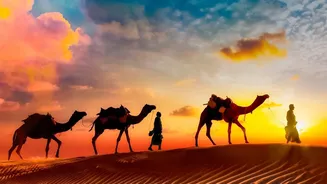
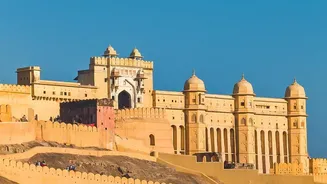
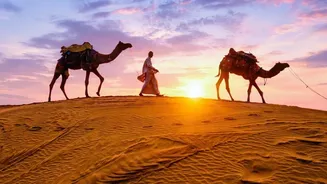
For generations, Rajasthan has been synonymous with winter tourism, a time when the desert sun is mild enough for exploring its magnificent palaces and forts. The summer is famously harsh, and the monsoon has traditionally been considered an off-season.
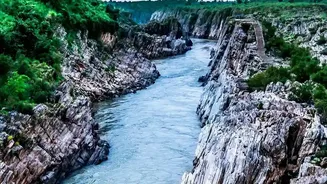
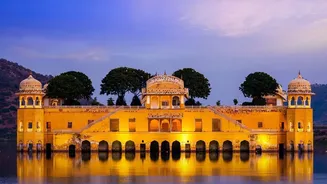
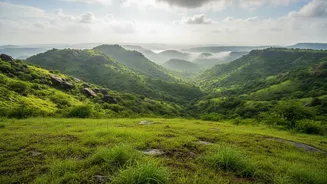
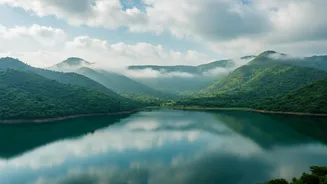
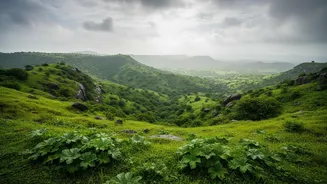
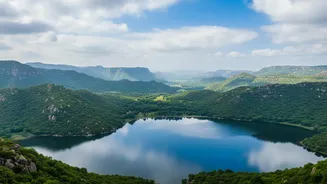
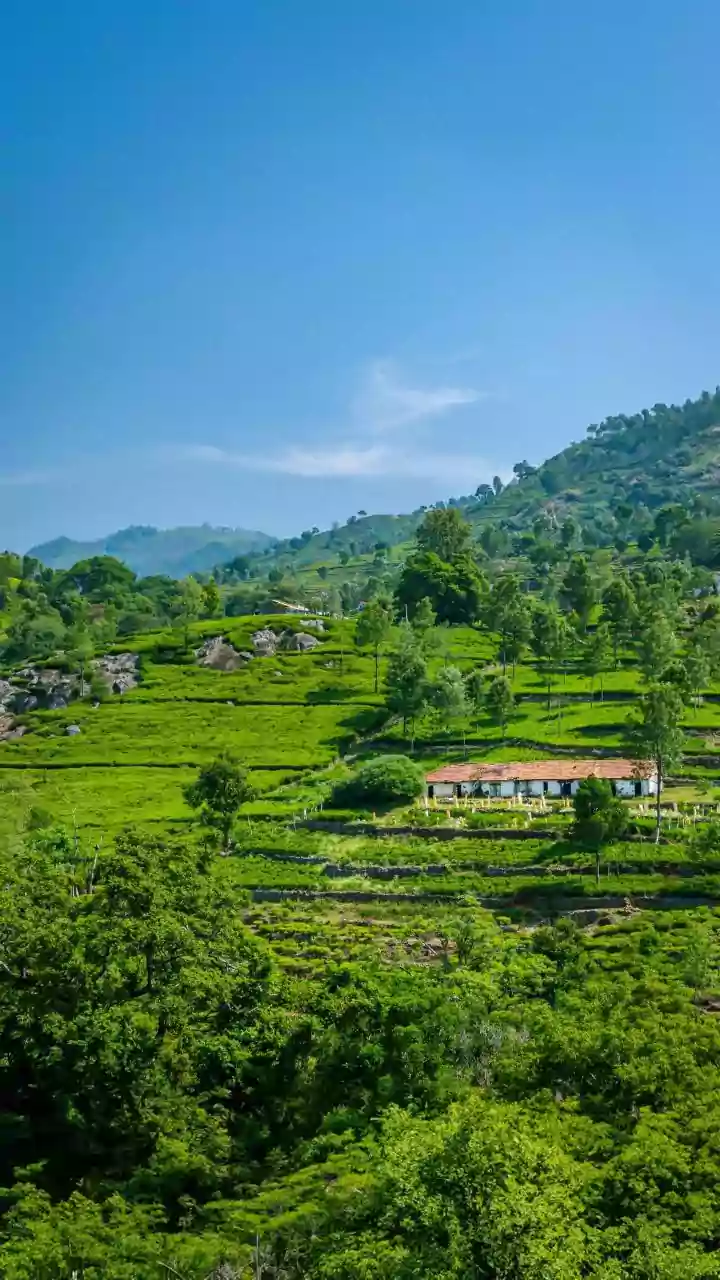
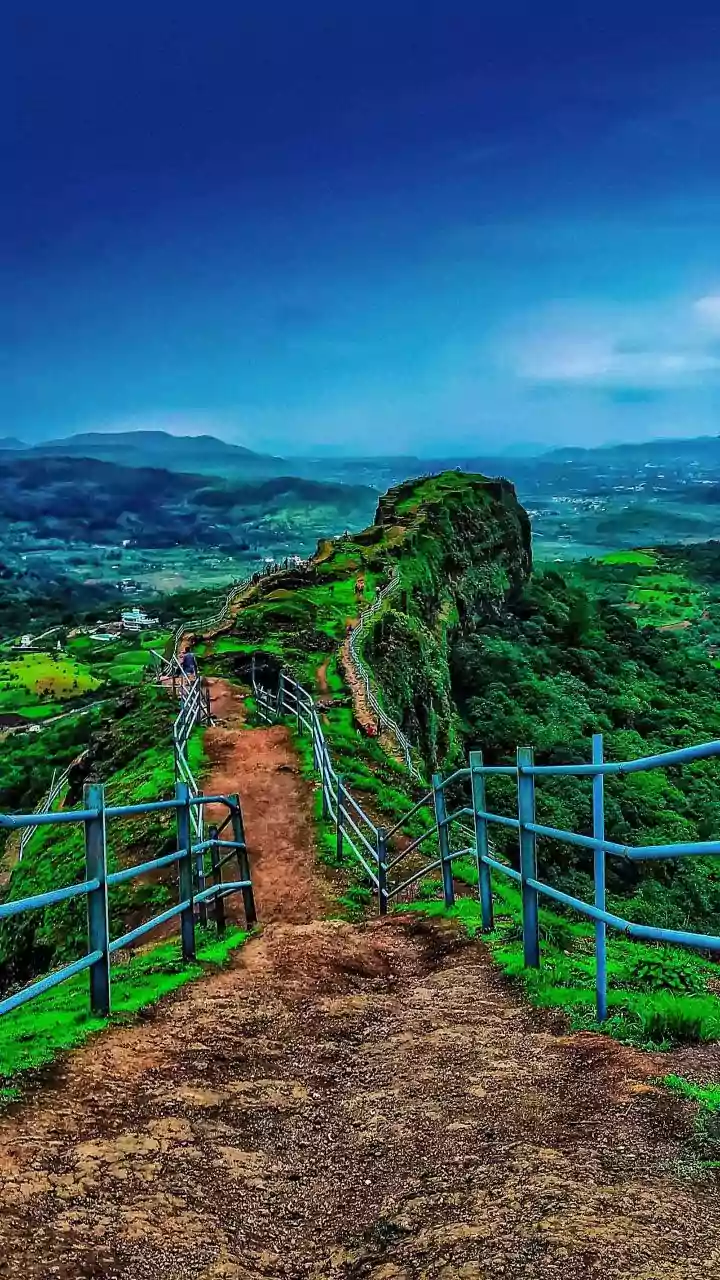
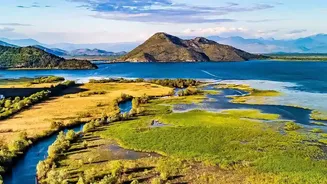
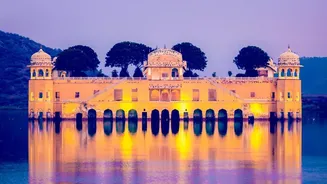
But that perception is rapidly changing. This year, travel trends show a significant uptick in tourists flocking to the state between July and September. The reason is simple: the rain transforms the arid landscape into an emerald spectacle. The Aravalli Hills, which form the state's backbone, shed their dusty brown coat for a vibrant green one. Lakes like Udaipur's Pichola and Fateh Sagar, often low by summer's end, swell to their full, shimmering capacity, creating postcard-perfect reflections of the surrounding heritage properties. This seasonal rebirth offers a completely different, cooler, and more serene experience of a state famous for its heat.
What's Driving the Green Rush?
Several factors are fuelling this monsoon migration. After years of being marketed primarily as a heritage and desert destination, travellers are now discovering Rajasthan's “green tourism” potential through social media and word-of-mouth. The appeal is amplified by a desire for off-season travel, which often means fewer crowds and better deals on flights and luxury stays. Destinations like Udaipur, Mount Abu, and Kumbhalgarh are becoming particularly popular. Improved infrastructure, including new expressways and better air connectivity, has also made quick weekend getaways more feasible for domestic tourists from nearby cities. Furthermore, there appears to be a broader shift in traveller preferences towards slower, more immersive journeys focused on nature, a trend that the verdant Rajasthani monsoon perfectly accommodates.
Beyond Palaces: A New Itinerary Emerges
The monsoon surge is not just about seeing old sights in new weather; it's about discovering entirely new attractions. The focus is shifting from the architectural marvels of Jaipur and Jodhpur to the natural wonders of the south. In Udaipur, the aptly named Sajjangarh Monsoon Palace, perched on a hill, offers panoramic views of the cloud-covered city and its full lakes. The region around it, including the picturesque Gogunda and Rayta Hills, comes alive with seasonal waterfalls. Tourists are venturing to places like Bundi, celebrated for its stepwells and misty green hills, and Banswara, known as the 'City of a Hundred Islands', which becomes a waterside paradise. Even wildlife sanctuaries that remain at least partially open, like Sariska and Mount Abu Wildlife Sanctuary, offer a unique experience as the forests become lush and vibrant.
An Opportunity for Sustainable Growth
This shift presents a massive opportunity for Rajasthan to reposition itself as a 365-day destination, breaking its reliance on the peak winter season. The state's tourism department has already been actively promoting its diverse offerings, including heritage, wildlife, and wellness tourism. The rise of monsoon travel aligns perfectly with the growing interest in eco-tourism, which emphasizes responsible travel to natural areas that conserves the environment and supports local communities. However, this new wave of tourism also raises critical questions. The surge in visitors to ecologically sensitive areas in the Aravallis puts pressure on local infrastructure and natural resources. Without proper planning, the very beauty that draws tourists could be threatened. The challenge lies in managing this growth sustainably.
The Questions Raised by the Rain
The key question is how to balance promotion with preservation. As destinations like Mount Abu, Kumbhalgarh, and various wildlife sanctuaries see more foot traffic, the risk of overcrowding and environmental degradation increases. It calls for a robust eco-tourism framework, an area where Rajasthan has already developed policies. This framework would need to be strictly implemented, focusing on low-impact activities, regulating visitor numbers, and ensuring that revenue generated from tourism is channelled back into conservation and community development. The success of monsoon tourism will ultimately depend on whether the state can protect the natural assets that are now, for the first time, taking centre stage. The state must ask itself if it is prepared to manage the impact of becoming a premier nature destination, not just a desert one.