




From Itinerary Item to Main Event
For decades, travel in India was often a predictable affair: pick a destination, see the sights, and maybe, if the timing was right, catch a local festival. Today, that script has been flipped. A recent report revealed that 67% of Indian travellers are
now planning trips specifically around heritage, festivals, and food. This marks a significant shift towards what the industry calls 'culture-led travel'. It’s no longer about stumbling upon a celebration; it’s about making the celebration the very reason for the journey. This trend is powered by a desire for immersive experiences over passive sightseeing. According to a Skyscanner report, 72% of Indian travellers would consider planning a trip just to attend a major cultural or religious festival. This has turned festival dates into powerful drivers for the tourism economy, influencing when people travel, what they book, and how long they stay.
Why Festivals Are the New Focus
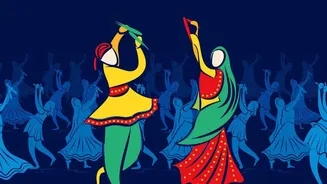
What’s behind this surge? Authenticity. In an increasingly digital world, festivals offer a tangible connection to tradition, community, and shared joy. They are 'once-in-a-year experiences' that can't be replicated. Whether it’s the spiritual fervour of Durga Puja in Kolkata, the high-energy Garba during Navratri in Gujarat, or the family-centric celebrations of Ganesh Chaturthi in Maharashtra, these events are powerful motivators. Durga Puja leads the pack, with 58% of travellers saying they would travel to attend it. This trend isn't limited to religious festivals. Music festivals like Ziro in Arunachal Pradesh and food-centric events are also becoming major travel draws, especially for Gen Z. One in three Gen Z travellers now prefers a music festival getaway to a conventional holiday. The allure is amplified by social media, where vibrant images and videos create a sense of 'FOMO' (fear of missing out), encouraging more people to experience these events firsthand.
Beyond the Big Names
While iconic festivals like Diwali and Holi have always attracted interest, travellers are now exploring a wider array of regional celebrations. Travel companies report a rising demand for trips planned around events like Onam in Kerala, Pongal in Tamil Nadu, and the Mysore Dasara in Karnataka. This curiosity is pushing tourism beyond major metro areas and into Tier 2 and Tier 3 towns, as one in four travellers heads to smaller cities for unique cultural experiences. The government has also taken note, with the Ministry of Tourism's 'Utsav' portal acting as a digital showcase for all of India's events and festivals to promote tourism worldwide. Initiatives like 'Dekho Apna Desh' further encourage domestic travellers to explore the country's diverse cultural offerings, from the Rann Utsav in Gujarat to the Hornbill Festival in Nagaland.
Smarter Planning for Immersive Trips
This shift to festival-centric travel has also changed planning habits. Travellers are becoming more intentional, with 40% starting their research three to six months in advance. The main consideration for booking is no longer just price, but availability during key festival dates. In response, the travel industry is adapting. Tour operators are creating 'travel for a reason' calendars, curating monthly experiences around specific festivals. Hotels and airlines now see festival periods as predictable demand cycles, influencing everything from pricing to staffing. The rise of experiential travel means people are also staying longer; over half of those travelling for a music concert, for instance, extend their stay to explore the destination. This provides a significant economic boost and helps disperse tourism benefits more widely.