




The Foundation: Your Waterproof Fortress
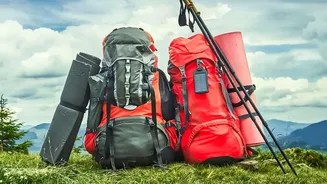
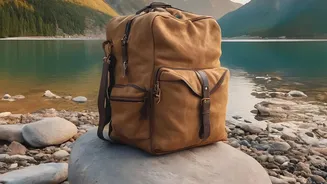
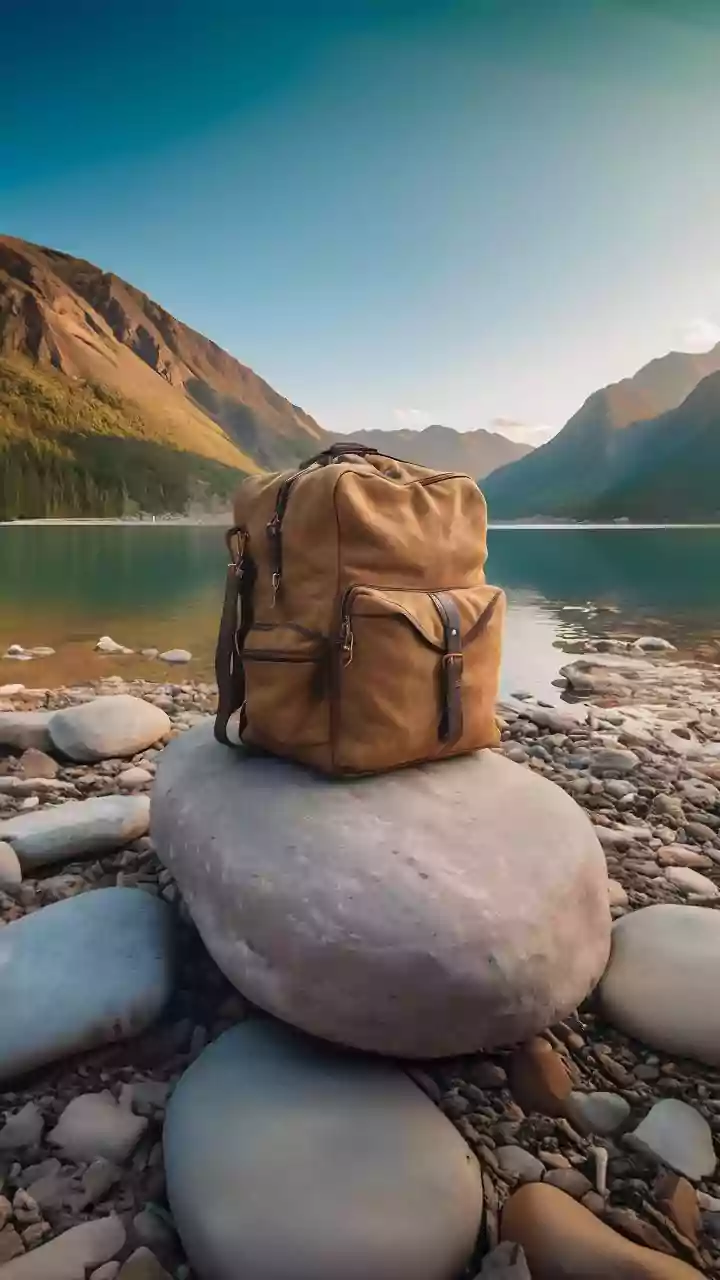
Your journey begins with the right backpack. Don't just pick any bag; you need a fortress for your gear. Look for a backpack that is either made of water-resistant material or comes with a dedicated rain cover. A capacity of 30-40 litres is often the sweet
spot for weekend trips, offering enough space without becoming too heavy. For an extra layer of defence, line the inside of your pack with a large, heavy-duty plastic bag before you start packing. This simple trick creates an internal waterproof barrier, ensuring that even if the outer layer gets damp, your clothes and essentials remain perfectly dry.
Clothing: Think Synthetic and Spares
During the monsoon, cotton is your enemy. It absorbs moisture, becomes incredibly heavy, and takes forever to dry in the humid air, leading to a musty smell. Instead, pack lightweight, synthetic clothes like quick-dry t-shirts and trousers. These materials wick moisture away and will actually dry overnight in your hotel room. Always pack at least one complete extra set of clothes sealed in a plastic or zip-lock bag. This is your emergency dry set for when you get caught in a downpour and need to get warm and comfortable quickly. A lightweight poncho is also a great addition, as it can cover both you and your daypack.
Footwear: Grip is Non-Negotiable
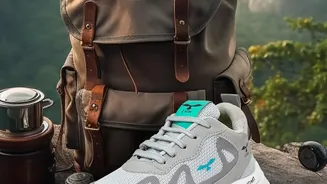
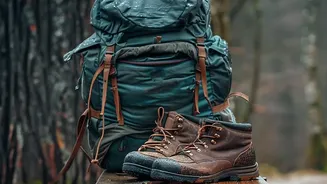
Monsoon trails in the Ghats are notoriously slippery, with wet rocks, mud, and slick leaves. Your choice of footwear can make or break your trip. Sturdy trekking shoes with a deep, aggressive grip are essential for safety and comfort. Avoid casual sneakers, leather shoes, or anything without proper traction. While waterproof shoes sound ideal, they can sometimes trap water that gets in from the top, leaving your feet soaked. A better strategy might be well-draining trekking sandals or shoes paired with waterproof socks. Also, carry a pair of lightweight flip-flops or sandals for use at your accommodation, giving your main shoes a chance to air out.
Health and Safety: The Monsoon First-Aid Kit
Your regular first-aid kit needs a few monsoon-specific upgrades. Leeches are a common reality in the wet forests of the Western Ghats. Carry a small bottle of salt, a lighter, or a sanitizer to help remove them safely if they latch on. Antiseptic liquid, band-aids for minor cuts, and insect repellent are also crucial, as the damp conditions can make small wounds more prone to infection. Pack basic medications for common ailments like colds, fever, and stomach upsets. Finally, include a few packets of Oral Rehydration Salts (ORS) to combat dehydration, which can still happen despite the cool weather.
Gadget Protection: Keep Electronics Safe and Dry
Water is the enemy of electronics, and the monsoon's pervasive dampness requires a robust protection strategy. The simplest method is to use multiple layers of zip-lock bags for your phone, power bank, and camera. For absolute peace of mind, consider investing in a small dry bag, which provides a completely watertight seal. Remember that even when it’s not raining, the high humidity can cause condensation. Tossing a few silica gel packets into your electronics bag can help absorb this excess moisture. Keeping your phone in airplane mode when not in use will also help conserve battery, which can drain faster in the damp, cool weather.