


The Building Blocks of Protein
First, let's break down what ‘complete protein’ means. Proteins are made up of chemical compounds called amino acids. Our bodies can produce some of these, but there are nine that we must get from food, known as essential amino acids. Animal products
like meat, eggs, and dairy contain all nine in the right proportions, making them 'complete' proteins. Many plant foods, however, are 'incomplete', meaning they are low in one or more of these essential amino acids. This doesn't make them inferior; it just means we need to eat a variety of them to get the full set. Think of it like a puzzle where different pieces come from different foods to create a complete picture.
The Perfect Pair: Grains and Legumes
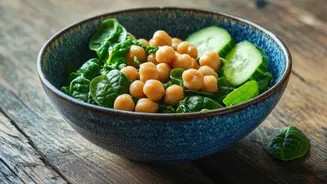
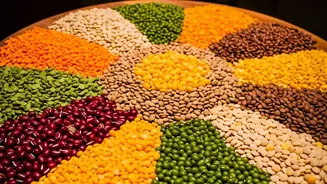
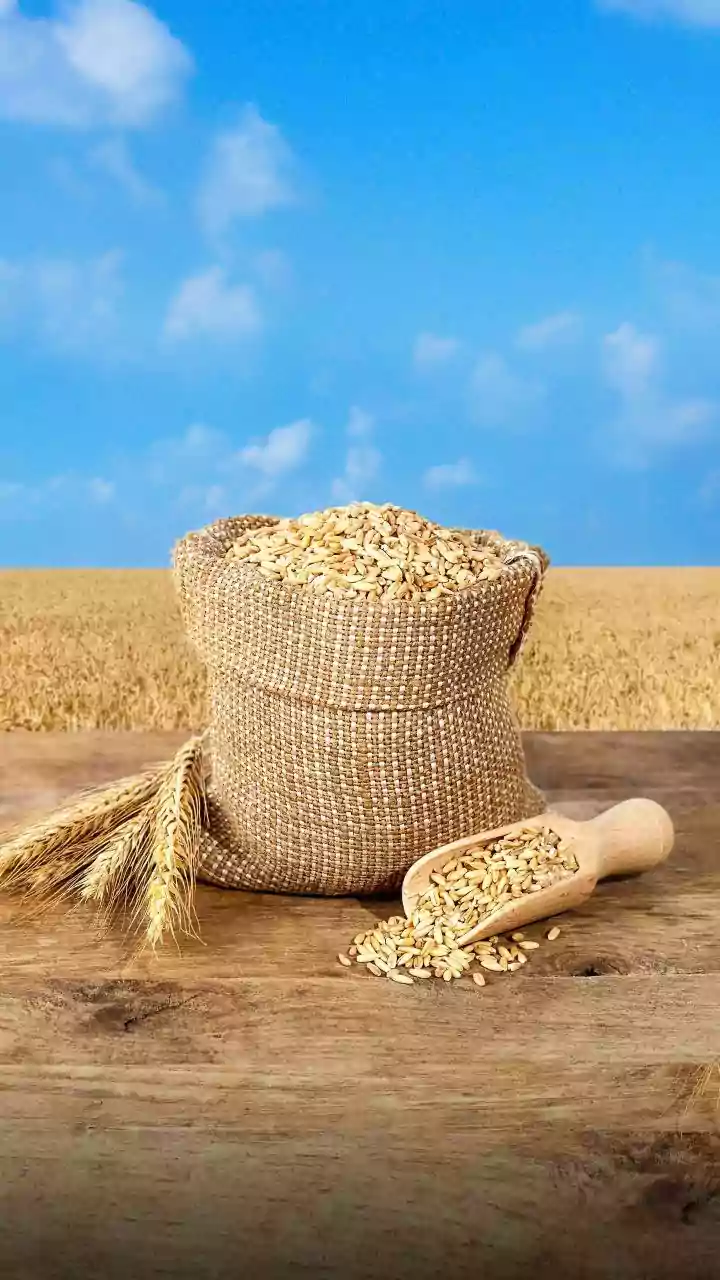
This is where the magic of pairing whole grains with legumes comes in. These two food groups are a nutritional dream team because they perfectly complement each other’s amino acid profiles. Legumes—a family that includes dals, beans, chickpeas, and lentils—are generally rich in an essential amino acid called lysine but low in another called methionine. Whole grains—like rice, wheat, bajra, and oats—are the opposite; they have plenty of methionine but are low in lysine. When you eat them together, they fill in each other’s nutritional gaps, effectively creating a complete protein source for your body to use for everything from muscle repair to immune function.
Traditional Wisdom We Already Follow
The best part is that this isn't a new or complicated nutritional hack. It's a principle embedded in traditional cuisines across India and the world. Every time you enjoy a comforting bowl of dal with rice, you are practising protein combining. The same goes for rajma with roti, chole with bhature, or a simple khichdi. These classic meals aren’t just delicious; they are nutritionally brilliant. Other global examples include beans with corn tortillas in Mexico or hummus (made from chickpeas) with pita bread (wheat) in the Middle East. These pairings evolved over centuries not just for their taste and affordability, but for their ability to provide sustained energy and complete nourishment from plants.
Your Mix-and-Match Guide
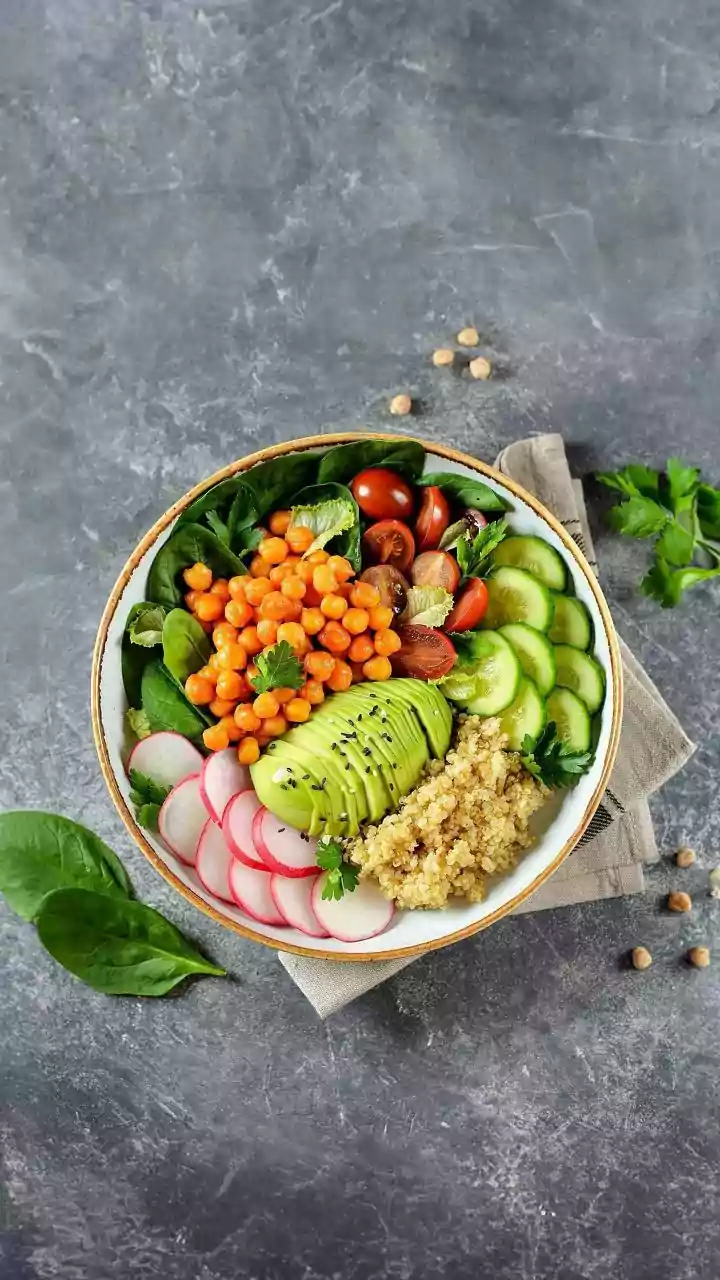
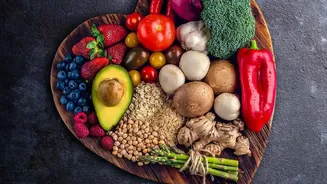
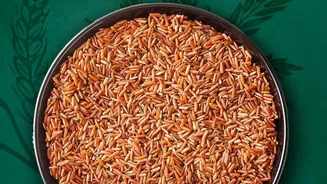
Building complete protein meals is easy when you know the key players. You can mix and match any of the following to create powerful, protein-rich combinations. Common Legumes to include are all types of dal (toor, moong, masoor, chana), kidney beans (rajma), chickpeas (chana), black-eyed peas (lobia), and lentils. Excellent Whole Grains to pair them with include brown rice, whole wheat (in rotis, bread, or pasta), millets (like bajra, jowar, and ragi), oats, barley, and quinoa. Even some seeds and nuts can help round out the amino acid profile of a meal. While the grain-legume pairing is the most powerful, a varied diet is always the best strategy.
Do They Need to Be in the Same Meal?
Here’s some good news that simplifies things even further. An older theory, popularised in the 1970s, suggested that you needed to eat complementary proteins together in the same meal for your body to use them properly. However, modern nutritional science has shown this is not necessary. Our bodies are smart and can store a pool of amino acids throughout the day. This means that as long as you eat a variety of plant foods over the course of the day—for example, dal for lunch and roti for dinner—your body can pull the necessary amino acids from that pool to form complete proteins. So, there's no need to stress over meticulously planning every single plate. A balanced and varied daily diet is what truly matters.