







The High Cost of Convenience
Cloud kitchens, also known as ghost kitchens or delivery-only restaurants, were once hailed as the future of the food industry. By ditching expensive dining rooms and prime real estate, they promised a low-cost, high-efficiency model. However, the reality
has been far more challenging. The biggest hurdle is the dependence on food aggregator platforms like Zomato and Swiggy. While these apps provide access to a massive customer base, they come at a steep price. Kitchens pay commissions ranging from 18% to over 30% on every order. When you factor in the 18% GST on that commission, the total platform deduction can be crippling for a business already dealing with food, packaging, labour, and rent costs. This intense financial pressure is a key reason why an estimated 25-30% of cloud kitchens in India shut down within their first year.
A Breather from an Unexpected Source
While a major reduction in commission from the big players remains unlikely, a different kind of cost relief is emerging. This isn't one single change, but a collection of smaller shifts. The most significant is the growing awareness and slow adoption of the Open Network for Digital Commerce (ONDC). This government-backed initiative aims to create a more open e-commerce ecosystem, breaking the dominance of large platforms. For food businesses, ONDC's main draw is its drastically lower commission structure, reportedly in the range of 2-4%. This presents a massive theoretical saving compared to the 20-30% charged by traditional aggregators. While still in its early stages with lower order volumes, it represents the most significant potential shift in the cost structure for kitchens willing to experiment beyond the duopoly. It provides a 'breather' not in the form of a discount, but as an alternative path to market.
Is It a Lifeline or Just a Distraction?
For kitchen owners, the ONDC proposition is tempting but comes with trade-offs. The primary challenge is volume and discovery. Zomato and Swiggy have spent years and billions building a loyal user base and a sophisticated logistics network. A cloud kitchen switching to ONDC might save on commission but risks becoming invisible to the vast majority of online food orderers. However, the 'breather' isn't just about ONDC. A recent update to FSSAI licensing might also provide minor relief. From April 2026, revised turnover limits for different license categories mean some smaller kitchens may fall into a lower compliance bracket, saving on administrative costs. Furthermore, the introduction of perpetual FSSAI licenses eliminates renewal fees and hassles. These changes don't affect the daily cost per order, but they do reduce the overall administrative burden, offering a different kind of small respite.
The Real Path to Profitability
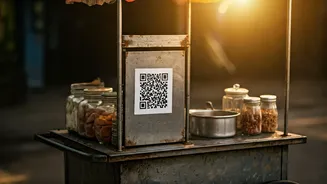
Ultimately, experts agree that long-term survival for cloud kitchens cannot depend on a single cost breather. Instead, it requires a multi-pronged strategy focused on mastering unit economics. Successful operators are not just waiting for commissions to drop; they are actively working to reduce their dependency on aggregators. This involves building direct ordering channels through websites, WhatsApp, or their own apps, where they can retain 100% of the revenue. Many also strategically inflate their menu prices on aggregator apps by 15-25% to absorb the high commission fees. Rigorous cost control, smart menu engineering to promote high-margin items, and investing in customer retention to encourage repeat, direct orders are the tactics that separate survivors from the high failure rate. The small cost breathers are welcome, but they are no substitute for sound business fundamentals.