



A World of Colour in Peril
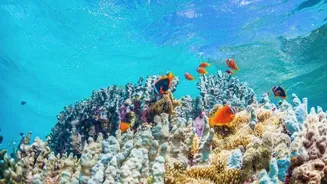
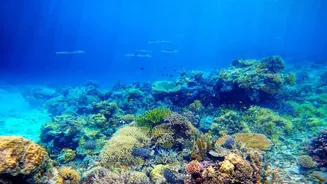
Coral reefs, the vibrant underwater cities that support a quarter of all marine life, are in a desperate race against time. Rising ocean temperatures due to climate change are triggering mass bleaching events at an alarming rate. When water gets too warm,
corals expel the symbiotic algae living in their tissues, causing them to turn white. If the heat persists, the corals starve and die, leaving behind a barren graveyard. This isn't a distant problem; it threatens crucial ecosystems, including the significant reefs in India's own waters, like those in the Andaman and Nicobar Islands and the Gulf of Kutch. The loss of these reefs has cascading effects on fisheries, coastal protection, and biodiversity.
The Old Way: A Slow and Patient Watch
For years, identifying heat-tolerant corals was a painstakingly slow process. Scientists had to rely on long-term observation, waiting for a marine heatwave to see which corals survived. This reactive approach meant watching vast sections of a reef bleach and die just to find the few that endured. Another method involved bringing corals into a lab for stress tests, where temperatures were gradually increased. While effective, these methods are difficult to scale. Given the speed of climate change, waiting years to identify resilient corals and then begin restoration efforts is a luxury the planet can no longer afford. The scientific community needed a faster, more proactive method.
The Genetic Shortcut to Resilience
The breakthrough came from the world of genomics. Scientists discovered that heat tolerance isn't just luck; it's written in the corals' DNA. They found specific genetic markers—unique sequences in a coral's genome—that are linked to a higher resistance to bleaching. Think of these markers like a tag or a barcode that signals resilience. By finding this genetic signature, researchers no longer have to wait for a bleaching event to know which corals are tough. This approach, known as assisted evolution, allows scientists to proactively screen coral populations and identify the strongest candidates for survival.
How the DNA Detective Work Unfolds
The process is a blend of fieldwork and high-tech lab analysis. Researchers take small, non-lethal tissue samples from corals on the reef. Back in the lab, they extract and sequence the DNA from these samples. Using powerful computing, they then scan the genomes for those specific, pre-identified markers associated with heat tolerance. Some projects even use rapid stress tests at sea to correlate bleaching responses with genetic data on the spot. This allows them to quickly create a map of a reef's genetic diversity and pinpoint the location of naturally resilient coral colonies without having to wait for nature to take its devastating course.
From Super Corals to Restored Reefs
Identifying these 'super corals' is only the first step. The ultimate goal is to use this knowledge to actively restore and strengthen reefs. Once identified, these resilient corals can be prioritized for protection. More importantly, they can be used in breeding programs. Scientists can collect spawn from these heat-tolerant parents or use fragments in underwater nurseries to grow new, more robust colonies. These lab-grown or nursery-raised corals, armed with superior genetics, can then be outplanted to replenish degraded reefs. This process of assisted gene flow helps spread valuable heat-resistant traits faster than would happen naturally, giving reefs a fighting chance to adapt.