





The Freedom of a Flexible Plan
Traditional meal planning can feel restrictive. You buy specific ingredients for specific recipes, and if your schedule changes or you're not in the mood for what's on the menu, food can go to waste. Resilient meal planning, however, is about building
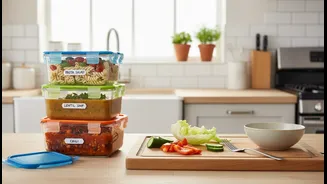
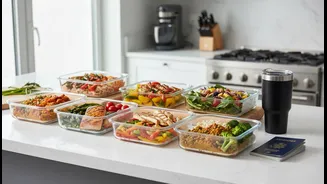
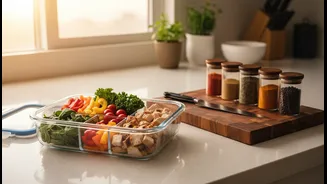
a framework, not a cage. The goal is to plan for 4-5 meals a week, leaving room for leftovers, spontaneous dinners out, or simply whipping up something easy from pantry staples. This method focuses on preparing meal components—like a batch of grains, washed greens, or a cooked protein—that can be mixed and matched, rather than creating entire pre-portioned meals. This approach reduces stress and ensures you have healthy, delicious options available even when life becomes unpredictable.
Think in Categories, Not Just Ingredients
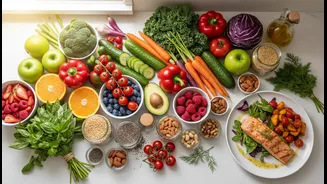
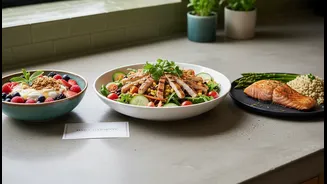
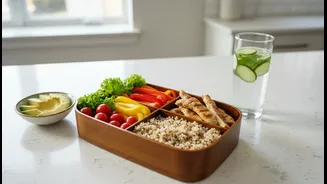
The secret to successful substitutions is to stop thinking about a specific ingredient (like chicken breast) and start thinking about its nutritional category (protein). A well-balanced plate generally includes a protein, a complex carbohydrate, and vegetables. By understanding these building blocks, you can easily swap items within each category. If a recipe calls for salmon but you have chicken, that's a perfectly acceptable protein swap. If you're out of brown rice, quinoa or whole wheat pasta can fill the carbohydrate slot. This mindset empowers you to use what you have on hand, reducing food waste and last-minute trips to the store.
Smart Protein and Carb Swaps
Swapping proteins and carbs is simple when you have a well-stocked kitchen. For protein, lean meats like chicken and turkey can often be used interchangeably. Plant-based options like lentils, chickpeas, and tofu are excellent substitutes for ground beef in dishes like pasta sauce or tacos. For carbohydrates, aim for whole grains which provide more fiber and nutrients. Brown rice, quinoa, farro, and barley are fantastic alternatives to white rice. Similarly, whole wheat pasta offers more fiber and antioxidants than its white counterpart. Even something as simple as using lettuce wraps instead of tortillas can be a great swap depending on your health goals.
Making Vegetables Work for You
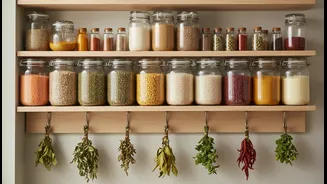
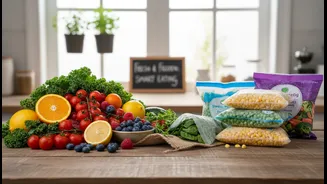
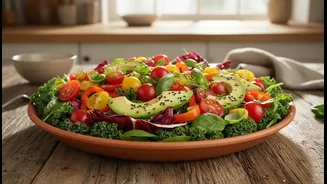
Vegetables are perhaps the most flexible category. Many can be substituted for one another, especially within the same family. Don't have broccoli for a stir-fry? Cauliflower, bell peppers, or snap peas will work just as well. When making soups or stews, don't be afraid to use frozen mixed vegetables, which are picked at peak freshness and just as nutritious. Canned tomatoes are another pantry workhorse, forming the base for countless sauces, chilis, and soups. Using fresh herbs and spices instead of salt can also dramatically change a dish's flavor profile without adding sodium.
Stocking a Resilient Pantry
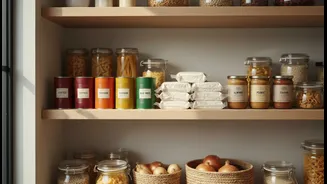
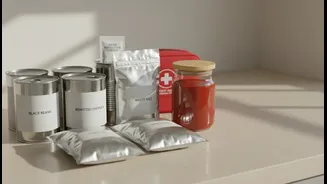
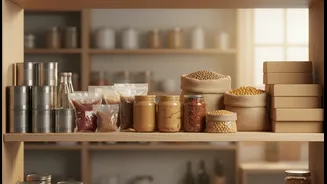
A flexible meal plan relies on a well-stocked pantry, fridge, and freezer. Having versatile staples on hand makes substitutions effortless. Key items include canned beans (black, kidney, chickpeas), lentils, and canned fish like tuna or salmon. For grains, keep a variety of rice, quinoa, and whole-grain pasta. Frozen fruits and vegetables are essential for quick smoothies and side dishes. Other useful items are long-life stocks, canned tomatoes, various oils and vinegars, and a good selection of herbs and spices. With these staples, you can pull together a nutritious meal even when your initial plan falls through.