


Your wardrobe holds treasures. Those gorgeous, heavy sarees you wore once have stories woven into their borders. Instead of letting them gather dust, give them a new life. Upcycling a rich saree border into a custom choli is sustainable and stylish.
The Beauty of Upcycling
Before
you begin, it’s worth appreciating why this is such a rewarding project. Repurposing festive wear is a conscious fashion choice. It reduces waste, gives you a high-value outfit for a fraction of the cost, and preserves the emotional attachment you have to a special saree. An old Banarasi or Kanjeevaram border carries intricate craftsmanship. Transforming it into a choli means you are not just creating a new garment; you are honouring the artistry and memories embedded within it. This approach allows you to get maximum utility from expensive festive pieces that might otherwise be worn only once.
Choosing the Perfect Border
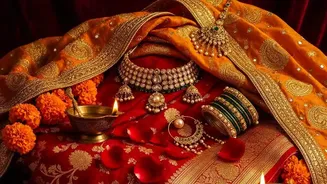
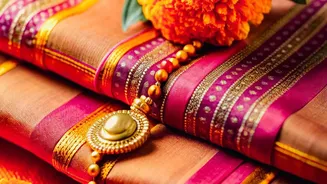
Not all borders are created equal. The success of your choli depends on selecting the right one. Look for borders that are at least four to five inches wide; this gives your tailor enough fabric to work with for various necklines and sleeve designs. Heavily embroidered, Zari, or Brocade borders from silk sarees are ideal as they have structure and a regal look. Check the condition of the border carefully. Avoid those with frayed edges or significant bead or thread loss, unless you plan to incorporate patchwork or repair it. The border will be the main feature, so ensure it’s in good shape to be the star of your new choli.
Designing Your Dream Choli
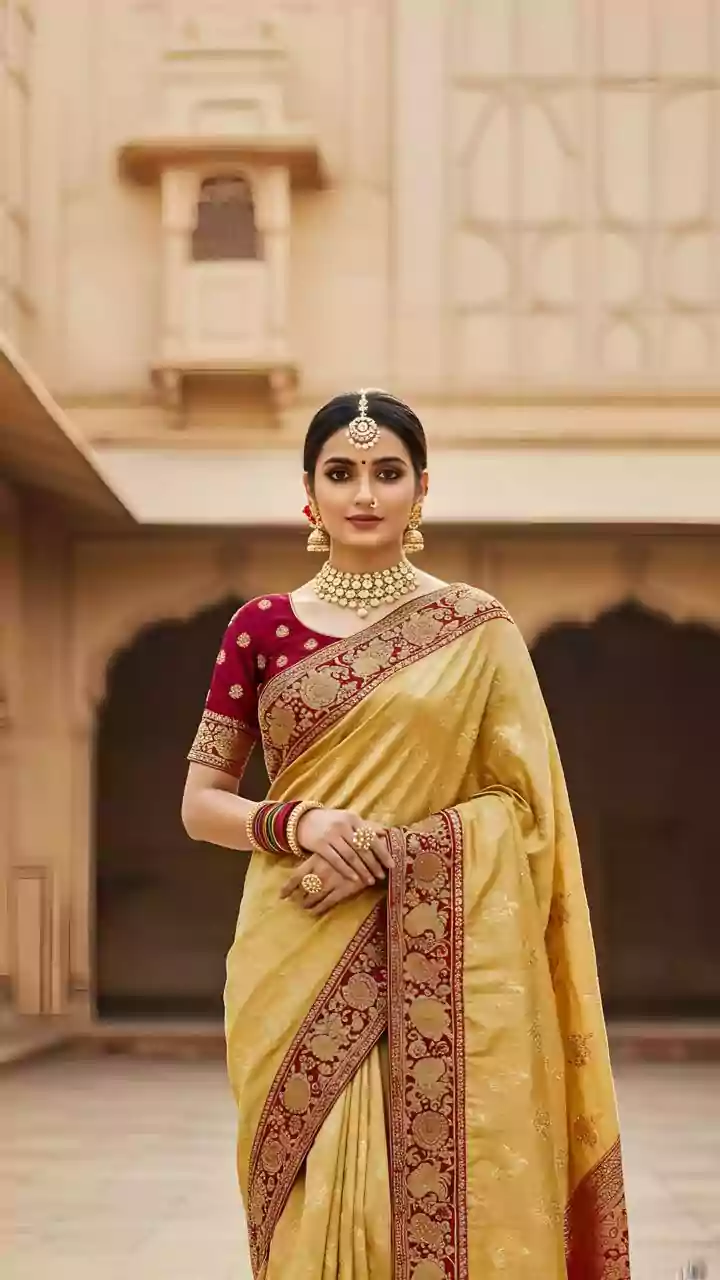
This is where your creativity comes to life. The border can be used in numerous ways. A classic approach is to use the border for the sleeves and back, pairing it with a simpler fabric for the body. For a statement piece, a skilled tailor can craft the entire choli from a wide, rich border. Consider popular designs where the border enhances the neckline, be it a boat neck, a deep V-neck, or a high neck. You can also use the border as a thick strap for a sleeveless design or as a feature panel down the back. Think about what you'll pair the choli with. If it’s for a specific lehenga or saree, use that to guide your design and colour choices.
Finding and Briefing Your Tailor
Your tailor is your partner in this creative process. It is crucial to find someone experienced with handling heavy or delicate fabrics. When you meet them, be prepared. Take the saree border, the fabric for the rest of the choli, and a reference image of the design you have in mind. Discuss the lining, as heavy borders need good support. Be explicit about where you want the border placed. For instance, if you want a mitred V_neck, where the border is folded neatly at the point, communicate that clearly. A good tailor can also suggest enhancements, like adding elegant latkans (tassels) or piping to complete the look. Providing clear instructions is key to getting the choli you envisioned.
Styling Your New Creation
Once your custom choli is ready, the fun of styling begins. Pair it with a plain chiffon, georgette, or silk saree to let the choli stand out. This new piece can also breathe life into an old lehenga. A heavy, border_work choli can elevate a simple skirt into a grand outfit. Don’t limit yourself to just traditional wear. A well_fitted, stylish choli can double as a crop top. Pair it with high_waisted trousers, a flowing maxi skirt, or even a pair of jeans under a jacket for a chic Indo_Western look. The right accessories will complete the ensemble. Since the choli is ornate, you might opt for minimal jewellery to keep the focus on your upcycled masterpiece.