




The 2026 Bold Sofa Revival
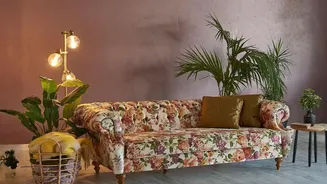
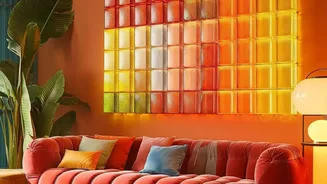
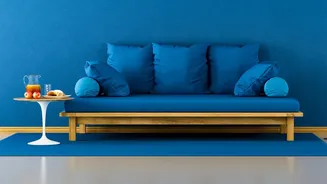
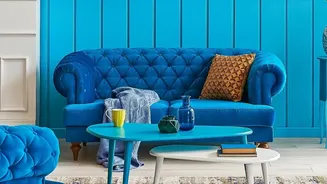
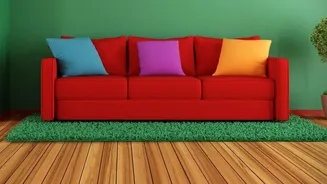
Interior design is swinging away from years of muted, safe neutrals and embracing more expressive, personal, and colourful choices. Leading this charge is the statement sofa. For 2026, designers are pointing towards sofas with personality—whether through
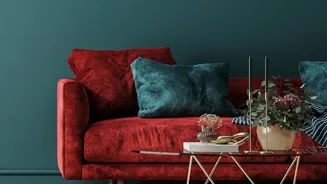
sculptural forms, rich patterns, or vibrant, saturated colours. After years of playing it safe with grey and beige, homeowners are ready to make the living room's centrepiece a true reflection of their style. This trend is about more than just aesthetics; it's about creating a joyful, inviting space. A brightly coloured or uniquely shaped sofa can anchor an entire room, setting a confident and cheerful tone. But with great impact comes great responsibility. The very thing that makes a statement sofa so desirable—its boldness—is also what can make it a costly design mistake if not chosen carefully.
Why Colour Isn’t the First Step
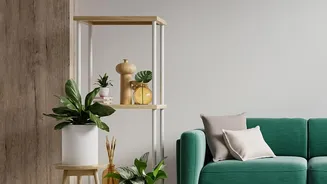
It’s easy to fall in love with a sofa for its colour. You see a stunning emerald green velvet or a warm terracotta linen and immediately imagine it in your space. This is the most common mistake buyers make: prioritising colour and style over fit and function. A sofa that looks perfect in a spacious showroom can completely devour a smaller living room, no matter how beautiful the shade. Conversely, a small, delicate sofa can feel lost and insignificant in a large, open-plan area. The problem is that a bold colour already carries significant “visual weight”—it naturally draws the eye and feels dominant in a room. When you combine a strong colour with the wrong size, the effect is magnified, leading to a space that feels unbalanced, cramped, or just plain wrong.
Mastering the Concept of Scale
Scale refers to how a sofa’s size relates to the size of the room it occupies. Getting this right is the most crucial step. A common guideline suggests that your sofa should take up roughly two-thirds of the length of the wall it’s placed against. This prevents it from looking awkwardly small or oppressively large. Before you shop, measure your room's length and width, and just as importantly, the height of your ceiling. A sofa with a high back can make a room with low ceilings feel claustrophobic, while a low-profile design might feel more appropriate. To truly understand how a potential sofa will fit, use painter's tape on your floor to mark out its length and depth. This simple five-minute exercise allows you to physically walk around the sofa's footprint, ensuring you have enough clearance (at least 30 inches is recommended) for comfortable movement.
The Importance of Proportion
While scale is about the sofa-to-room ratio, proportion is about how the sofa’s size relates to the other furniture in the space. Your new statement sofa needs to be a team player. Consider the pieces that will surround it: the coffee table, side chairs, and rugs. A massive, overstuffed sectional will dwarf delicate side tables and a small rug, creating a jarring imbalance. As a rule, your coffee table should be about two-thirds the length of your sofa and there should be at least 18 inches of space between them for easy navigation. The goal is to create a cohesive conversation area where all the pieces feel harmonious in size. If you have a dominant, visually heavy sofa, you might balance it with lighter elements, like chairs with exposed legs or a glass coffee table, to keep the room from feeling weighed down.
Shopping with a Plan
Now that you understand scale and proportion, you can start the fun part: shopping. Armed with your measurements and a clear vision for your space, you can filter your options with confidence. Start by finalising the ideal dimensions—length, depth, and height. Then, consider the sofa’s form. A blocky, solid sofa carries more visual weight than one on raised legs, which creates a sense of airiness by showing more floor. Once you’ve narrowed down the perfect size and shape for your room, you can finally and freely indulge in the joy of choosing that perfect statement colour or pattern. By putting scale first, you ensure your bold choice will be a celebrated centrepiece for years to come, rather than an expensive lesson in spatial awareness.