


An Ancient Tradition of Sweetness
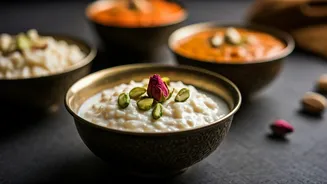
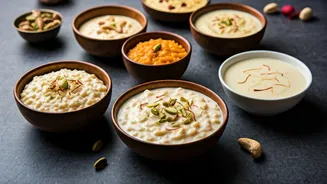
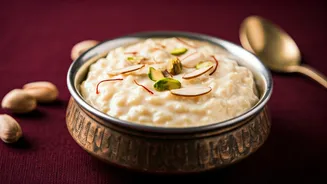
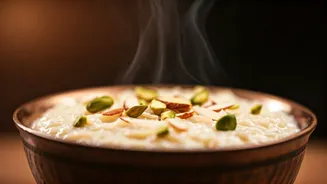
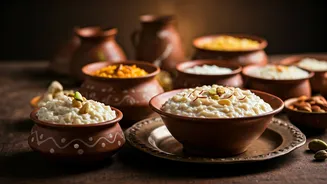
Known as kheer, payasam, or payesh depending on the region, this creamy concoction of milk, a starch (like rice, vermicelli, or tapioca), and a sweetener has roots deep in Indian history. [11, 19] Its origins are believed to trace back thousands of years,
with some suggesting it was first prepared in the temples of Odisha. [11] From being an offering to deities to a staple at festivals and weddings, kheer has evolved, with each region of India adding its own unique touch, reflecting the local culture and available ingredients. [11, 16] Whether it's sweetened with sugar or jaggery, or enriched with coconut milk, the essence of kheer remains a comforting and celebratory treat. [14]
Bengal's Winter Delight: Nolen Gurer Payesh
Come winter in West Bengal, and there is a palpable excitement for the arrival of 'nolen gur,' or fresh date palm jaggery. [26] This seasonal delicacy imparts a unique, smoky sweetness and a rich caramel flavour to the region's favourite payesh. [25, 27] Made with fragrant Gobindobhog rice, full-fat milk, and this special jaggery, Nolen Gurer Payesh is a creamy, decadent pudding that defines winter festivities and celebrations like Poush Parbon (Makar Sankranti) in Bengal. [25, 27] The jaggery is available in both liquid (jhola gur) and solid (patali gur) forms, which affects the final colour and consistency of this much-loved dessert. [26]
South India's Divine Offering: Pal Payasam
In South India, especially Kerala and Tamil Nadu, payasam is an indispensable part of any feast or 'sadya'. [17, 18] Among its many variations, Pal Payasam, made simply with rice, milk, and sugar, is revered. [31] Its significance is highlighted by the legend of the Ambalapuzha Sri Krishna temple in Kerala. [17, 20] Legend says Lord Krishna, disguised as a sage, challenged the local king to a game of chess. [20, 33] The prize was rice grains doubled on each square of the board. [20] When the king couldn't pay the astronomical debt, Krishna revealed himself and asked the king to serve pal payasam to pilgrims daily, a tradition that continues to this day. [17, 20, 33]
A Festive Staple for Eid: Sheer Khurma
Eid celebrations across the Indian subcontinent are incomplete without a bowl of Sheer Khurma. [4, 13] The name itself is Persian for "milk with dates," which are key ingredients in this rich and festive pudding. [10] It’s a Mughlai dessert made by simmering fine vermicelli (seviyan) with milk, dates, sugar, and a generous amount of nuts like pistachios, almonds, and cashews. [4, 10] Often prepared in large batches to share with family and friends, this aromatic and nutty kheer marks the sweet end to the holy month of Ramadan and the beginning of joyous festivities. [10, 13]
The Fasting Favourite: Sabudana Kheer
During fasting periods like Navratri, when grains are often avoided, Sabudana Kheer comes to the rescue. [5, 7] Made with sago or tapioca pearls (sabudana), this gluten-free dessert provides instant energy. [7] The soaked sabudana pearls are cooked in milk until they become soft and translucent, creating a unique, comforting texture. [6, 9] Flavoured with cardamom, sugar, and garnished with nuts, this creamy pudding is a popular and delicious 'vrat' (fasting) staple across India. [5, 9]
The Pride of Mithila: Makhane Ki Kheer
Makhana, or fox nuts, are a cultural and culinary cornerstone in the Mithila region of Bihar. [21, 32] Derived from lotus seeds, makhana is considered auspicious and is used in everything from welcoming guests to religious ceremonies. [21, 22] Makhane ki Kheer is a rich, nutritious dessert often prepared on special occasions and during fasts. [21, 28] The fox nuts are typically roasted in ghee and then simmered in milk until the kheer thickens, creating a royal pudding that is both healthy and delicious. [28, 29]