



What is Soil-Free Growing?
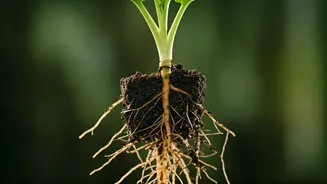
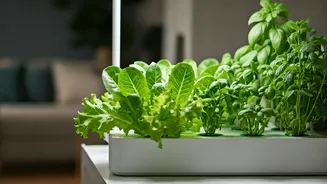
This method is called hydroponics. At its heart, the idea is simple. Plants don't actually need soil itself; they need the nutrients and support that soil provides. Hydroponics gives plants everything they need by dissolving essential nutrients directly
into water. The plant's roots are then suspended in this nutrient-rich water. This eliminates the need for soil, which means no mess, no weeds, and no soil-borne pests, making it perfect for growing indoors or on a small, clean balcony. Growing mediums like clay pellets (leca) or coco peat are often used in small net pots to anchor the plants and support their root systems.
The Perfect Solution for Small Indian Homes
For anyone living in a compact 2BHK or a studio apartment, space is the biggest hurdle for gardening. Hydroponics is a game-changer. Vertical systems can grow dozens of plants in just a couple of square feet of floor space by stacking them upwards. This method is also incredibly water-efficient, using up to 90% less water than traditional farming because the water is recirculated instead of draining away into the ground. Plants often grow faster because they get a constant, direct supply of nutrients. This means you can have a steady supply of fresh produce like lettuce, herbs, and spinach right from your kitchen window or balcony.
Your First Simple Setup: The Kratky Method
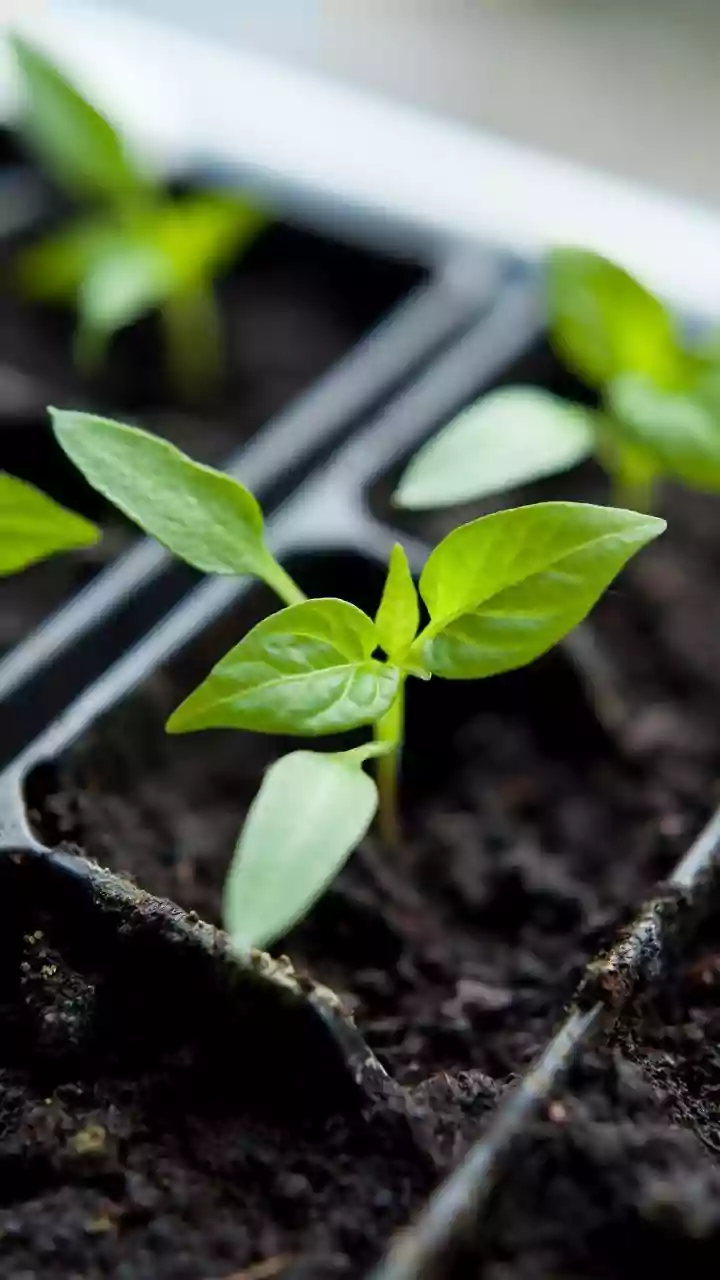
Getting started doesn't have to be complicated or expensive. One of the easiest entry points is a passive system called the Kratky method. All you need is a container with a lid (like a bucket or storage bin), some net pots, a growing medium, and hydroponic nutrients. You simply cut holes in the lid to hold the net pots, fill the container with the nutrient solution, and place your seedlings in the pots. As the plants grow, the water level drops, creating a pocket of humid air that provides oxygen to the roots. There are no pumps or circulating parts, making it a silent, low-maintenance way to begin your soil-free journey.
What to Grow in Your Apartment Garden
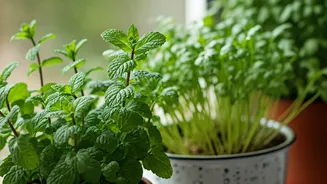
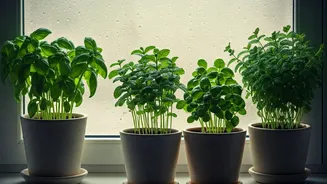
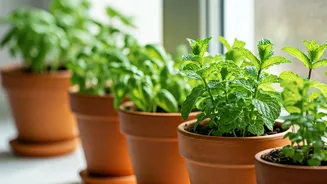
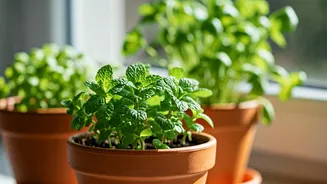
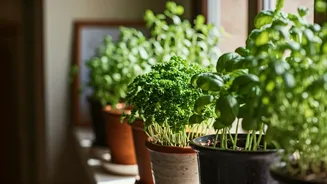
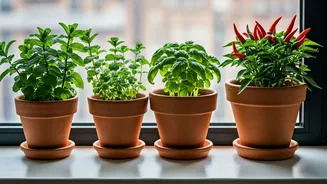
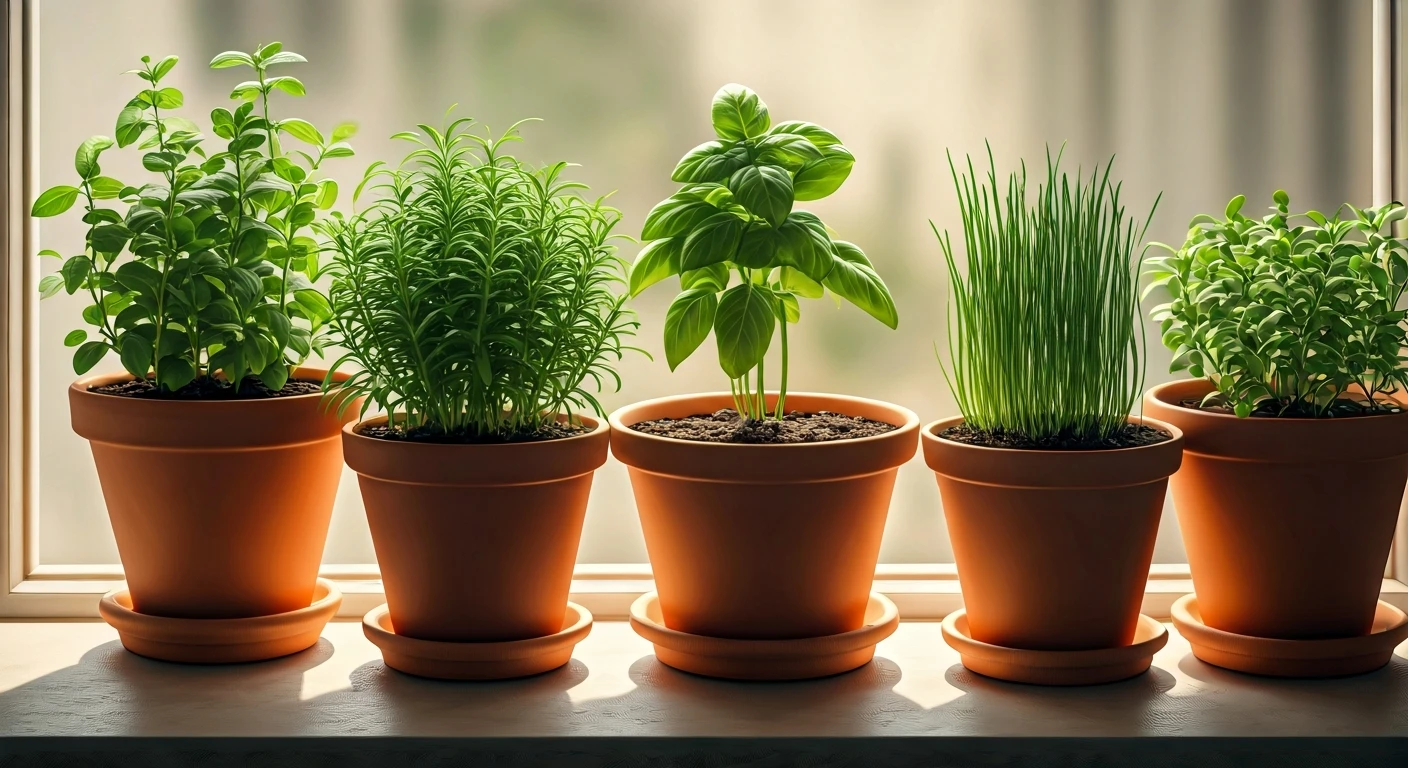
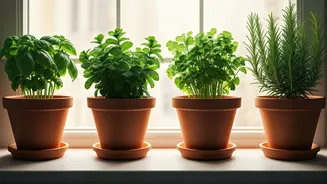
You can grow a surprising variety of vegetables and herbs that are perfect for the Indian kitchen. Leafy greens are the easiest and most recommended for beginners. Think about having a constant supply of fresh palak (spinach), dhaniya (coriander), and pudina (mint). Lettuce, kale, and other salad greens also grow exceptionally well and quickly. For those with a bit more space and light, you can even progress to fruiting plants like cherry tomatoes, chillies, and bhindi (okra). Starting with simple herbs and greens will give you quick, rewarding results and build your confidence.
Is It Difficult or Expensive to Start?
While commercial hydroponic farms are high-tech, a home setup can be surprisingly affordable. You can create a simple DIY system for under ₹2,000 using basic containers and materials. Beginner kits, which include everything you need from the container to the nutrients, are also widely available online in India and are a great plug-and-play option. There is a learning curve, especially when it comes to mixing nutrients and maintaining the pH level of the water, but it's a manageable and rewarding hobby. Starting small with just a few plants allows you to learn the ropes without a huge investment. The cost can be quickly offset by the money you save on buying fresh, organic-quality greens.