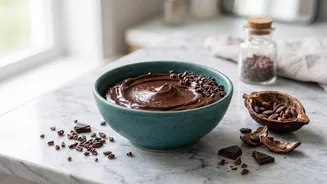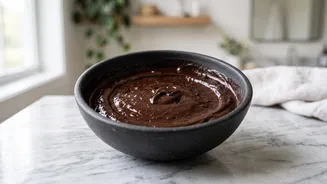




The idea of smoothing a rich, chocolate-scented mask over your face sounds like the ultimate self-care indulgence. But beyond the luxurious feel and delicious aroma, does it offer any real, lasting benefits for your skin? Let's unwrap the truth.
The Allure: A Treat for the Senses
There's
no denying the appeal. A chocolate face mask is a deeply sensory experience that feels pampering and decadent. The rich smell of cocoa can be genuinely mood-lifting, and the ritual of applying a mask is a well-established form of relaxation and self-care. For many, this indulgent experience is a benefit in itself, offering a simple way to unwind after a stressful week. The feel-good factor is strong, and in the world of wellness, that's not something to be dismissed. It’s a moment of mindful indulgence that makes you feel good, even if the visible results are temporary.
The Claim: An Antioxidant Powerhouse
The primary scientific claim for chocolate skincare rests on cocoa's high concentration of antioxidants, specifically a type of polyphenol called flavonoids. In fact, studies have shown that cocoa has a higher antioxidant capacity than green tea and red wine. Antioxidants are vital for skin health because they help neutralize free radicals—unstable molecules from pollution and UV radiation that damage skin cells, leading to premature ageing. The logic follows that applying these powerful compounds directly to the face could help protect the skin, reduce inflammation, and promote a healthier complexion.
The Reality: Do The Benefits Absorb?
This is where the feel-good sensation meets a hard scientific reality. While cocoa is packed with beneficial compounds, their ability to penetrate the skin from a DIY mask is debatable. Dermatologists point out that many molecules in raw ingredients are simply too large to be effectively absorbed by the skin's outer layers. A 2024 study did find that antioxidants from a cocoa solution could reach the top layer of skin, but this was under controlled conditions. Commercial skincare products that use cocoa extracts often formulate them in a way that enhances absorption and ensures stability. A homemade concoction of cocoa powder and yogurt lacks the sophisticated delivery systems needed to drive ingredients deep into the skin where they can create significant, lasting change.
What Proven Benefits Can You Expect?
So, are chocolate masks useless? Not entirely, but their benefits are mostly superficial and temporary. The main effects you'll likely notice are related to hydration and temporary circulation boosts. Cocoa butter is an excellent emollient, meaning it can moisturize and soften the skin by creating a protective barrier that locks in moisture. Some compounds in cocoa may also temporarily increase blood flow to the skin's surface, which can result in a short-lived radiant glow. The texture of the mask might also provide very gentle exfoliation. However, these effects are transient. The glow you see is likely to fade within a few hours or a day, unlike the cumulative results you might get from a clinically formulated serum.
Potential Risks of a DIY Chocolate Mask
Before you rush to the kitchen, it's important to consider the potential downsides. Not all chocolate is created equal. Using a chocolate bar full of sugar and milk could potentially irritate the skin or clog pores. Pure cocoa powder is a better choice, but even then, DIY masks come with risks. Homemade products lack preservatives, making them a potential breeding ground for bacteria that could lead to breakouts. Furthermore, ingredients in DIY masks are not pH balanced for your skin, which can disrupt your skin's protective barrier, leading to irritation, dryness, and sensitivity. It's always wise to perform a patch test on a small area of skin before applying any new concoction to your entire face.