




A Season of Worry
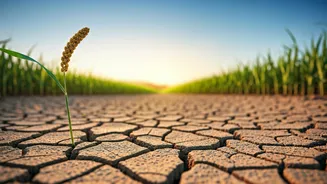
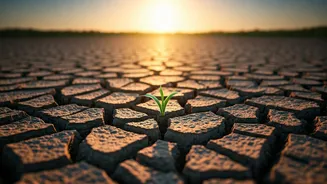
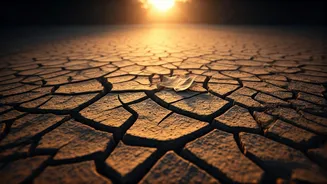
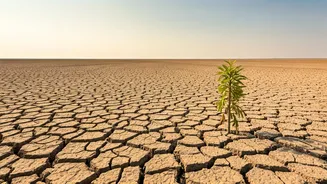
The Southwest Monsoon, the lifeblood for about 70% of India's annual rainfall, has had a sluggish and concerning start in 2026. By mid-June, rainfall was approximately 43% below normal, marking one of the weakest starts in over a decade and stoking fears
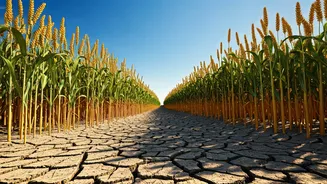
of a difficult agricultural season ahead. The India Meteorological Department (IMD) has forecast that the seasonal rainfall is likely to be 'below-normal', at around 90% of the Long Period Average. This deficit is largely attributed to a strengthening El Niño, a weather pattern known for weakening monsoon winds over India. With nearly half of India's farmland lacking irrigation, the success of the crucial kharif sowing season for crops like rice, cotton, and soybeans is thrown into uncertainty.
The Government on Alert
In response to the looming crisis, the Union Agriculture Ministry has activated emergency contingency plans. Agriculture Minister Shivraj Singh Chouhan confirmed that 315 districts vulnerable to deficient rainfall have been identified for intervention. Among these, 111 districts with less than 25% irrigation coverage are marked as 'high-priority'. The government's strategy is to guide farmers in these vulnerable regions away from thirsty crops like paddy and towards alternatives that can withstand drier conditions. To support this shift, an 'El Niño Monitoring Cell' has been set up to track weather patterns in real time, and states have been urged to ensure farmers have access to crop insurance and credit schemes to build resilience against weather-related shocks.
Enter Millets, the Climate-Smart 'Super Grain'
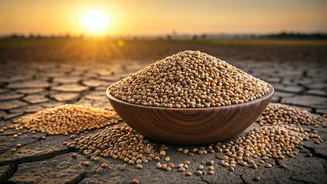
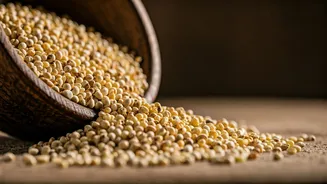
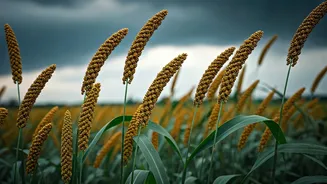
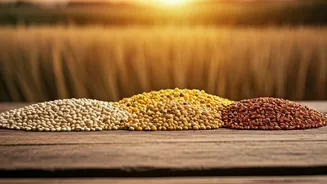
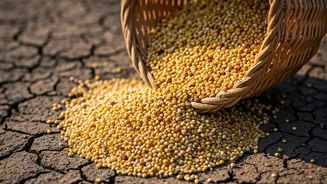
This is where millets, or 'Shree Anna', come into focus. For centuries, grains like jowar (sorghum), bajra (pearl millet), and ragi (finger millet) were staples in the Indian diet before the Green Revolution prioritized high-yield varieties of rice and wheat. Millets are naturally climate-resilient; they are hardy, drought-tolerant crops that require significantly less water than rice and can thrive in poor soil conditions. This makes them the ideal contingency crop for a weak monsoon year. The government is actively encouraging farmers to plant these grains, a move that aligns with a broader national strategy to promote millets for their nutritional benefits and their role in sustainable agriculture. Early sowing data from June 2026 already shows a significant increase in the acreage for coarse cereals, with bajra cultivation up by 1.91 lakh hectares compared to the previous year.
From Farmer's Friend to Kitchen Staple
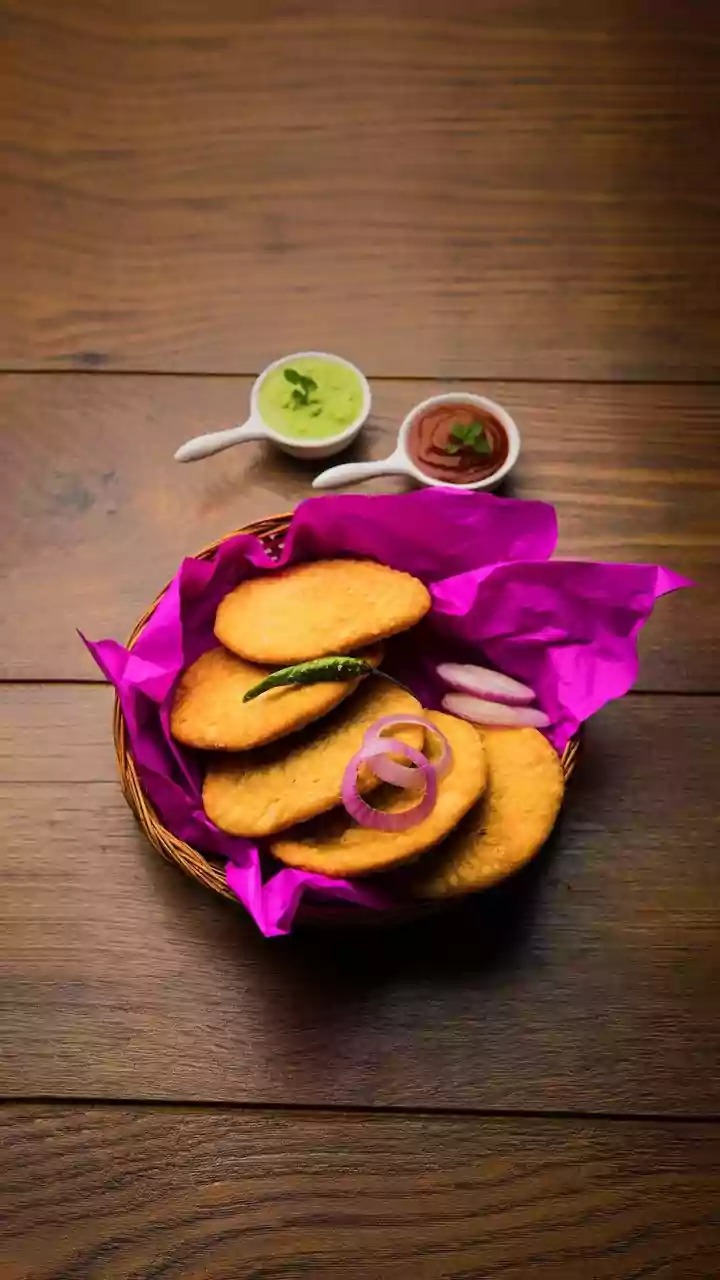
The push from the farm is meeting a pull from the consumer. Propelled by the government's 'International Year of Millets' initiative in 2023 and growing health consciousness, urban consumers are slowly rediscovering these ancient grains. Millets are nutritionally superior to refined rice and wheat, boasting higher protein, fibre, and essential minerals like calcium and iron. They are also gluten-free and have a lower glycemic index, making them suitable for diabetics. Despite this, wider adoption has faced hurdles like price, limited availability in retail, and a lack of familiarity with millet-based cooking. However, as the weak monsoon threatens the supply of staples, millets are poised to become a more common sight, not just as a health food but as a practical, everyday alternative.
A Silver Lining for Food Security
While a deficient monsoon poses immediate economic challenges, it also forces a necessary re-evaluation of India's agricultural priorities. The current crisis highlights the risks of over-reliance on water-guzzling crops and accelerates the transition towards a more diversified and climate-resilient food system. The renewed focus on millets is not just a short-term fix but a long-term strategy for ensuring food and nutritional security in an era of increasing climate uncertainty. By supporting farmers to cultivate these hardy grains and encouraging consumers to adopt them, the country is inadvertently strengthening its defence against future droughts and building a more sustainable agricultural future.