





The Shifting Landscape of Work
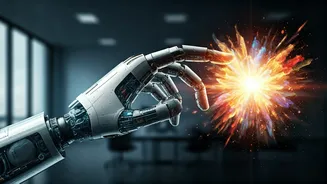
The modern workplace is in a state of rapid transformation. The primary driver of this change is technology. Artificial intelligence and automation are increasingly capable of handling routine, repetitive, and even complex technical tasks. While this might
sound like a threat, it's actually creating a new opportunity for human talent to shine in areas where we are irreplaceable. As machines take over the 'doing,' employers are placing a much higher value on skills that govern how we think, interact, and adapt. Reports from organisations like the World Economic Forum highlight that skills such as analytical thinking, creativity, and resilience are now top priorities for businesses looking to navigate an uncertain future. In India, the soft skills training market is projected to grow significantly, signalling a widespread recognition that technical proficiency alone is no longer enough to secure long-term career success.
The Most In-Demand 'Human' Skills
So, what are these crucial soft skills? They aren't vague personality traits; they are concrete, observable abilities that drive performance. Communication is consistently ranked as one of the most desired skills. This includes everything from writing clear emails to active listening and public speaking. Another is emotional intelligence (EQ), the ability to understand and manage your own emotions and recognise them in others to guide behaviour. It’s the foundation for effective teamwork, leadership, and conflict resolution. Other highly valued skills include adaptability, problem-solving, and critical thinking. In a world where business models can change overnight, employees who can think on their feet, analyse complex situations, and collaborate effectively are the ones who provide a lasting competitive advantage.
AI as a Catalyst, Not a Competitor
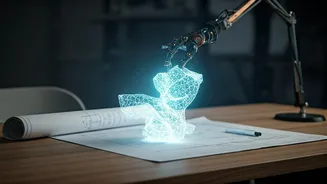
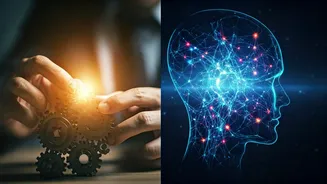
It’s a common misconception that AI is here to replace human workers. The reality is more nuanced: AI is transforming job roles, not eliminating them entirely. It acts as a powerful tool that, when wielded effectively, enhances human capabilities. AI can analyse massive datasets in seconds, but it requires a person with critical thinking skills to interpret those findings, ask the right questions, and make a strategic decision. It can automate a workflow, but it needs a creative team to dream up the innovative product that workflow will build. In this human-AI collaboration, soft skills are the essential bridge. They enable us to manage complex social dynamics, navigate ethical dilemmas posed by technology, and lead teams through periods of significant change—tasks that remain far beyond the reach of any algorithm.
How to Cultivate Your Competitive Edge
Unlike technical skills, which are often learned through formal courses, soft skills are primarily developed through experience and conscious practice. One of the best ways to start is by actively seeking feedback from managers and peers on areas like communication or teamwork. Stepping out of your comfort zone is also key. Volunteer to lead a project, even a small one, to hone your leadership and delegation skills. Practice active listening in meetings by summarising others' points before sharing your own. To improve problem-solving, you can engage in logic puzzles or brainstorm solutions to challenges outside your immediate role. Taking on stretch assignments, mentoring a junior colleague, or even joining a club or volunteer organisation can provide invaluable real-world practice for building these essential interpersonal abilities.