





The Monsoon's Double-Edged Sword
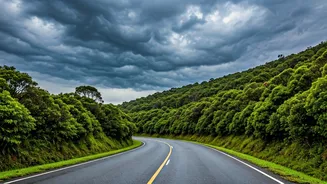
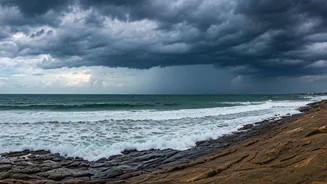
From June to September, coastal Karnataka transforms into a lush paradise. The landscapes around Udupi, Gokarna, and Karwar are breathtaking, with rain-washed forests and dramatic seas. For many, this is the perfect time to visit, with fewer crowds and vibrant
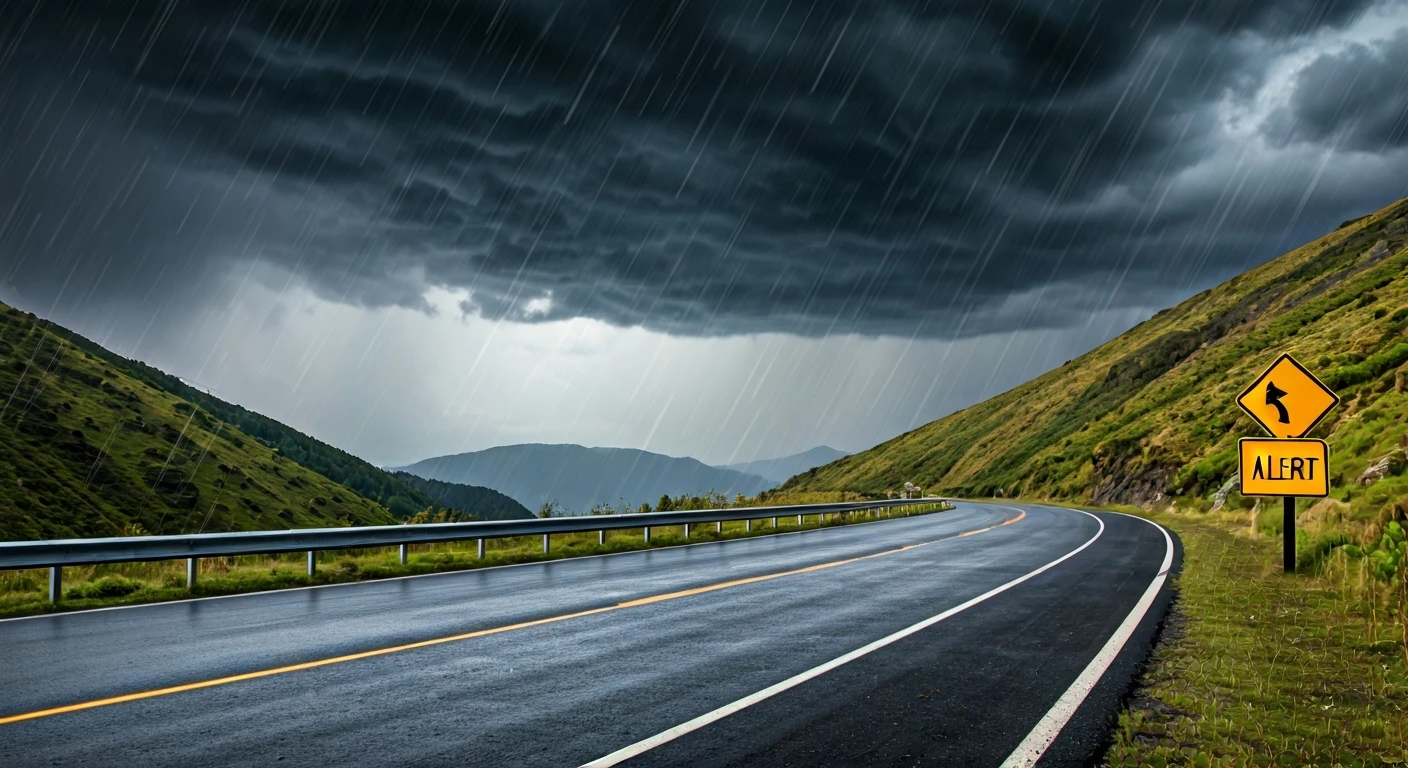
scenery. However, this beauty comes with a caveat: the southwest monsoon brings intense rainfall, which significantly impacts travel. The India Meteorological Department (IMD) has issued orange alerts for coastal districts through early July, warning of heavy rain and strong winds, urging residents and tourists to exercise caution. This makes understanding road conditions a critical part of your travel plans.
Navigating the Ghats: A Slippery Slope
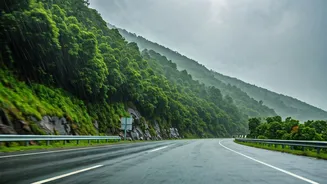
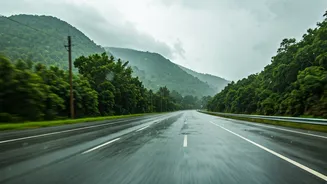
For those travelling from Bengaluru, Mysuru, or Shivamogga, the journey involves crossing the Western Ghats. Key routes like the Shiradi Ghat (NH-75), Charmadi Ghat (NH-73), and Agumbe Ghat are famously scenic but become treacherous during heavy rains. Landslides, falling trees, and thick fog are common hazards. Authorities have issued advisories for these sections, with mudslides being a primary concern. On some days, traffic, especially for heavy vehicles, may be restricted or even completely banned for safety. Agumbe Ghat, in particular, is known for falling boulders, while Charmadi can have extremely narrow passages and poor visibility due to mist. It's crucial to check the real-time status of these ghats before starting your journey.
The Coastal Highway (NH-66): Not a Smooth Sail
National Highway 66 is the main artery that connects Mangaluru, Udupi, Murudeshwar, and Karwar. While significant portions have been widened to four or six lanes, the work is ongoing, creating bottlenecks. During the monsoon, these issues are compounded. Waterlogging is common in low-lying areas and cities like Mangaluru, slowing traffic to a crawl. Potholes can become a major issue, further disrupting traffic flow. In some stretches near towns like Kumta and Honnavar, incomplete bypasses mean navigating through congested local traffic. The combination of construction work and relentless rain means that a drive that looks straightforward on a map can involve unexpected delays and diversions.
A Traveller's Smart Checklist
Given the unpredictable conditions, a little preparation goes a long way. Before and during your trip, make it a habit to check reliable sources for road updates. Monitor alerts from the IMD and the Karnataka State Natural Disaster Monitoring Centre (KSNDMC) for the latest weather warnings. Use real-time traffic apps, but supplement them with local news reports or by calling hotels near your destination to ask about ground conditions. Driving during daylight hours, especially before 6 AM to avoid truck traffic, is advisable on ghat roads. Ensure your vehicle is in excellent condition, with functional wipers, tyres, and fog lights. Packing rain gear and emergency supplies is also a sensible precaution.
Safer Alternatives to Consider
If driving seems too daunting, consider alternatives. The Konkan Railway offers a scenic and generally more reliable way to travel along the coast, though trains may run at restricted speeds and face delays during intense rainfall. Services like the Vande Bharat Express and Panchaganga Express can be good options. The Karnataka State Road Transport Corporation (KSRTC) also operates bus services, which often use the most well-monitored routes during the monsoon. For some destinations like Gokarna, combining a train journey with local transport can be a stress-free way to enjoy your trip without the hassle of navigating risky roads. Remember that many beaches might be closed to the public due to high tides and dangerous currents, so always heed local warnings.