


The Heart of the Celebration
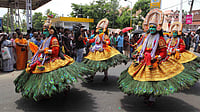
Onam, Kerala's iconic harvest festival, celebrates the annual homecoming of the legendary King Mahabali. The festivities, which begin on August 16, 2026, culminate on Thiruvonam, the main day on August 26. At the heart of this ten-day celebration is the Onam Sadhya,
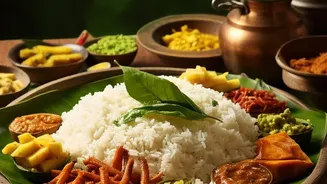
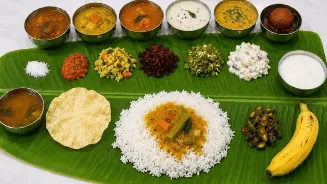
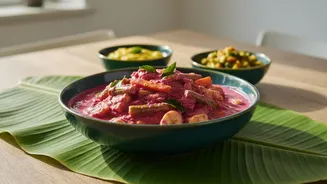
a magnificent vegetarian banquet that represents abundance and communal joy. Traditionally served on a banana leaf, the Sadhya is not just a meal but a cultural experience, featuring a balanced array of flavours from sweet and sour to salty and spicy, with anywhere from 24 to over 28 dishes. The experience is as much about the meticulous arrangement on the leaf as it is about the taste of the food itself.
Decoding the Sadhya Menu
A traditional Sadhya menu is a harmonious collection of dishes, each with a specific role. While the list can seem long, many dishes share base ingredients like coconut and yoghurt. The essentials include: Kerala Matta Rice, which forms the centrepiece. The main curries are Parippu (a simple lentil curry with ghee), Sambar (a hearty lentil and vegetable stew), and Rasam (a tangy, peppery soup to aid digestion). The side dishes, or 'kootan', provide texture and variety. Key among them are Avial (mixed vegetables in a coconut-yoghurt gravy), Thoran (a dry stir-fry of vegetables like cabbage or beans with coconut), Olan (a mild curry of ash gourd and cowpeas in coconut milk), and Kootu Curry (a heavier dish of chickpeas and vegetables in a roasted coconut paste).
Pickles, Accompaniments, and Sweets
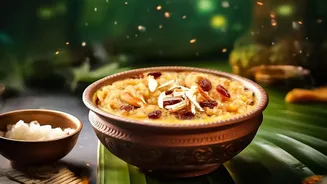
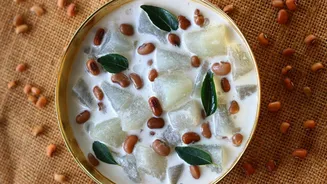
No Sadhya is complete without its array of tangy and crunchy accompaniments. These are served in small quantities but pack a punch. Must-haves include Puli Inji, a sweet and sour ginger-tamarind chutney, and sharp pickles like Naranga Achar (lime pickle). Lighter yoghurt-based dishes like Kichadi and Pachadi, often made with cucumber or pineapple, offer a cooling contrast. For crunch, there's the essential Pappadam, along with Kaaya Varuthathu (banana chips) and Sharkara Upperi (jaggery-coated banana chips). The feast concludes with one or more Payasams, a sweet pudding. Traditional choices include Ada Pradhaman (made with rice flakes, jaggery, and coconut milk) and Palada Payasam (made with milk, sugar, and rice ada).
A Smart Preparation Timeline
The secret to a stress-free Sadhya is planning. Do not try to cook everything on the final day. Two to three days before, do your grocery shopping and prepare items that keep well, like Inji Puli and pickles. The day before Onam is for the bulk of your prep work. You can chop nearly all the vegetables for the Avial, Thoran, and Sambar and store them in airtight containers in the fridge. Grating coconut, soaking lentils, and even preparing the Sambar and a Payasam can be done a day ahead. On Thiruvonam morning, focus on the dishes that are best served fresh, such as Avial, Thoran, and Olan. Cook the rice last so it is served steaming hot.
The Art of Serving on the Leaf
Serving the Sadhya is a ritual in itself. The banana leaf is placed with its narrow tip pointing to the guest's left. Serving starts from the top left of the leaf. Accompaniments like pickles, chips, and Pachadi are placed along the top half. The right side is for the main side dishes like Avial and Thoran. A small banana and a Pappadam are placed on the far left. Once the guest is seated, a generous portion of hot Matta rice is served on the bottom half of the leaf. The meal begins with a spoonful of Parippu curry topped with ghee. Sambar is the next course, followed by Rasam. Payasam is served towards the end, after which a final serving of rice with buttermilk helps conclude the heavy meal and aids digestion.