




The New Rule: 30 Days Visa-Free
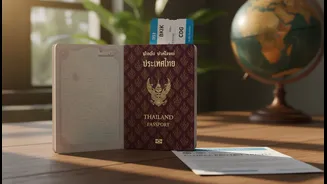
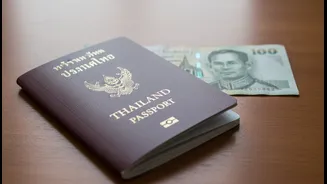
In a recent decision on July 14, 2026, the Thai cabinet brought clarity to its visa policy for Indian citizens. While the previous temporary 60-day visa-free scheme has ended, the government has established a new, more permanent arrangement. Indian passport
holders will now receive a 30-day visa-free stay upon arrival. This move was made to reverse a decline in tourism from India, which occurred after a proposal to reintroduce paid visas caused widespread confusion. The new 30-day rule replaces the need for a Visa on Arrival (VOA), which would have limited stays to 15 days and required a fee. The government stated this new duration aligns well with the typical travel patterns of Indian tourists, whose average stay is around seven days.
Your First Budget Win: The Saved Visa Fee
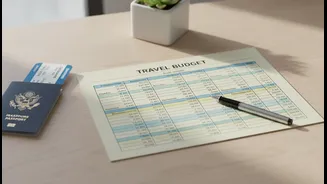
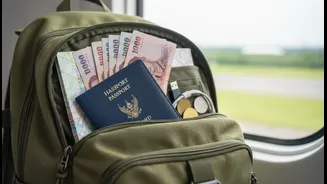
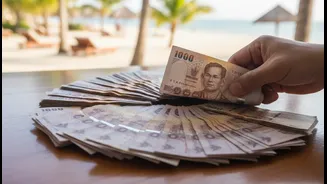
The most significant budgeting opportunity from this new rule is the money you'll save right at the airport. By continuing the visa-free arrangement, Thailand has allowed Indian travellers to avoid the Visa on Arrival (VOA) fee. This fee is set at 2,000 Thai Baht, which is approximately ₹4,600. For a couple travelling together, that’s an instant saving of nearly ₹10,000 before the vacation even begins. This saved cash can be reallocated towards experiences, better accommodation, or simply extend your shopping budget. Instead of dealing with visa paperwork and fees upon landing, you can proceed directly to immigration, making for a smoother and more cost-effective start to your trip.
Planning Your Trip Within 30 Days
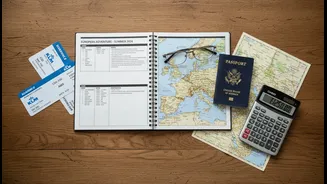
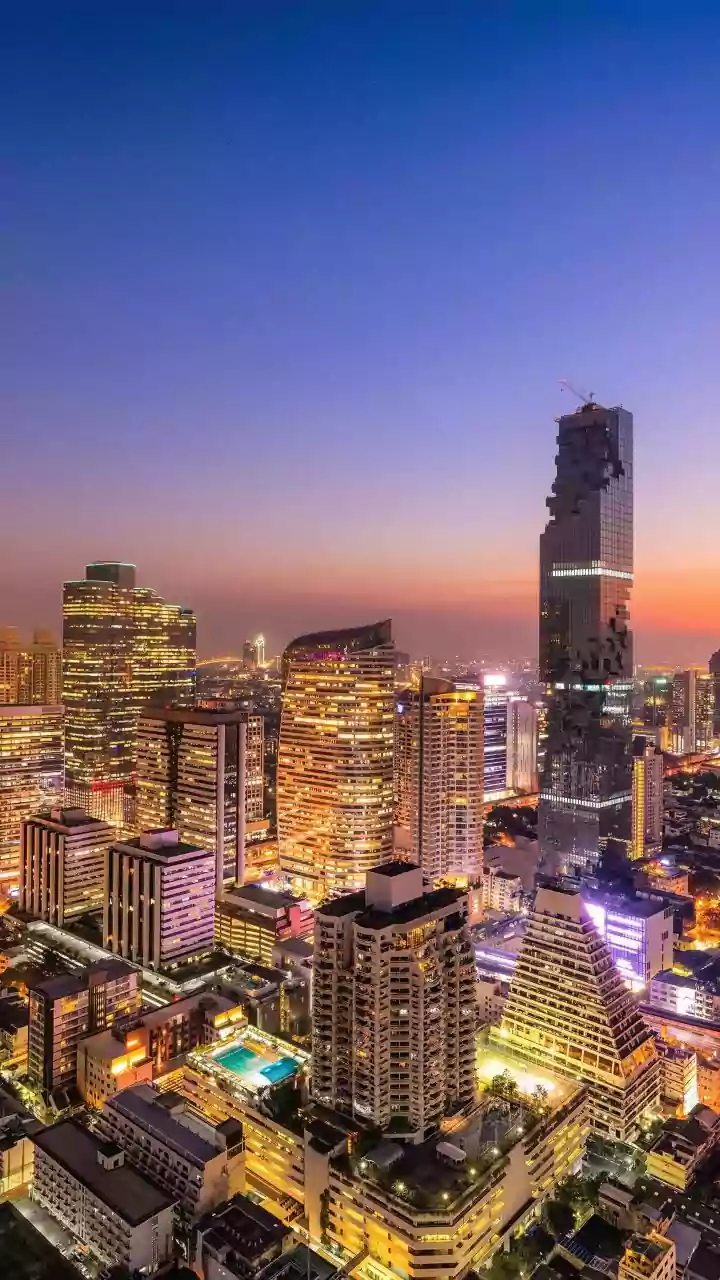
While the stay period has been reduced from the temporary 60 days, a 30-day window is more than sufficient for an immersive Thai holiday. This duration allows for a multi-city itinerary without feeling rushed. You could easily spend a week exploring the bustling city life and temples of Bangkok, fly north for a week of culture and nature in Chiang Mai, and still have over two weeks left to relax on the beaches of Krabi or Phuket in the south. This timeframe also gives you the flexibility to travel slower, using more affordable overnight buses or trains for intercity travel, which can further reduce costs and save you a night's accommodation expense.
For Longer Stays: The Destination Thailand Visa (DTV)
For those who wish to stay much longer, Thailand has also introduced the 'Destination Thailand Visa' (DTV), often called a 'digital nomad' visa. This is a separate, long-term option for remote workers, freelancers, and others wanting an extended 'workcation'. The DTV is valid for five years with multiple entries. Each entry allows a stay of up to 180 days, which can be extended once for another 180 days, permitting a continuous stay of nearly a year. While this visa comes with a fee and a financial proof requirement of at least 500,000 THB in your bank account, it offers incredible flexibility for those who can work from anywhere and want to make Thailand a temporary home base.
More Tips for a Budget-Friendly Thai Holiday
Beyond the visa savings, Thailand remains a haven for budget-conscious travellers. To make your money go further, consider travelling during the off-season (May to October), when flights and hotels can be up to 50% cheaper. Embrace the local culture by eating at street food stalls and night markets, where authentic meals can be found for a fraction of the price of tourist-centric restaurants. For getting around, use public transport like Bangkok's BTS Skytrain and MRT, or use ride-hailing apps like Grab for affordable taxi rides. When booking accommodation, hostels and guesthouses offer clean and safe lodging for as little as ₹1,500 per night or even less in some areas.