






The Great Indian Digital Leap
India's internet user base has exploded, crossing the 1 billion mark in 2026. This massive growth is powered by affordable smartphones and some of the world's cheapest mobile data plans. It's a mobile-first revolution, with over 90% of internet connections
being wireless. This digital wave isn't just an urban phenomenon; rural India is catching up rapidly, with internet user growth in these areas outpacing cities. This surge in connectivity has laid the groundwork for a seismic shift in consumer behaviour, moving everything from banking to shopping online. For millions, the primary gateway to information, services, and commerce is now the screen they hold in their hand.
From Street Food to App Food
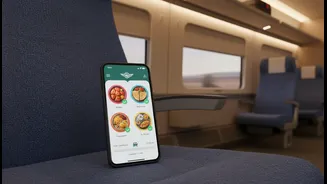
The most visible change driven by this digital access is in the food sector. India's online food delivery market has become a multi-billion dollar industry, with platforms like Zomato and Swiggy becoming household names. This market is projected to grow at a staggering rate, driven by convenience, rising disposable incomes, and the sheer variety offered. Busy urban lifestyles and a growing workforce have fueled demand for restaurant-quality meals delivered to the doorstep, reducing the frequency of home cooking for a significant portion of urban users. This convenience is now extending beyond major metros, with Tier-2 and Tier-3 cities becoming the next major growth frontier for food delivery companies.
Catering to a Billion Diets
What makes the Indian market unique is its incredible dietary diversity, which digital platforms have been forced to acknowledge and adapt to. Generic offerings don't work in a country with countless regional cuisines, widespread vegetarianism, and specific religious or community-based food habits. Food apps have successfully integrated features like 'pure veg' modes, filters for Jain food, and extensive regional menus to cater to these specific needs. This hyper-personalisation is a key driver of their success. The rise of platforms dedicated to home chefs is another testament to this, connecting users with authentic, regional dishes that are rarely found in commercial restaurants. This shows a powerful feedback loop: Indian dietary preferences are directly shaping the features and business models of these massive retail platforms.
Information is the New Spice
Internet access doesn't just provide a platform to order food; it also changes how people think about it. Increased digital literacy gives consumers the ability to access a world of information about health, nutrition, and wellness. Consumers are now more aware of concepts like gluten-free, organic, and functional foods. This growing health consciousness is reflected in online searches and purchasing behaviour, with a noticeable shift towards healthier alternatives like cold-pressed oils, protein-rich snacks, and organic staples, even in smaller towns. E-commerce platforms report significant growth in their health and nutrition categories, driven by consumers who discover food through wellness trends and creator recommendations online.
The Future of Food and Retail
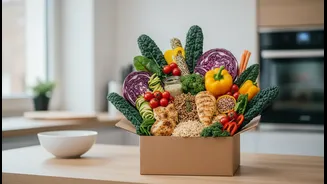
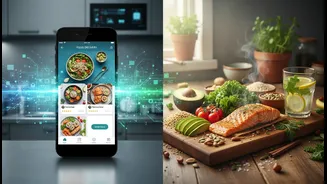
The intersection of internet access and diet is paving the way for the future of Indian retail. Quick commerce, promising deliveries in under 20 minutes, is the new standard for groceries and essentials in urban areas. Artificial intelligence is being used to offer even more personalised menu recommendations and diet plans that understand the nuances of Indian meals. As digital penetration deepens in rural India, it will unlock new markets and opportunities. This involves not just delivering to these areas but also sourcing from them, potentially connecting farmers and local producers directly to a wider consumer base through digital platforms. The line between information access, retail choice, and dietary habits will only continue to blur, creating a highly dynamic and responsive consumer ecosystem.