





The Forest's Ghostly Glow
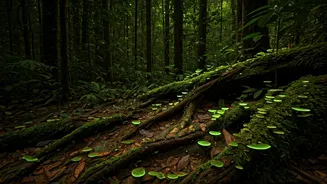
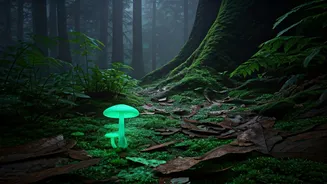
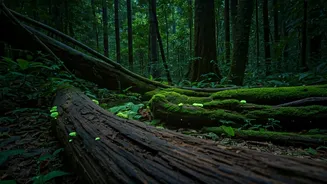
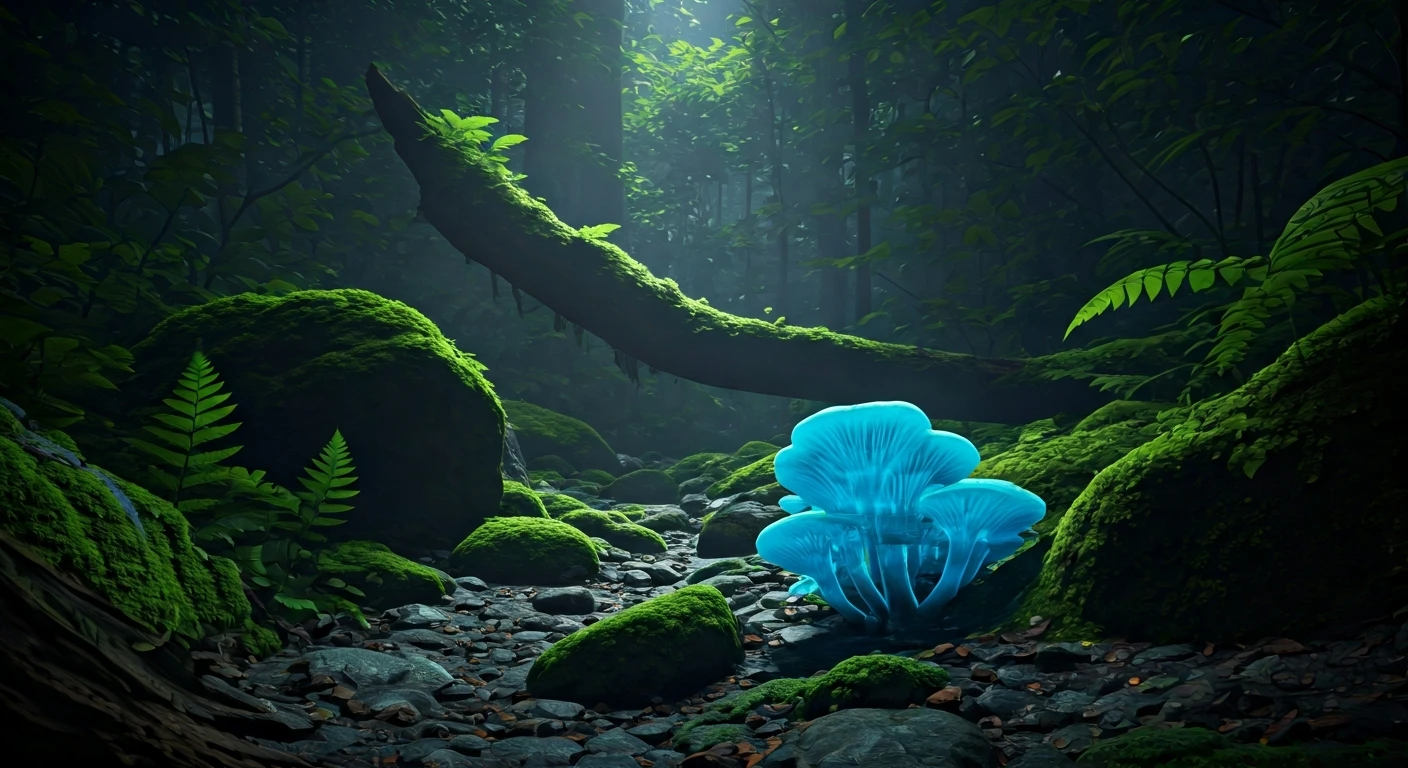
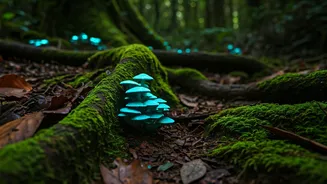
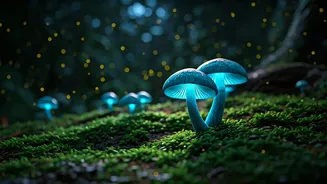
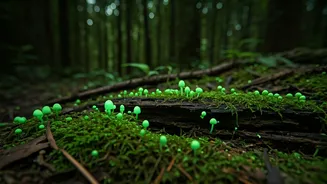
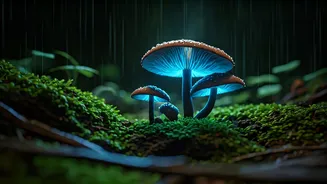
This otherworldly phenomenon is not magic, but biology. It’s the work of bioluminescent fungi, specifically species from the genus *Mycena*. During the wet monsoon months, these tiny mushrooms sprout on decaying logs, twigs, and leaf litter. By day, they
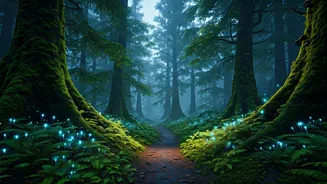
are unassuming, often missed by the casual observer. But by night, they reveal their secret, casting a steady, cool-green luminescence that can be bright enough to read by if you get close enough. This natural light show, often referred to as 'foxfire', creates a truly spectacular and slightly eerie sight for those trekking through the forests after sunset. Unlike the flickering of a firefly, the fungi’s glow is constant, a silent, living lantern guiding the way in the pitch-dark undergrowth.
The Science of Living Light
So, how do these mushrooms produce their own light? The process is called bioluminescence, the same chemical trick used by fireflies and many deep-sea creatures. It’s a fascinatingly efficient reaction. The fungi produce a compound called luciferin. When this luciferin combines with oxygen, it is catalysed by an enzyme called luciferase. This chemical reaction releases energy in the form of cold light—meaning very little energy is wasted as heat. The result is the soft, greenish glow that makes these fungi famous. Scientists have identified several species of *Mycena* in the Western Ghats that are capable of this, each contributing to the magical carpet of light that appears when conditions are just right: damp, dark, and full of decaying organic matter to feed on.
But Why Do They Glow?
This is the million-rupee question that still intrigues mycologists (fungi experts). There isn't one definitive answer, but several compelling theories exist. The leading hypothesis is that the light attracts nocturnal insects. As insects like beetles and flies are drawn to the glow, they crawl over the mushroom caps, inadvertently picking up fungal spores. They then fly away, carrying the spores to new locations and helping the fungus reproduce and spread. Another theory suggests the light might serve as a warning, deterring nocturnal animals from eating the fungi. Some researchers also propose that the glow could simply be a metabolic byproduct—an accidental side effect of the fungus's digestion of wood, with no specific evolutionary purpose at all. The truth is likely a combination of these factors, making the phenomenon even more mysterious.
A Monsoon Masterpiece
This natural light show is a seasonal and regional specialty. You won't see it on a dry summer evening. The fungi thrive in the high humidity and abundant moisture brought by the Southwest Monsoon, typically from June to October. The Western Ghats, a UNESCO World Heritage site and one of the world's most important biodiversity hotspots, provides the perfect habitat. Sightings are frequently reported from the forests of Goa, parts of Maharashtra (near Bhimashankar Wildlife Sanctuary), Karnataka (in the Agumbe rainforest), and Kerala. The best time to witness the glow is on a moonless night, deep inside a wet, undisturbed forest, a few days after heavy rainfall. It requires patience and a bit of luck, but the reward is an unforgettable experience.
An Indicator of a Healthy Forest
Beyond their beauty, the presence of these glowing mushrooms is a positive sign. Bioluminescent fungi grow on decaying wood, playing a crucial role as decomposers in the forest ecosystem. They break down dead organic material, recycling vital nutrients back into the soil for plants to use. Their appearance indicates a healthy, thriving forest with a good amount of woody debris and the right level of humidity—hallmarks of an ecosystem that is largely undisturbed. In this way, the ghostly glow is more than just a pretty light; it’s a bio-indicator, a silent testament to the health and richness of the ancient forests of the Western Ghats. Their delicate glow serves as a beautiful reminder of the intricate, often hidden, natural wonders that these vital ecosystems protect.