








The Global Rise of the Packaged Snack
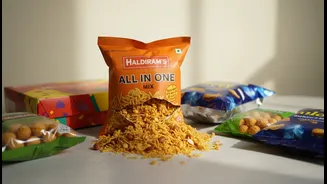
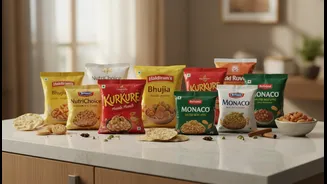
The story of Indian snacks abroad is one of impressive growth. Brands that began as family-run businesses have transformed into global FMCG players. Haldiram's, for example, is a dominant force, exporting to over 80 countries and achieving a valuation
that rivals established consumer goods giants. Its revenue and reach demonstrate that Indian flavours, when packaged and marketed effectively, have mass appeal. Similarly, Bikaji Foods International has a robust presence in 35 countries, with products available in major retail chains like Walmart and Lulu. The company is aggressively expanding, even investing millions to set up a local manufacturing facility in the United States to meet rising demand. This boom isn't just a vibe; it's a measurable export category. Between 2019 and 2024, India's snack exports more than doubled, growing at a compound annual rate of 17%. This success is driven by both the large Indian diaspora and a growing curiosity among non-Indian consumers for new and authentic tastes.
A Different Beast Entirely
While the success of packaged snacks is undeniable, it's crucial to understand that selling a packet of bhujia is fundamentally different from running a restaurant. The business models are worlds apart. Snack brands thrive on scalability, standardization, and shelf life. A single factory can produce millions of identical, quality-controlled packets that can be shipped across the world and sit on a shelf for months. This allows companies like Haldiram's and Bikaji to build vast distribution networks and achieve economies of scale. A restaurant, on the other hand, is a high-touch, service-oriented business. Success depends on the daily performance of its chefs, consistent ingredient quality, and the overall dining experience. It's a localized, perishable operation that cannot be easily replicated. While a snack brand can centralize production, a restaurant chain must recreate its magic in every single location, every single day.
The Restaurant Dilemma: Authenticity vs Adaptation
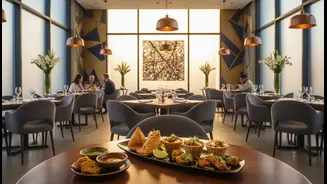
For Indian restaurants expanding overseas, the challenges are numerous and complex. One of the biggest hurdles is manpower. Finding skilled chefs who can replicate authentic regional Indian flavours is incredibly difficult and expensive in markets like the US and UK. Visa restrictions often complicate efforts to bring talent from India. Sourcing authentic, fresh ingredients is another major issue that can impact taste and quality. Beyond logistics, restaurants face a constant strategic battle: how to balance authenticity with local tastes. Many international diners have a preconceived notion of Indian food as being generic, heavy, or overly spicy. Successful restaurateurs often have to subtly adapt spice levels or presentation to appeal to a wider audience without losing the essence of the dish. This tightrope walk is something a packaged snack, with its standardized recipe, navigates very differently.
Lessons from the Snack Aisle
Despite the differences, the success of snack brands offers valuable lessons for the entire Indian food industry. The first is the power of branding and packaging. Companies like Haldiram's have invested heavily in creating a professional, trustworthy brand image that can compete on a global stage. They have moved Indian snacks from niche ethnic aisles to mainstream retail shelves. The second lesson is the importance of a standardized and reliable product. Consistency builds trust with consumers, whether they are in Bikaner or Berlin. For restaurant businesses, this translates to creating strong standard operating procedures (SOPs) and training programs so that the quality is not dependent on a single star chef. Finally, these brands show the importance of understanding distribution and logistics to reach a wider audience. They have mastered the art of getting their product in front of the customer, wherever they may be.
What This Means for Diners
For diners abroad, the rise of Indian snack brands is undoubtedly a positive development, making familiar flavours more accessible. However, it's a mistake to assume this will automatically lead to a golden age of authentic Indian restaurants. The availability of ready-to-eat chana masala in a supermarket doesn't solve the core challenges of high labour costs, ingredient sourcing, and the culinary skill required to run a high-quality restaurant. While the growing popularity of Indian food in all its forms creates a more receptive environment for new culinary ventures, the path for restaurants remains far more intricate. Diners may see more Indian options, but the journey from a packet on a shelf to a truly exceptional plate of food served in a restaurant is long and fraught with unique challenges.