






The End of the Metro Monopoly
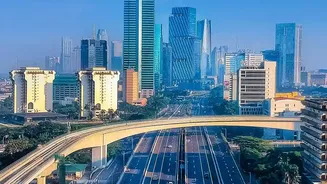
For years, the path to growth for Indian businesses was straightforward: win in the metros. Cities like Mumbai, Delhi, and Bengaluru were the undisputed epicentres of commerce. But that era of easy dominance is fading. Today, these markets are characterised
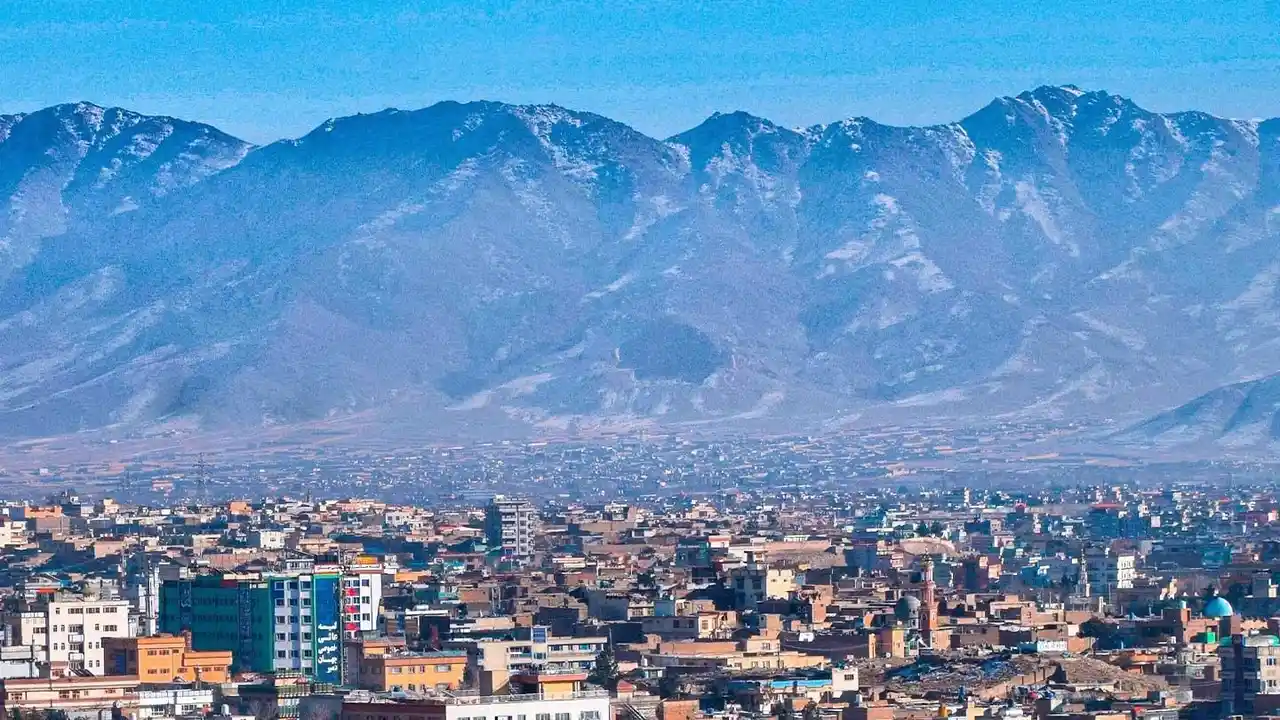
by hyper-competition, skyrocketing customer acquisition costs, and market saturation. Businesses are finding it increasingly difficult and expensive to capture attention, forcing them to look for new avenues of growth. This has triggered a strategic shift towards Tier-2 cities like Jaipur, Lucknow, Indore, and Coimbatore. These urban centres are no longer seen as secondary markets but as the primary drivers of the next wave of economic expansion, offering lower operating costs and a vast, untapped consumer base.
Meet the New Aspirational Consumer
The consumer in a Tier-2 city is not a watered-down version of their metro counterpart; they represent a unique and aspirational demographic. Fuelled by rising disposable incomes, increased digital literacy, and better infrastructure, this new middle class has ambitions that mirror those in larger cities but with distinct local values. They are digitally savvy, accessing everything from e-commerce to online education on their smartphones. This audience is eager for branded products and quality services but is also value-conscious and cautious. Reports show this burgeoning consumer class is driving significant growth, with spending on everything from fashion and electronics to international travel on the rise. Winning them over isn't just about selling a product; it's about connecting with their aspirations.
Digital Gets a Vernacular Makeover
One of the biggest mistakes brands make is applying a one-size-fits-all English-language strategy to the entire country. In Tier-2 India, this approach is doomed to fail. An estimated 90% of new internet users prefer content in their regional language, making a vernacular-first approach essential for building trust and engagement. This isn't just about translation; it's about 'transcreation'—adapting messages to fit local idioms, cultural references, and values. Brands like Amazon have seen significant upticks in engagement by investing in regional language interfaces. With over 70% of Google searches in India now happening in local languages, optimising content for vernacular SEO is no longer optional. It's the most direct way to show respect for the customer's identity and build a genuine connection.
Hyperlocal is the New Mainstream
If vernacular is the language of trust, hyperlocal is the strategy that delivers it. Businesses are learning that success in Tier-2 cities requires a ground-up approach. This means leveraging local influencers who are seen as community members, not distant celebrities. It also involves geo-targeting ads to specific neighbourhoods and using on-the-ground activations that resonate with local culture. The rise of quick-commerce and platforms like Dunzo and Zepto has reshaped consumer expectations, with speed and proximity becoming key drivers of loyalty. Nearly 76% of people who perform a local search on their phone visit a nearby business within 24 hours. This proves that for the Tier-2 consumer, relevance is local, and the most successful brands are those that feel like a part of their immediate community.
The Direct-to-Consumer Revolution
The Direct-to-Consumer (D2C) model has been a game-changer, allowing brands to bypass traditional distribution bottlenecks and connect directly with customers in smaller cities. Recent reports show that Tier-2 and Tier-3 cities are the primary growth engines for the D2C sector, accounting for a staggering 66% of new orders in FY26. This explosive growth is fuelled by widespread smartphone penetration and the convenience of digital payments. For customers, D2C offers access to a wider variety of niche and branded products. For businesses, it provides invaluable data and a direct line of communication, fostering loyalty and enabling them to tailor their offerings to a diverse and rapidly expanding market that is projected to be worth $60 billion by 2030.