
The Monsoon's Hidden Harvest
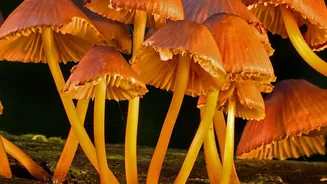
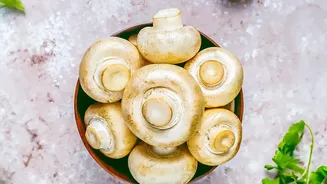
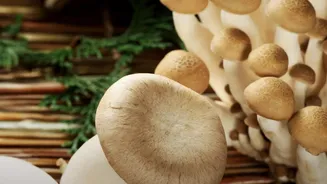
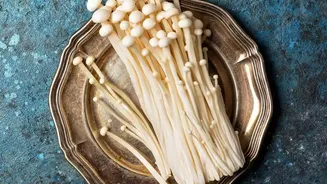
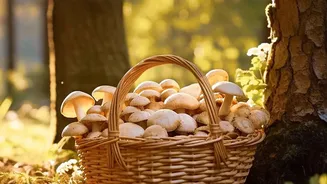
Forget the button and oyster mushrooms available year-round. The real stars of the rainy season are hyperlocal, wild, and intensely flavourful fungi that appear for only a few weeks. In Goa and along the Konkan coast, the celebrated variety is 'Olmi'
or 'Alambi' (Termitomyces), which grows exclusively on termite mounds. Often called 'Goa's Truffle', these mushrooms have a distinct meaty texture and an earthy taste that cannot be replicated. Further east, in the forests of Jharkhand and Chhattisgarh, 'Rugra' or 'Boda' mushrooms are foraged from the damp soil at the base of Sal trees and are so prized for their texture they are fondly called 'vegetarian mutton'. These are not cultivated crops but gifts of the forest, their arrival tied to thunderstorms and the deep ecological knowledge of local communities.
A Tradition Renewed
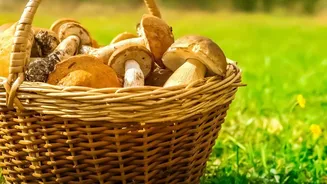
For generations, foraging for these mushrooms has been a seasonal ritual for indigenous communities across India. In states like Goa, Maharashtra, and Karnataka, tribal groups like the Siddi people possess expert knowledge, knowing exactly when and where to look for these delicacies. This traditional knowledge, passed down through generations, dictates which mushrooms are safe to eat and how to harvest them sustainably. For many families, the first mushroom meal of the season is a cherished event. Now, this tradition is experiencing a renaissance. A growing interest in local, sustainable, and organic food is encouraging a new generation of urban food lovers and chefs to appreciate and seek out these seasonal wonders, bridging a gap between ancient practices and modern culinary curiosity.
From Forest Markets to Urban Tables
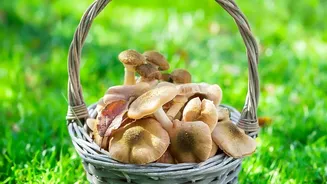
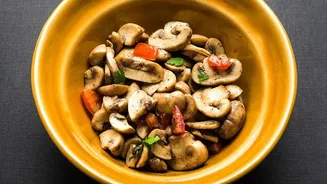
The journey for these mushrooms is short and swift. Foraged in the early morning, they often appear in local village markets by noon, sold in small, leaf-wrapped bundles. In Goa, vendors line specific streets to sell the day's fresh harvest of Olmi. But the trend is expanding beyond local consumption. Social media plays a significant role, with food enthusiasts and chefs sharing images of their foraging finds and unique dishes, sparking wider interest. High-end restaurants in cities are now incorporating these foraged mushrooms into their monsoon menus, offering everything from traditional xacuti curries to modern rava-fried snacks and experimental dishes. This creates a direct-to-consumer link that supports the local foragers while introducing a wider audience to these unique flavours.
The Allure of the Wild
What is driving this renewed fascination? It's a combination of factors. There is the undeniable appeal of hyperlocalism—eating something that grew wild just a few kilometres away and is only available for a short window of time. This exclusivity makes them a gourmet delicacy. Furthermore, as diners become more health-conscious, wild mushrooms offer a nutritious, protein-rich option that is naturally organic. They represent a tangible connection to nature and a rejection of mass-produced foods. For many, it's about the story: the thrill of the hunt, the connection to an age-old tradition, and the complex, umami-rich flavours that cultivated mushrooms simply cannot match.
A Forager's Most Important Rule
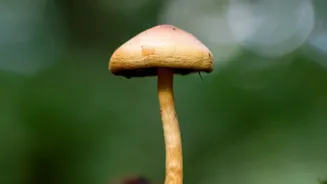
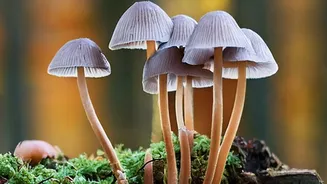
The romance of foraging comes with a critical warning: the line between delicious and dangerous is incredibly thin. Many edible wild mushrooms have toxic look-alikes, and misidentification can lead to severe illness or worse. Experts stress that one should never consume a wild mushroom unless its identity is 100% certain. The safest way for new fans to enjoy this trend is to buy from knowledgeable and trusted local vendors who have been foraging for years. These sellers are experts in their local ecosystems. For those truly interested in learning, joining guided foraging walks with mycology experts is the best approach. This ensures that the tradition is not only enjoyed but also practised with the respect and caution it demands.