


It's All About the Starch
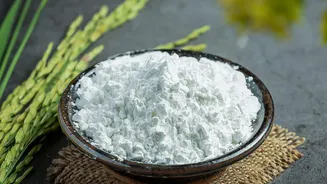
The fundamental difference between long-grain and short-grain rice lies in their starch composition. All rice contains two types of starch: amylose and amylopectin. Long-grain varieties like Basmati and Jasmine are high in amylose, a long, straight molecule
that doesn't gelatinize easily. This results in cooked grains that are separate, light, and fluffy. In contrast, short-grain rice, such as Arborio or sushi rice, is high in amylopectin. This highly branched starch molecule is the reason short-grain rice becomes sticky, creamy, and cohesive when cooked, allowing grains to clump together. Understanding this scientific difference is the first step to mastering both types.
The Art of Fluffy Long-Grain Rice
To achieve perfectly distinct grains with long-grain rice, the goal is to manage the surface starch. This is why rinsing is a non-negotiable first step. Washing the rice under cold water until the water runs clear removes the excess starch powder that causes stickiness. After rinsing, the cooking process is gentle. Use a proper water-to-rice ratio, typically around 1.5 to 2 cups of water for every cup of rice, but always check the package instructions. Bring the water to a boil, add the rice, then immediately reduce the heat to a low simmer and cover the pot with a tight-fitting lid. It's crucial not to lift the lid, as this allows steam to escape. Stirring is also a major mistake, as it breaks the grains and releases more starch. Let the rice steam undisturbed.
Embracing Short-Grain's Nature
When cooking short-grain rice, the objective is often the opposite: you want to encourage the release of that sticky amylopectin starch. For a creamy risotto using Arborio rice, for example, the rice is often toasted in fat before liquid is added gradually, one ladle at a time. Constant stirring is key here, as the friction helps the grains release their starches, creating a creamy sauce that binds everything together. For sushi rice, the method is different again. While it may be rinsed lightly, the goal is to cook it until it's tender and sticky enough to be shaped. The real transformation happens after cooking, during the seasoning and cooling process. The inherent stickiness is an asset, not a flaw.
Why the Final Steps Matter Most
This is where the 'different finish' becomes critical. Once long-grain rice has absorbed all the water, it’s not quite ready. The heat should be turned off, and the pot should be left to rest, covered, for at least 5-10 minutes. This resting period allows the steam to redistribute and firm up the grains. After resting, the final step is to gently fluff the rice with a fork. This separates the grains without breaking them, ensuring a light, airy texture. For short-grain rice, the finish is more active. A risotto is finished off the heat by vigorously beating in cold butter and Parmesan cheese—a process called 'mantecatura' in Italian—to make it exceptionally creamy. Sushi rice is tipped into a wide, non-metallic bowl, where it’s seasoned with a vinegar mixture and simultaneously fanned to cool it down quickly, which gives it its characteristic sheen and texture.
Common Pitfalls to Avoid
Regardless of the grain, a few common errors can ruin your dish. Using the wrong water-to-rice ratio is a classic mistake that leads to mushy or undercooked results. Cooking with the heat too high is another; this can cause the water to evaporate too quickly and scorch the bottom layer of rice before the rest is cooked. Finally, impatience is the enemy of good rice. Peeking under the lid while the rice is simmering releases the steam needed for even cooking, and failing to let it rest after cooking prevents the grains from achieving their ideal texture.