





A Name Rooted in Tradition
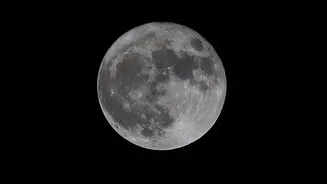
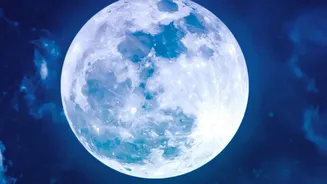
First, let's get the name straight. The full moon following the Harvest Moon is called the Hunter's Moon. The name is a nod to seasons past, when this bright moon would illuminate fields that had been recently cleared of crops. For hunters, this extra
light in the evenings was crucial for tracking game and stocking up on provisions for the long winter ahead. While our lives have changed, the name serves as a poetic link to the rhythm of the seasons and our ancestors' relationship with the sky. Other traditional names for this moon include the Freezing Moon and the Falling Leaves Moon, all pointing to the time of year in the Northern Hemisphere.
The Science of a Striking Sight
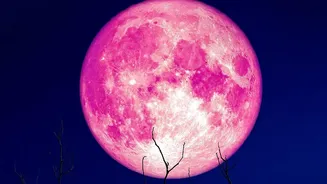
Here’s the big secret: the Hunter's Moon isn’t actually, physically brighter or bigger than other full moons. Its striking appearance is largely a matter of timing and perception. Around the autumn equinox, the angle of the moon's orbit against the horizon is particularly shallow. This means that for several evenings in a row, the full moon rises around the same time as sunset, creating less of a delay between moonrises than usual. This gives the impression of multiple nights of brilliant, full moonlight right after the sun goes down, making it seem especially persistent and bright.
The Famous 'Moon Illusion'
The most dramatic element of the Hunter's Moon is something everyone has experienced: the 'moon illusion'. This is the powerful trick your brain plays on you, making the moon look enormous when it’s near the horizon. When the moon is low in the sky, your brain compares its size to familiar objects in the foreground like trees, buildings, or hills. With these reference points, your mind perceives the moon as being much larger than it is when it's high up in the empty expanse of the night sky. Photographers use long lenses to replicate this effect, but you can see it with your own eyes just by watching the moonrise. Though scientists have studied it for thousands of years, there is still no single, perfect explanation for this powerful illusion.
Why the Beautiful Orange Glow?
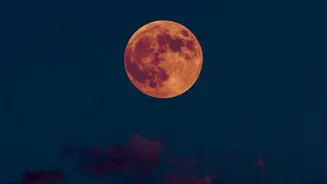
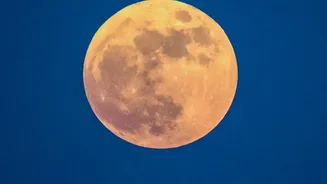
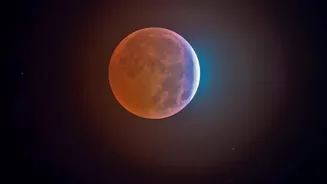
Another feature that makes the rising Hunter's Moon so stunning is its often deep orange or reddish colour. This isn't an illusion but a result of Earth’s atmosphere. When the moon is near the horizon, its light has to travel through a much thicker layer of the atmosphere to reach your eyes. This dense air scatters the shorter, bluer wavelengths of light, allowing the longer, redder wavelengths to pass through more easily. The same principle is what makes sunsets appear red. Dust or pollution in the air can further enhance this reddening effect, making the rising moon a truly fiery spectacle.
How to Get the Best View
You don’t need any special equipment to enjoy the Hunter's Moon. The full moon peaks in the early hours of October 26, 2026, so the best time for most people to watch will be the evening of Sunday, October 25, or Monday, October 26. For the most dramatic view, find a location with a clear, unobstructed view of the eastern horizon. Try to get away from the glare of city lights to appreciate its full brightness. The real show happens at moonrise, just as the sun is setting. Settle in, watch it climb above the horizon, and witness the combination of science and illusion that makes this celestial event so memorable.