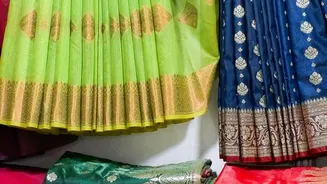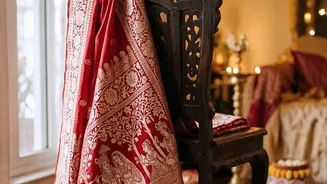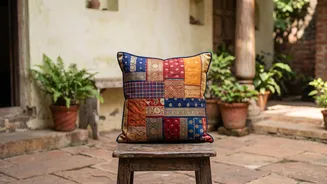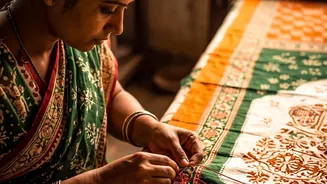



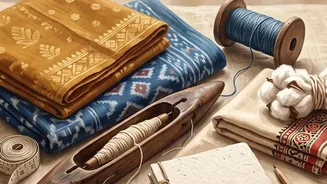

In the vibrant tapestry of Indian craftsmanship, nothing is ever truly wasted. This philosophy of resourcefulness shines brightest in our textiles, where scraps and worn-out fabrics are transformed into objects of breathtaking beauty and utility.
The Soul of Indian Upcycling
Long
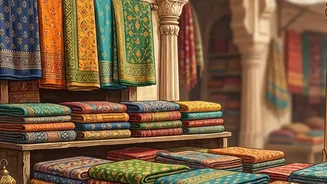
before 'sustainability' became a global buzzword, it was a way of life in households across India. The practice of breathing new life into old materials is a cornerstone of our cultural ethos. This is not merely about recycling; it is about reimagining. It's the art of seeing a pile of discarded fabric scraps not as waste, but as a palette of possibilities. Two of the most beautiful expressions of this ingenuity come from opposite sides of the country: the rugged, colourful Chindi rugs of Gujarat and the soft, narrative Kantha quilts of Bengal. Though born from different techniques—one woven, the other stitched—both tell a powerful story of creativity, conservation, and the enduring human touch.
Gujarat's Woven Rainbows: Chindi Rugs
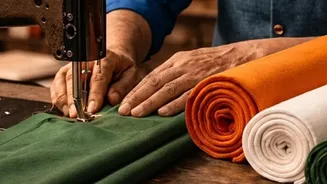
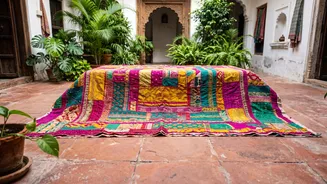
The word 'Chindi' literally translates to 'rag' or 'torn piece of cloth', and that is precisely where the magic begins. Chindi rugs are born from the remnants of the textile industry—countless strips of leftover or discarded fabric from garment production. Artisans, predominantly women in rural areas, collect these multicoloured scraps. The process is a testament to labour and creativity. The fabric strips are sorted, sometimes cut to a uniform width, and then woven by hand on looms. The warp is typically a sturdy cotton thread, while the weft is made entirely of these vibrant 'chindi' strips. The result is a thick, durable, and utterly unique rug. No two Chindi rugs are ever identical. Each one is an explosion of unplanned colour and texture, a mosaic of a thousand different fabrics that came before it. They are a joyful and practical art form, turning industrial surplus into functional beauty for the home.
Bengal's Stitched Stories: Kantha Quilts
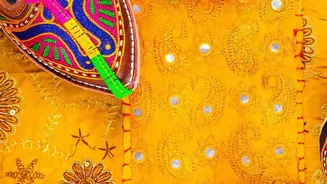
If Chindi is about the collective energy of countless scraps, Kantha is about the intimate history of a few cherished garments. Originating centuries ago in Bengal, Kantha was a domestic craft practiced by women to make quilts for their families. The word 'Kantha' is derived from the Sanskrit 'kontha', meaning rags. The process involves layering old, softened saris and dhotis—usually five to seven layers thick—and stitching them together with a simple running stitch, also called the 'kantha' stitch. The thread itself was often pulled from the borders of the old saris, ensuring that nothing was wasted. But Kantha is more than just quilting; it is a form of storytelling. Women would embroider intricate motifs drawn from their lives, nature, and mythology. Common symbols include the lotus for purity, fish for good fortune, and the tree of life, alongside scenes from village festivals and ancient epics. Each quilt became a 'diary in fabric', stitched with memories, wishes, and blessings.
Two Crafts, One Enduring Philosophy
While both crafts champion the idea of 'waste-to-wealth', their aesthetics and techniques offer a study in contrasts. Chindi rugs are woven, resulting in a dense, flat-weave texture defined by bold, abstract stripes of colour. They are a product of communal effort, often using post-industrial waste. Kantha, on the other hand, is embroidered, creating a soft, slightly wrinkled texture that is light yet warm. Its origins are deeply personal, using garments filled with family history to create narrative heirlooms. Chindi speaks in a language of vibrant, chaotic harmony, while Kantha whispers stories through delicate, rhythmic stitches. Yet, they are united by a shared spirit. Both are born from necessity and elevated by artistry. They represent a deep-rooted respect for materials and the skill of human hands, turning the humble and the discarded into something to be treasured for generations.
Modern Revival and Global Appeal
Today, these traditional crafts are finding a new and enthusiastic audience, both in India and across the globe. In a world increasingly concerned with fast fashion and its environmental impact, the sustainable, handmade nature of Chindi and Kantha holds immense appeal. They are celebrated not just for their beauty, but for their ethical credentials. This revival has also been crucial for artisan communities, providing sustainable livelihoods and empowering craftspeople, especially women, to carry their ancestral skills into the future. Contemporary designers are incorporating these techniques into modern fashion, upholstery, and decor, ensuring that the ingenuity of Chindi weavers and Kantha artists continues to evolve and inspire.