

Monsoon Gardening Essentials
The Indian monsoon is a fantastic time for plants to grow, thanks to the high humidity and cooler temperatures. However, for balcony gardeners, it comes with the unique challenge of too much water. The absolute key to a successful monsoon herb garden is proper
drainage. Without it, pots become waterlogged, leading to root rot. Start by choosing terracotta or plastic pots with plenty of drainage holes at the bottom. Elevating your pots on bricks or simple plant stands is a game-changer, allowing excess water to escape freely and preventing your plants from sitting in a puddle.
The Right Soil Mix
During the heavy rains, soil can become compacted, suffocating the plant's roots. Avoid using dense garden soil alone. A light, well-aerated potting mix is crucial. Create your own by mixing equal parts garden soil, compost, and a material that improves drainage like coco peat or coarse sand. This mixture provides nutrients, retains necessary moisture, but also allows the excess to drain away, preventing the soil from turning into a soggy mess. This simple step is one of the most effective ways to protect your herbs.
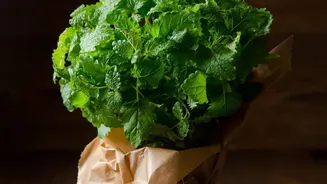
Growing Fresh Basil (Tulsi)
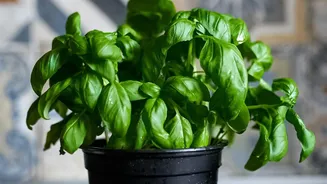
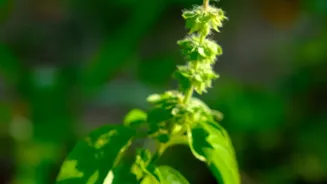
Basil, or Tulsi, is a monsoon favourite but can be susceptible to overwatering. Plant your basil in a medium-sized pot where it receives indirect sunlight and is shielded from the heaviest downpours. Water only when the top inch of the soil feels dry to the touch; the rain will often take care of the rest. A common issue during the humid monsoon is downy mildew, which appears as yellow patches on leaves with a grey, fuzzy growth underneath. To prevent this, ensure there's good air circulation around your plant and avoid overhead watering. Pinching off the flowers will also encourage more leaf growth.
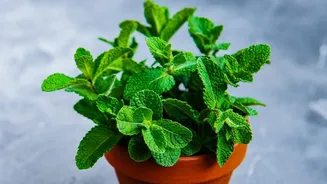
Cultivating Cool Mint (Pudina)
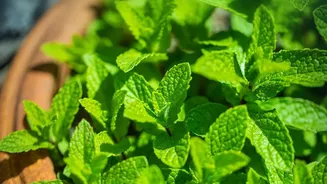
Mint is famously easy to grow and loves moisture, making it a great choice for the rainy season. It thrives in semi-shaded spots that get a bit of gentle morning sun. Mint is a fast-spreading plant, so it's best to give it its own container to prevent it from taking over other herbs. Keep the soil consistently moist but not waterlogged. Mint can be prone to rust and powdery mildew in high humidity. Good air circulation is your best defence. Space your pots out and prune the plant regularly to promote healthy, new growth and keep pests at bay.
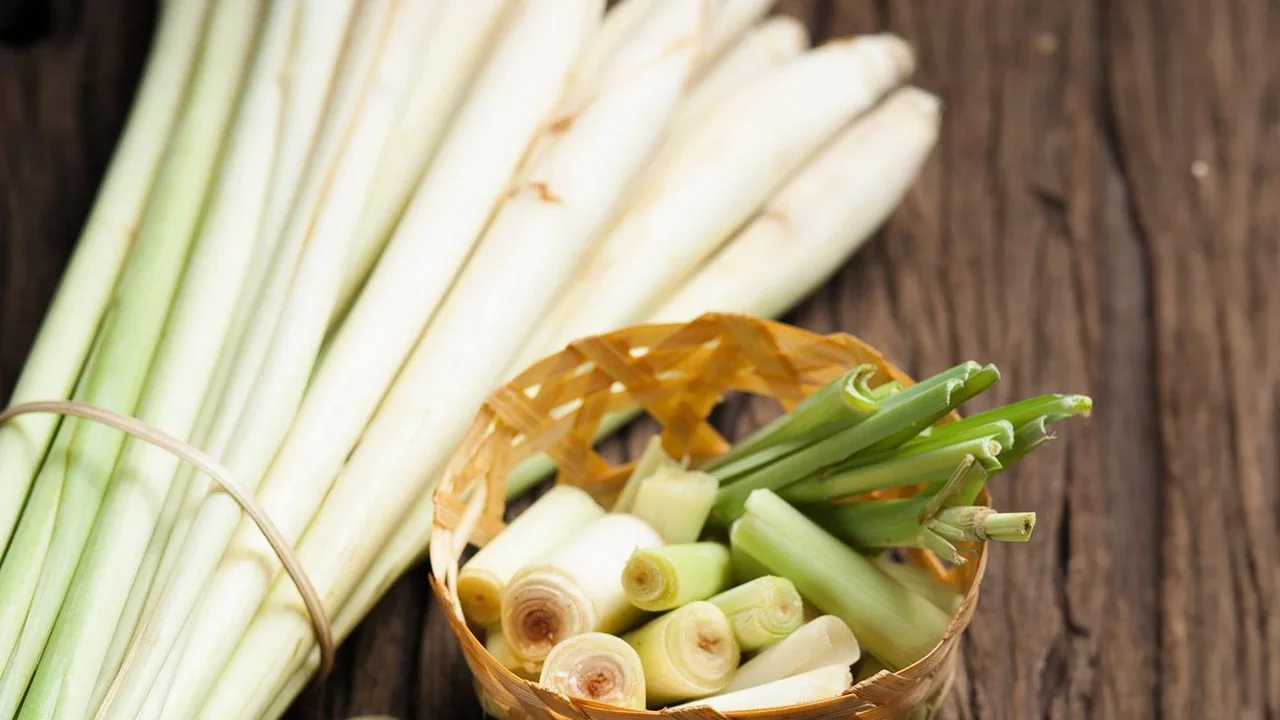
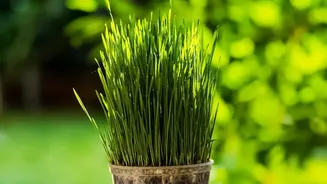
Planting Vibrant Lemongrass
The invigorating scent of lemongrass is a wonderful addition to any monsoon garden. This tropical grass loves water and sun, thriving in the rainy season's conditions. Plant it in a large, deep pot to accommodate its root system. While it loves moisture, good drainage is still important, so a well-draining soil mix is essential. Place the pot where it can receive at least a few hours of sunlight. Regularly trim any dry or yellowing leaves to encourage fresh growth. Lemongrass is quite hardy but watch out for pests like spider mites.
Pest Control and General Care
The damp and humid monsoon weather is an open invitation for pests like aphids, slugs, and snails, as well as fungal diseases. Regularly inspect your plants, especially the undersides of leaves. A preventative spray of diluted neem oil solution every 10-14 days can work wonders to keep pests and fungal issues away. Also, be sure to empty any water that collects in the saucers under your pots. Standing water not only harms the plant roots but can become a breeding ground for mosquitoes.