



The Rise of the Welcoming Passport
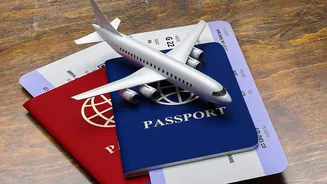
The Indian passport is gaining strength, and countries around the world are taking notice. In recent years, several nations have either waived visa requirements entirely or introduced streamlined electronic travel authorizations (ETAs) and e-visas for
Indian citizens. This shift is driven by the booming Indian outbound tourism market, which has become a significant source of revenue for many economies. For Indian travellers, this translates into less paperwork, lower costs, and the freedom to plan trips with much shorter lead times. Destinations that were once a hassle to visit are now just a flight away, fundamentally changing how and where Indians choose to holiday.
Malaysia: Visa-Free Stays Extended
A favourite among Indian tourists, Malaysia has extended its visa-free entry policy for Indian nationals through December 31, 2026. This allows for a stay of up to 30 days for tourism purposes, making trips to explore Kuala Lumpur's vibrant cityscape or Langkawi's beaches incredibly convenient. Travellers should note that they are still required to fill out the Malaysia Digital Arrival Card (MDAC) online within three days prior to arrival and should have proof of a return flight and accommodation on hand.
Thailand: A Recent Policy Reversal
Thailand's visa policy for Indians has seen some turbulence in 2026. After a proposal in May to scrap visa-free entry caused confusion and a drop in visitors, the Thai government has reversed its course. As of mid-July 2026, Thailand approved a 30-day visa exemption for Indian travellers, replacing the previous Visa on Arrival system. While this is shorter than the 60-day visa-free period that was briefly available, it restores the ease of travel and removes the need to queue and pay for a visa at the airport. The new rule is pending official publication to come into effect.
Kenya's Digital Gateway
In a bold move, Kenya declared itself a visa-free country for all nationalities starting from January 1, 2024. However, this doesn't mean you can just show up with your passport. Instead of a traditional visa, most travellers, including those from India, must now obtain an Electronic Travel Authorisation (eTA) before their journey. The eTA is a single-entry permit for stays up to 90 days, and applications should be submitted online at least three days before travel. While the process is digital, it still requires submitting travel details and paying a fee.
Sri Lanka: No Fees, Just an ETA
Sri Lanka has also made it significantly easier for Indian tourists to visit. The island nation has waived all visa and Electronic Travel Authorization (ETA) fees for Indian nationals. This policy allows for a 30-day stay and is part of a broader push to boost its tourism sector. While the process is free, travellers are still required to obtain an ETA online through the official government portal before departure to ensure a smooth entry. This removes the cost barrier, making a trip to explore its ancient ruins and beautiful coastlines more accessible than ever.
What This Means for the Indian Traveller
This growing trend of visa liberalisation empowers Indian travellers with unprecedented choice and flexibility. The ability to plan a spontaneous international trip without the lengthy and often expensive visa application process is a game-changer. It opens doors to new cultures and experiences, particularly in Southeast Asia and parts of Africa, which are now competing to attract the lucrative Indian tourist market. As more countries recognise the economic benefits, this trend is likely to continue, further strengthening the power of the Indian passport and expanding the horizons for millions of travellers.