




The Rise of After-Dark Adventure
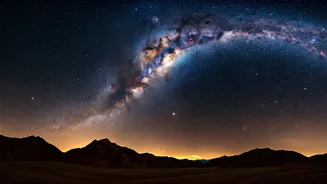
For most Americans, a truly dark sky is a forgotten wonder. More than 80% of us live under light-polluted skies, where the Milky Way is a distant memory, visible only in photographs. This growing disconnect from the cosmos has fueled a desire for a different
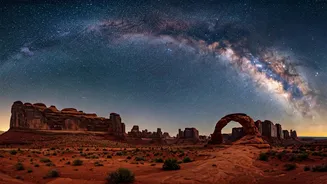
kind of travel—one that begins after the sun goes down. Enter “noctourism,” or night tourism, a trend focused on experiencing a destination’s nocturnal environment. While it can include everything from observing nocturnal wildlife to exploring cities at night, its most stellar attraction is stargazing. And right now, few places are embracing this celestial calling as enthusiastically as Rajasthan, India’s iconic “Land of Kings.”
Why Rajasthan is a Stargazer's Paradise
Rajasthan’s appeal for dark sky tourism isn't an accident; it’s a perfect convergence of geography and initiative. The state is home to a vast portion of the Thar Desert, an arid expanse with minimal population density, low humidity, and, most importantly, very little artificial light. These conditions create a pristine natural observatory. Recognizing this unique asset, Rajasthan's government has launched a statewide Astro Sky Tourism initiative. The plan includes installing high-powered telescopes in all 33 of the state's districts, establishing designated viewing sites, and training local guides. The goal is to transform its clear desert nights from a simple fact of geography into a premier tourist experience, blending science with the region's legendary hospitality.
Jaipur: Where History Meets the Heavens
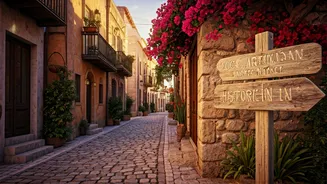
Your journey into Rajasthan’s night sky likely begins in Jaipur, the state capital. While it's a bustling city, it serves as a perfect gateway and offers its own astronomical wonders. The city’s most famous site is Jantar Mantar, a stunning 18th-century observatory and UNESCO World Heritage site. Its collection of giant masonry instruments, designed to track celestial bodies with the naked eye, provides a profound historical connection to India's long legacy of astronomy. After exploring the city’s historic sky-watching tools, travelers can join organized tours that head just outside the city limits, where the urban glow quickly fades, revealing the first taste of the brilliant cosmos that awaits deeper in the desert.
Into the Desert: Jaisalmer and Jodhpur
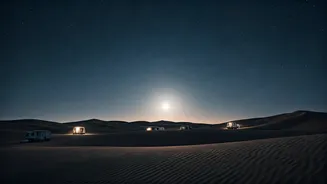
For the ultimate dark sky experience, head west toward the golden sands surrounding Jaisalmer and Jodhpur. This is the heart of Rajasthan’s noctourism boom. Here, luxury desert camps and rustic family-run guesthouses alike are beginning to offer dedicated stargazing packages. Imagine riding a camel to a secluded dune at sunset, then watching as the sky transitions from fiery orange to an impossibly deep indigo, blanketed with stars. Tour operators provide telescopes and knowledgeable guides who can point out constellations, planets, and nebulae, often weaving in local folklore and stories tied to the night sky. It’s a far cry from a planetarium show; this is an immersive, sensory experience under an endless canopy of light.
Planning Your Celestial Escape
The best time for stargazing in Rajasthan is during the cooler, drier months from October to March, when the skies are clearest. When booking, look for operators or desert camps that specifically mention “Astro tourism” or “stargazing.” Many will list the equipment they have available, such as Dobsonian telescopes, and highlight the expertise of their guides. Don’t just focus on the hardware, though. The best experiences combine astronomy with culture—think traditional music around a campfire after your stargazing session or a nighttime jeep safari to spot desert foxes. This blend is what makes Rajasthan’s offering so unique: it isn’t just about looking up at the sky; it’s about feeling connected to the ancient, quiet landscape below it.