









The Problem with Perfumes
That pleasant floral or citrus scent from an air freshener might seem like a quick fix for an unpleasant smell, but it’s often just a cover-up. Most commercial room fragrances work by masking odours, not by eliminating their source. What's more, they
can release a cocktail of chemicals into your home's air. Many scented products, including sprays, plug-ins, and even candles, emit Volatile Organic Compounds (VOCs). These chemicals easily turn into gas at room temperature, contributing to indoor air pollution. Studies have shown that these products can release numerous VOCs, some of which are classified as toxic or hazardous. This can be a concern for everyone, but especially for children and individuals with asthma or allergies, as exposure can trigger headaches, respiratory irritation, and other health issues. The fragrance itself is often a complex mixture of undisclosed chemicals, making it difficult for consumers to know what they are actually breathing in.
The Power of Fresh Air
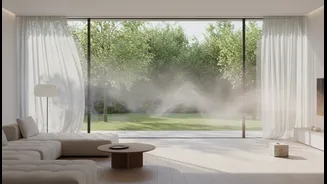
Good ventilation, on the other hand, addresses the root of the problem: stale, polluted indoor air. Air circulation works by dilution and removal. It moves the stagnant air—along with the pollutants, allergens, and odour-causing particles trapped in it—out of a room and replaces it with fresh air. This simple exchange does wonders for indoor air quality. It lowers the concentration of indoor pollutants, reduces humidity that can lead to mould, and brings in a fresh supply of oxygen. This is crucial because indoor air can often be more polluted than outdoor air, especially in well-sealed homes where contaminants can accumulate. Improving the flow of fresh air is linked to better respiratory health, improved concentration, and even a stronger immune system. Essentially, while a fragrance puts a temporary scented bandage on the issue, circulation cleans the wound.
Simple Ways to Boost Circulation
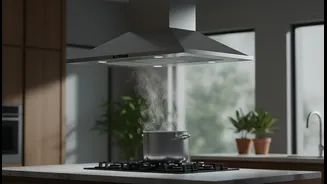
Improving air circulation doesn't require an expensive overhaul of your home. The most effective method is also the simplest: creating cross-ventilation. By opening windows or doors on opposite sides of a room or home, you allow fresh air to enter, push stale air out, and create a natural breeze. Even opening windows for just a few minutes a day can make a significant difference. Make smart use of your fans. A ceiling fan can help circulate air within a room, while a strategically placed table fan can help push stale air out of a window. Don’t forget your exhaust fans; they are essential for removing moisture and odours directly at the source in kitchens and bathrooms. In urban areas where outdoor pollution is a concern, you can time your ventilation for early in the morning or late at night when air quality is typically better.
Natural and Safe Scent Alternatives
Once you have a foundation of fresh, clean air, you might still want to add a pleasant aroma to your home. The good news is there are many ways to do this without resorting to synthetic chemical sprays. Simmering spices like cinnamon sticks, cloves, and citrus peels in a pot of water on the stove can fill your home with a warm, natural scent. Essential oil diffusers are another popular option, allowing you to enjoy scents like lavender or eucalyptus. However, it's wise to use them in well-ventilated spaces, as even natural oils release compounds into the air. You can also place bowls of baking soda or activated charcoal in rooms to naturally absorb odours without adding any scent at all. Finally, fresh flowers or air-purifying indoor plants not only look beautiful but can also help improve air quality and add a subtle, natural fragrance.