



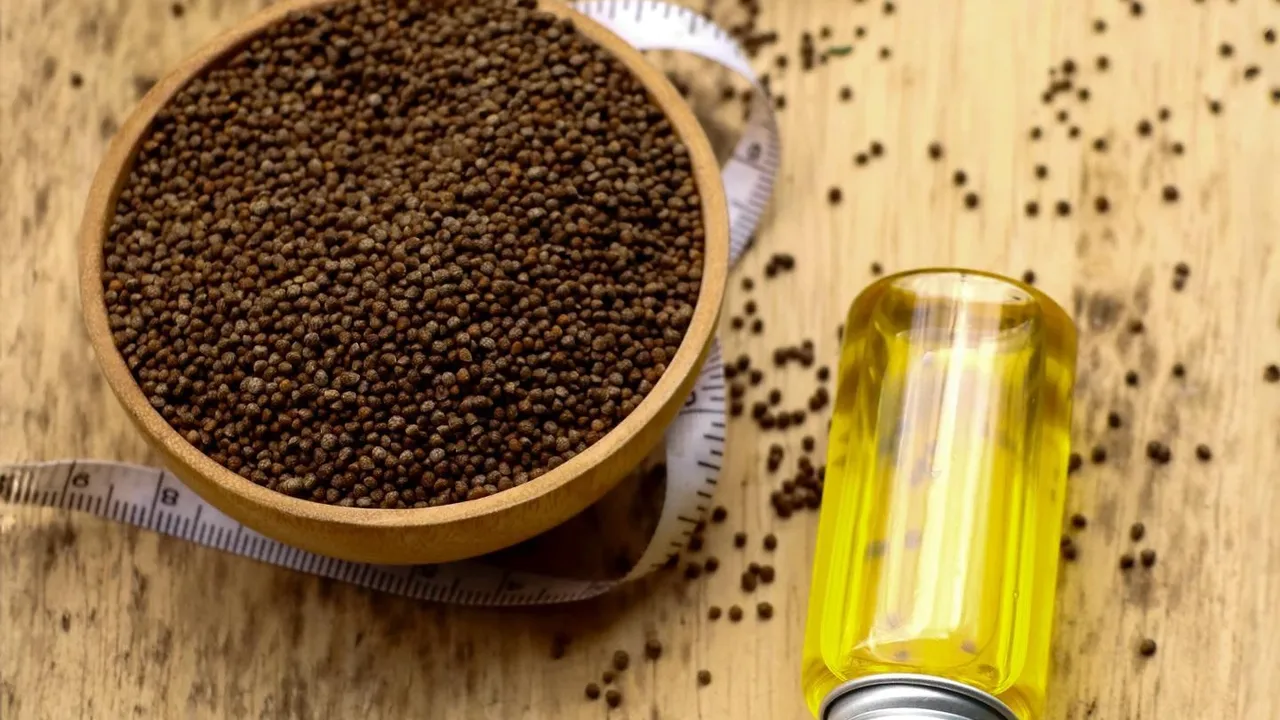

What 'Cold-Pressed' Really Means
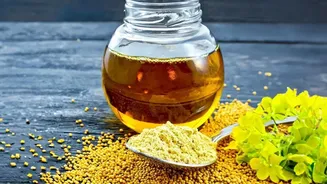
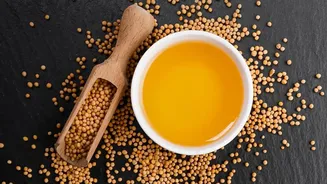
Cold-pressed oils, often known by traditional names like 'kachi ghani' or 'chekku', are extracted from oilseeds like mustard or groundnuts without using high heat. The seeds are crushed mechanically at a low temperature, a simple process that helps preserve
the oil's natural nutrients, flavour, and aroma. This is a stark contrast to modern refined oils, which are often extracted using high heat and chemical solvents like hexane. The crude oil then undergoes further processing like bleaching and deodorising to create a neutral-tasting oil with a long shelf life, but this can strip away many beneficial compounds like vitamins and antioxidants.
The Nutritional Advantage
The primary benefit of going cold-pressed is superior nutrition. Because they are processed at low temperatures, these oils retain a higher concentration of antioxidants, Vitamin E, and other plant-based nutrients called phytosterols. Cold-pressed mustard oil, for instance, preserves a healthy ratio of Omega-3 and Omega-6 fatty acids, which is important for heart health and reducing inflammation. Similarly, cold-pressed groundnut oil is a good source of monounsaturated fats (MUFA) and antioxidants that are often lost during the high-heat refining process.
The Smoke Point Question
A common concern about cold-pressed oils is their smoke point—the temperature at which an oil starts to burn and break down, producing harmful compounds. It's widely believed that unrefined oils have a low smoke point, making them unsuitable for high-heat Indian cooking. However, this isn't always true. Cold-pressed mustard oil has a surprisingly high smoke point, around 250°C, making it stable and safe for frying, sautéing, and tadka. Cold-pressed groundnut oil has a moderate smoke point, around 160-170°C, which is still suitable for most daily cooking methods like sautéing and light frying. While refined oils might have a slightly higher smoke point, cold-pressed variants are generally robust enough for a typical Indian kitchen.
Using Cold-Pressed Mustard Oil
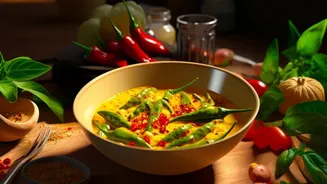
Cold-pressed mustard oil is prized in Bengali, Punjabi, and other North Indian cuisines for its distinctive pungent flavour and aroma. This pungency comes from a compound called allyl isothiocyanate (AITC), which has natural antimicrobial properties and is largely retained only in cold-pressed versions. Its high smoke point makes it excellent for deep-frying puris or samosas, making fish curry, and preparing pickles, where the oil acts as a natural preservative. Its strong flavour can elevate a simple sabzi and is essential for authentic dishes like sarson ka saag.
Using Cold-Pressed Groundnut Oil
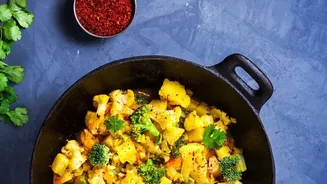
Cold-pressed groundnut oil has a pleasant, nutty flavour that enhances many dishes without overpowering them. It's a staple in many South and West Indian households. Its stable nature makes it great for everyday cooking, from making poha and upma to stir-frying vegetables and preparing curries. While it may not be the first choice for intensive deep-frying due to its moderate smoke point compared to mustard oil, it is perfectly safe and healthy for the shallow frying and tadkas that form the base of most Indian meals.
The Final Verdict: Is It Worth Switching?
Switching to cold-pressed mustard and groundnut oils can be a significant step towards a healthier diet. You get more nutrients, antioxidants, and authentic flavour. However, it’s not an all-or-nothing decision. A practical approach could be to use a combination of oils. Use cold-pressed mustard oil for high-heat cooking and traditional pungent dishes. Use cold-pressed groundnut oil for everyday sautéing and when you want a milder, nutty flavour. For occasional, very high-temperature deep-frying, you might still choose to keep a neutral refined oil. Also, consider that cold-pressed oils are generally more expensive and have a shorter shelf life, so they should be stored in a cool, dark place.