



Purity: What 'Karat' Really Means
The 'K' in gold stands for Karat, a unit that measures purity on a scale of 24. On this scale, 24K gold is the purest form available, containing 99.9% gold. Think of it as gold in its most authentic, unadulterated state. 22K gold, on the other hand, is a blend.
It contains 22 parts pure gold and 2 parts of other metals like copper, silver, or zinc. This means it has a purity of 91.67%, which is why you'll often see 22K jewellery stamped with the number '916'. These other metals aren't just filler; they are added for a very important reason: strength.
Durability: The Strength to Last a Lifetime
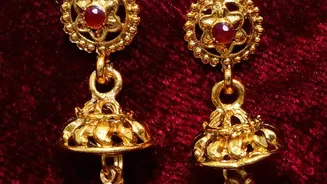
Here is where the most significant difference for a jewellery buyer lies. Pure 24K gold is extremely soft and malleable. While beautiful, this softness means it's prone to scratching, bending, and deforming, making it impractical for most jewellery, especially pieces intended for frequent wear. This is why 22K gold is the standard for bridal and traditional jewellery in India. The addition of alloy metals makes 22K gold significantly harder and more durable. It can withstand the rigours of daily life and, crucially, is strong enough to securely hold intricate designs, delicate patterns, and precious stones without compromising the structure of the piece.
Design and Craftsmanship
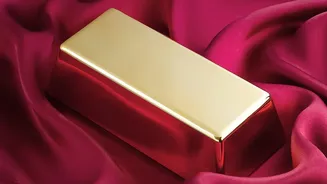
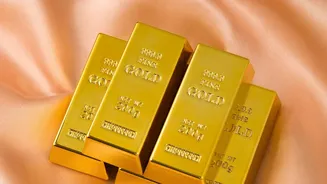
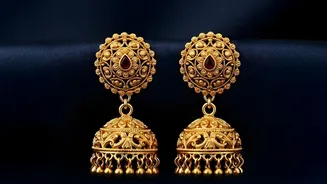
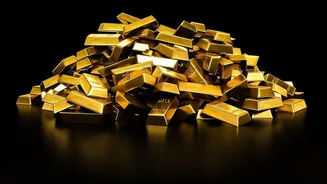
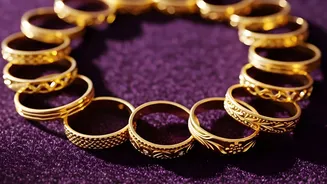
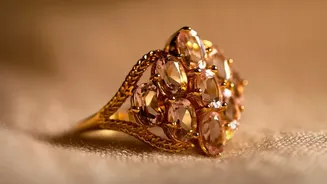
The choice of metal directly influences the artistry of the final piece. Because 22K gold is stronger, it gives artisans the freedom to create complex and elaborate designs that are hallmarks of Indian wedding jewellery. From detailed filigree work to setting multiple gemstones, the durability of 22K gold ensures the design holds its shape and integrity for generations. 24K gold's softness, by contrast, limits its use to simpler forms. It is most commonly found as investment-grade coins and bars, or very simple, solid jewellery pieces that don't require structural strength.
Price and Making Charges
Naturally, 24K gold is more expensive per gram than 22K gold due to its higher purity. However, the final price of a piece of jewellery isn't just about the gold rate. Jewellers add 'making charges' to cover the cost of craftsmanship. These charges can be a percentage of the gold's value or a flat rate per gram and can range significantly, often from 8% to 25% or more, depending on the complexity of the design. It's important to remember that these making charges are not recoverable when you sell the jewellery. Always ask for a clear breakdown of the gold price and the making charges before you buy.
Investment and Resale Value
Gold is a significant investment, and its resale value is a key consideration. Because of its purity, 24K gold has a higher intrinsic value and will fetch a price closer to the current market rate for gold when sold. However, 22K gold jewellery is also a powerful asset. When you sell it, the value will be based on the weight and purity of the gold (91.67%), with deductions typically made for the original making charges. While 24K gold is superior for pure investment, 22K jewellery's enduring cultural and aesthetic value, combined with its high gold content, ensures it remains a strong store of wealth.
The Final Verdict for Your Big Day
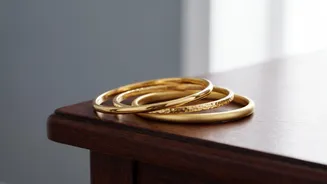
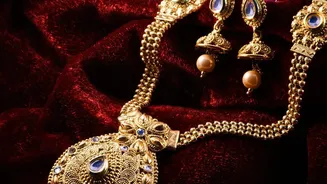
The choice between 22K and 24K gold ultimately comes down to its intended purpose. For wearable wedding jewellery—the stunning necklace, the intricate bangles, the heirloom jhumkas—22K gold is the clear and practical winner. It offers the perfect balance of high purity, rich colour, and essential durability. For those looking to commemorate the occasion with a pure investment, 24K gold in the form of coins or bars is the ideal choice. It represents wealth in its most direct form. Always ensure any gold you buy is BIS hallmarked, which certifies its purity and is a mandatory standard in India.