






The Case Study: Japan's 'Sayonara Tax'
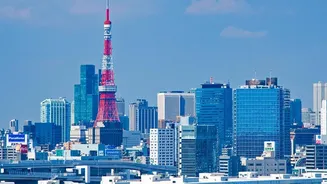
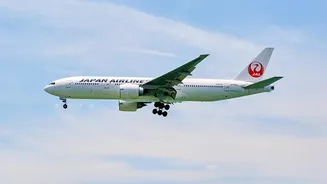
As of July 1, 2026, Japan tripled its International Tourist Tax, a fee sometimes called the 'Sayonara Tax'. This departure tax, which applies to nearly all travellers leaving the country by air or sea, jumped from ¥1,000 to ¥3,000. While it might not
seem like a huge amount, it's a mandatory charge that gets automatically added to your ticket price. You don't pay it separately at the airport; it's baked into the final cost, often appearing alongside a dozen other line items. Japan’s stated goal is to use the revenue to combat overtourism and improve infrastructure. This move is a clear reminder that governments can and do add costs to your travel budget, and these are entirely separate from what the airline itself charges.
Base Fare: Just the Starting Point
The price you see advertised is almost always the 'base fare'. Think of this as the airline's core price for getting you from Point A to Point B. It covers the seat itself and the airline's basic operational costs. However, this figure is just the first layer. On top of this, airlines and governments pile on a series of additional charges that make up the total price you actually pay. The base fare's primary function in the modern travel market is to look attractive on search engines and win your initial click. The real cost comes later.
Carrier Surcharges: The Airline's Add-Ons
The most significant additions from the airline itself are often called 'carrier-imposed surcharges' or, historically, 'fuel surcharges' (often coded as YQ or YR on a fare breakdown). While originally intended to cover volatile fuel prices, these are now widely seen as mandatory junk fees that airlines use to increase the ticket price without raising the base fare. Unlike government taxes, this money goes directly to the airline. It's a non-negotiable part of the ticket, and these surcharges can sometimes be hundreds of dollars on international flights, completely changing the economics of the 'deal' you thought you found.
Taxes and Fees: The Government's Share
This is where Japan's tax fits in and where the list of charges can get long and confusing. Every country, and sometimes every airport, has its own set of mandatory taxes and fees that are passed on to the passenger. These can include Passenger Facility Charges (PFCs) to fund airport maintenance, security fees for screening, customs and immigration fees, and specific national tourism taxes. For instance, when flying from India, you'll see a Goods and Services Tax (GST) and other charges applied. These fees vary dramatically depending on your route, including any layovers, and they are always your responsibility to pay, whether you book with cash or points.
How to See the Real Price
So, how can you avoid being surprised? The most important rule is to never trust the first price you see. Always proceed through the booking process to the final payment page, where regulations in most regions require airlines to show an itemised breakdown of the total cost. Use flight comparison sites that have a filter to show the 'all-in' price, including taxes and standard fees. Be especially wary of budget airlines, which are notorious for advertising rock-bottom base fares and then adding charges for everything from carry-on bags to printing a boarding pass at the airport. Understanding that the headline price is just an invitation is the first step to becoming a smarter traveller.