





What is El Niño?
El Niño, which means 'The Little Boy' in Spanish, is a naturally occurring climate pattern. It's the warm phase of the El Niño-Southern Oscillation (ENSO), a cycle that involves the warming of surface waters in the central and eastern tropical Pacific
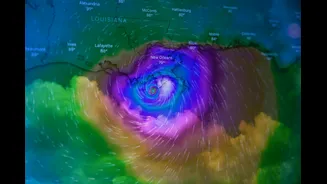
Ocean. This warming, which occurs every two to seven years and can last for nine to 12 months, weakens the normal east-to-west trade winds. The disruption changes atmospheric pressure and alters weather patterns across the globe, influencing everything from rainfall in Southeast Asia to temperatures in North America.
A Potentially Unprecedented Event
The 2026 El Niño is causing significant alarm among scientists. The World Meteorological Organization (WMO) has warned that this event is strengthening rapidly and is 'literally off the monitoring charts'. Forecasts for November 2026 to January 2027 suggest that sea surface temperatures in the key Pacific region could reach up to 3.8 degrees Celsius above average. To put that in perspective, previous record-breaking 'super' El Niño events peaked around 2.6 to 3 degrees Celsius above average. The WMO and other agencies indicate there is a near-100% chance that these strong El Niño conditions will persist through March 2027, with the event expected to peak around December 2026.
The Threat of Extreme Heat
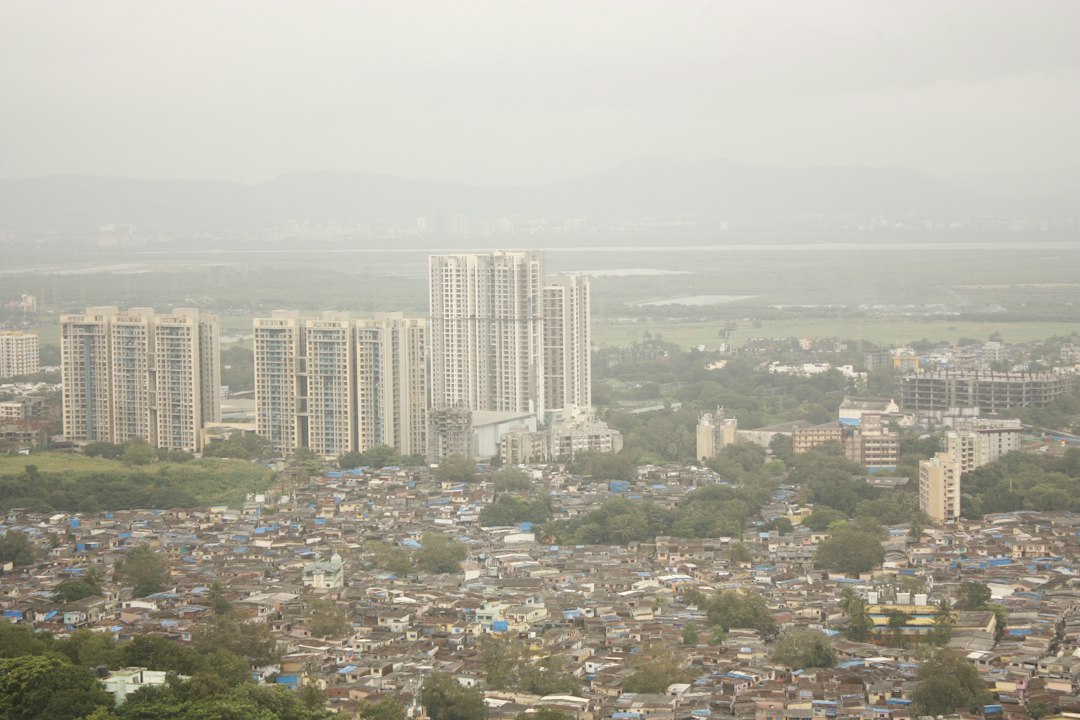
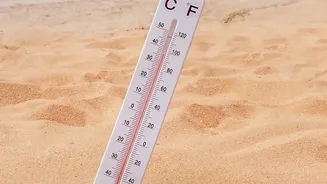
For India, one of the most immediate concerns is extreme heat. El Niño years are strongly associated with higher-than-average temperatures and more intense heatwaves across the country. This atmospheric warming, combined with an already warming global climate, creates a dangerous combination. The WMO has flagged that South Asia is expected to experience above-normal temperatures. This raises the risk of heat-related illnesses like heat exhaustion and heatstroke, especially for vulnerable populations such as the elderly, children, and outdoor workers. Past strong El Niño events have been linked to thousands of excess deaths in India due to scorching heatwaves.
A Weaker Monsoon and Water Scarcity
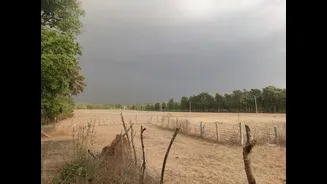
El Niño has a historically strong connection to India's monsoon. By shifting atmospheric circulation patterns, it often suppresses and weakens the vital Southwest Monsoon, which provides about 70% of the country's annual rainfall. This can lead to significant rainfall deficits, raising the risk of drought, particularly in northern India. A weaker monsoon affects agriculture, reduces crop yields, and can drive up food prices. It also leads to lower water levels in reservoirs, increasing stress on water resources for drinking, sanitation, and hydropower generation.
Shifting Disease Patterns
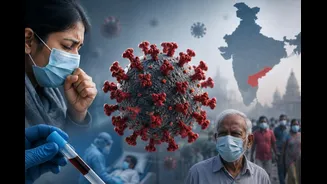
The changes in temperature and rainfall brought by El Niño can also create ideal breeding grounds for disease-carrying vectors like mosquitoes. Irregular rainfall can create new stagnant water pools where mosquitoes thrive, increasing the risk of outbreaks of dengue, malaria, and chikungunya. At the same time, drought and water scarcity can lead to poor hygiene and contaminate water supplies, elevating the risk of water-borne diseases like cholera and dysentery. The World Health Organization (WHO) has identified India as a country with high health risks associated with the current El Niño and has escalated its global response to its highest emergency level.
A Call for Preparedness
While El Niño is a natural phenomenon, its impacts are becoming more severe in a warming world. The forecasts for 2026 and early 2027 serve as a critical early warning. In India, agencies like the India Meteorological Department (IMD) are closely monitoring the situation and issuing regular advisories. National and state-level preparedness involves reinforcing health systems, planning for agricultural contingencies, and managing water resources carefully. For communities and individuals, this means staying informed about heatwave warnings, taking precautions against mosquito bites, and conserving water. Early action and coordination are key to mitigating the worst effects of this powerful climate event.