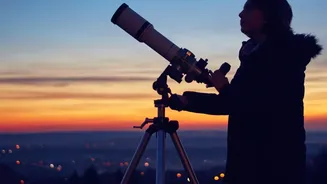






Your Urban Observatory Awaits
The glow of streetlights and neon signs in our cities creates significant light pollution, which can make stargazing seem impossible. While it does wash out fainter stars and the beautiful arc of the Milky Way, it is no match for the brilliance of the brighter
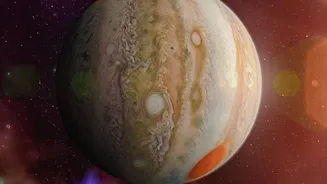
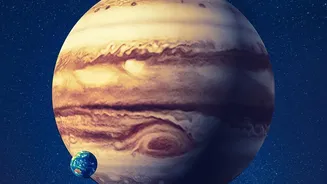
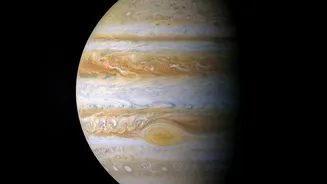
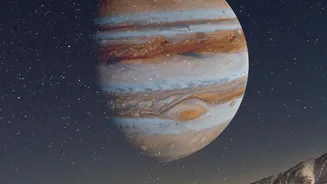
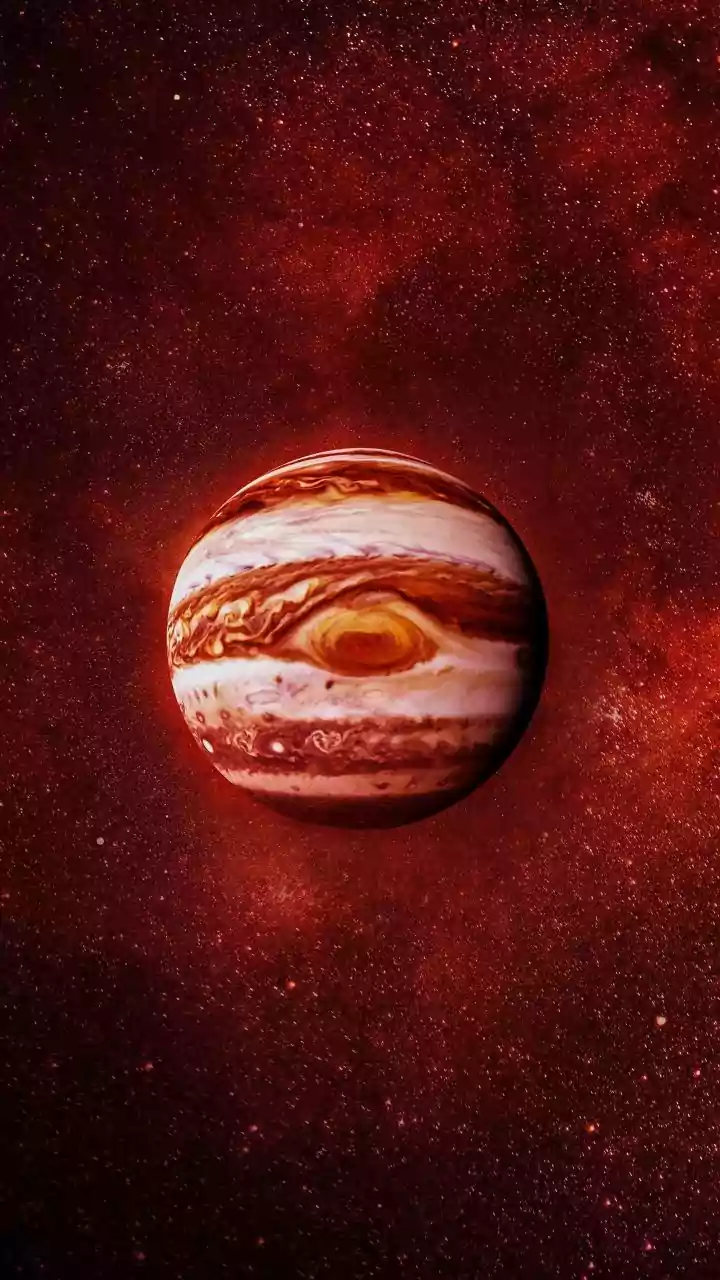
planets. Jupiter and Saturn, the two largest planets in our solar system, are often bright enough to cut through the urban haze. You don't need a remote, dark-sky location to begin your astronomical journey; your own balcony or a nearby terrace can serve as the perfect launchpad. The key is to manage expectations. You won’t see the swirling clouds of Jupiter with your naked eye, but you will be able to identify it as a distinct, steady point of light, a rewarding sight in itself. The goal is connection, not perfection.
Gearing Up: The Power in Your Pocket
Forget expensive telescopes for now. Your most powerful tool is the smartphone you use every day. Modern stargazing apps turn your device into a portable planetarium, using its internal sensors to create a real-time map of the sky. Simply point your phone upwards, and the app will identify stars, constellations, and, most importantly, planets. For beginners, apps like Star Walk 2, SkyView Lite, and Stellarium Mobile offer excellent free versions that are more than capable. These apps use augmented reality (AR) to overlay information on your screen, making identification foolproof. Before you head out, download one or two of these apps and allow the necessary permissions for location and compass access. Many can even work offline, which is useful if your balcony has a spotty connection.
Timing and Location Are Everything
In September 2026, both Jupiter and Saturn are wonderfully placed for viewing. Saturn rises in the east shortly after sunset and remains visible for most of the night. Jupiter makes its grand appearance in the pre-dawn eastern sky, shining brilliantly as a bright white light. On the morning of September 8th, the crescent Moon will be very close to Jupiter, making it exceptionally easy to locate. To get the best view, choose a time well after sunset for Saturn or a couple of hours before sunrise for Jupiter. This allows the sky to darken as much as possible. Find a spot on your balcony with the most unobstructed view of the eastern sky. Even a small window of clear sky between buildings is enough to catch these celestial giants.
Step-by-Step: Finding the Gas Giants
First, give your eyes a chance to adjust. It takes about 15-20 minutes for your vision to adapt to the dark, which will help you spot more than just the brightest city lights. Avoid looking at your bright phone screen during this time; many apps have a red-light mode to help preserve your night vision. Once your eyes are ready, open your chosen stargazing app. Hold it up to the sky. The app will calibrate itself and show you the constellations in the direction you are pointing. To find your targets, use the app's search function. Type in "Saturn" or "Jupiter," and an arrow will likely appear on screen, guiding you to its position. Follow the arrow until the planet is centered on your screen. Now, lower your phone and look in that same direction. You should see a bright, non-twinkling point of light. That’s it! Stars twinkle, but planets shine with a more steady light because they are much closer to us. Jupiter will appear as a very bright, white star, while Saturn will be a steady, yellowish-white light.
Enhancing Your View
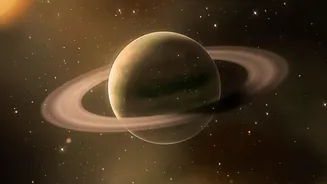
Once you have successfully found Jupiter and Saturn with your naked eye, you might get curious for a closer look. You don't need to jump straight to a large telescope. A simple pair of binoculars can dramatically enhance your view. With a steady hand or by bracing your arms against a wall, you might be able to spot the four largest moons of Jupiter, known as the Galilean moons. They will look like tiny pinpricks of light in a line on either side of the planet. While you won't see Saturn's rings in detail with most binoculars, you will notice that its shape is not perfectly round, hinting at the magnificent structure that makes it so famous. This simple act of seeing another world from your home can be a profound experience, connecting you to the vast universe beyond the city limits.