


The Royal Splendour of Mysore Dasara
In Mysuru, Karnataka, Dussehra is 'Dasara', a ten-day state festival ('Nadahabba') steeped in 400 years of royal history. The celebration commemorates Goddess Chamundeshwari's victory over the demon Mahishasura. The city transforms into a visual marvel,
with the iconic Mysore Palace illuminated by nearly 100,000 bulbs every evening. The main event is the 'Jamboo Savari', a grand procession on Vijayadashami. A decorated elephant carries a 750kg golden howdah containing the idol of Goddess Chamundeshwari from the palace to the Bannimantap grounds, accompanied by music, dance troupes, and ceremonial guards. This regal spectacle, a tradition continued from the time of the Wodeyar kings, offers a journey into a past filled with grandeur and pageantry.
Kolkata’s Artistic Heartbeat: Durga Puja
While technically a distinct festival, the culmination of Durga Puja in Kolkata coincides with Dussehra on Vijayadashami, creating an unmissable cultural phenomenon. The city becomes a sprawling, open-air art gallery. Neighbourhoods compete to create elaborate temporary structures known as 'pandals', each with a unique theme and housing meticulously crafted idols of Goddess Durga defeating Mahishasura. The air fills with the rhythmic beats of the 'dhak' drum and the mesmerising 'dhunuchi naach', a dance with earthen incense burners. The festival concludes on Vijayadashami with 'Sindoor Khela', where married women smear vermilion on each other, followed by the emotional immersion of the idols in the river, symbolising the Goddess's return to her celestial home.
The Theatrical Grandeur of Delhi’s Ramlila
In North India, Dussehra celebrates Lord Rama's victory over the ten-headed demon king Ravana. In Delhi, this narrative comes to life through 'Ramlila', a theatrical retelling of the Ramayana. For several nights leading up to Dussehra, grounds across the city, most famously the Ramlila Maidan, host dramatic performances filled with elaborate costumes and dialogues. The celebration peaks on Dussehra evening with 'Ravana Dahan'. Towering effigies of Ravana, his brother Kumbhakarna, and son Meghanada are set ablaze, packed with fireworks that explode to the cheers of massive crowds. It’s a powerful public spectacle that combines devotion with the festive atmosphere of a community fair, or 'mela'.
Kullu’s Unique Assembly of Deities
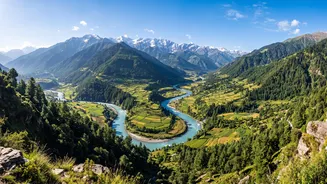
In the serene Kullu Valley of Himachal Pradesh, Dussehra festivities begin when they end elsewhere in the country. This week-long International Mega Dussehra festival starts on Vijayadashami day itself. The highlight is a breathtaking gathering of more than 200 local deities, carried on ornate palanquins by devotees from remote villages. They assemble at the Dhalpur ground to pay homage to Lord Raghunath, the principal deity of the valley. Unlike the effigy burning of Ravana seen elsewhere, the festival here concludes with the 'Lanka Dahan' ceremony, where a pile of wood and grass is symbolically set on fire on the banks of the Beas River.
Bastar’s Ancient Tribal Traditions
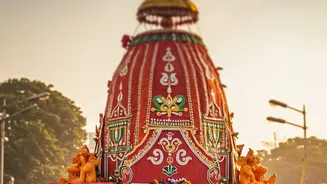
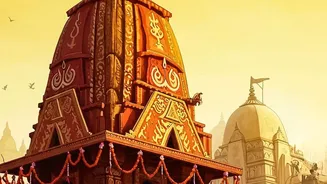
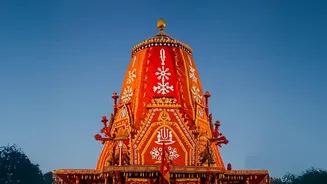
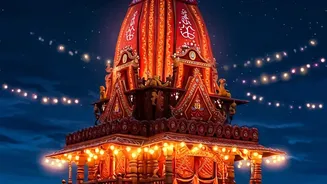
Perhaps the most distinct of all is the Bastar Dussehra in Chhattisgarh, a festival that has little to do with Rama or Ravana. Spanning an incredible 75 days, it is believed to be one of the longest festivals in the world. This celebration is dedicated to Goddess Danteshwari, the region's presiding deity, and is a mesmerising showcase of centuries-old tribal culture and rituals. The festival involves a series of unique ceremonies, including the 'Pat Jatra', the worship of wood for the chariot, and a grand procession of a massive, eight-wheeled chariot pulled by devotees. It’s a powerful expression of community faith and nature worship, offering a profound glimpse into India’s indigenous heritage.