






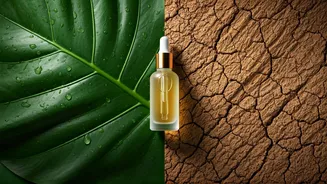


Why Your Climate Is a Skincare Essential
Every day, your skin is exposed to environmental factors like UV rays, pollution, and temperature changes. [1] These elements, collectively known as the exposome, can alter your skin's oil production, hydration levels, and overall sensitivity. [1] For
instance, high humidity can lead to clogged pores and breakouts, while dry air can strip the skin of moisture, causing flakiness and irritation. [1, 9] Urban pollution introduces another layer of stress, as airborne particles can generate free radicals that accelerate aging, cause inflammation, and lead to dark spots. [5, 7, 8] By understanding how your environment affects your skin, you can adapt your routine to counteract these challenges, ensuring your products are working for you, not against you.
For Hot and Humid Climates
In hot, humid weather, the air's moisture can make skin feel plump, but it also signals sebaceous glands to produce more oil. [2, 9] This often leads to a shiny complexion, clogged pores, and an increase in breakouts. [1]
* **For Oily & Acne-Prone Skin:** The key is to manage excess oil without stripping the skin. Opt for lightweight, non-comedogenic (pore-clogging) products. [1, 18] A foaming or gel cleanser can effectively remove sweat and grime, while a chemical exfoliant with salicylic acid (BHA) used a few times a week will help keep pores clear. [13] Follow with a light, oil-free or gel-based moisturizer containing ingredients like hyaluronic acid to hydrate without adding weight. [1, 16]
* **For Dry & Sensitive Skin:** Even in humidity, your skin needs hydration. Heavy creams, however, can feel suffocating. Choose a lightweight lotion or serum that hydrates effectively. [2] Avoid over-washing, which can disrupt your skin's protective barrier, and stick to gentle cleansers. [12]
For Cold and Dry Climates
Cold air holds less moisture, and indoor heating further depletes it, leaving skin feeling tight, dry, and chapped. [1] These conditions can weaken the skin's natural barrier, leading to redness, sensitivity, and flare-ups of conditions like eczema. [19, 27]
* **For Dry & Sensitive Skin:** The goal is to layer hydration and lock it in. Switch from foaming cleansers to cream-based, hydrating ones that won't strip natural oils. [19, 26] Immediately after cleansing, while skin is still damp, apply a hydrating serum with hyaluronic acid, followed by a thick, rich moisturizer. [4, 21] Look for creams with ceramides, shea butter, or squalane, which help repair and reinforce the skin barrier. [4, 20, 22] Using a humidifier indoors can also add much-needed moisture back into the air. [19]
* **For Oily & Combination Skin:** You might notice your skin feels less oily but more dehydrated. Don't skip moisturizer; instead, opt for a lotion or a slightly richer cream than you'd use in the summer. [29] Continue to cleanse thoroughly but avoid harsh, drying formulas. [22]
For Polluted Urban Environments
City dwellers face a unique challenge: airborne pollutants. Fine particulate matter from traffic and industrial emissions can penetrate the skin, leading to oxidative stress, which breaks down collagen and accelerates signs of aging like wrinkles and fine lines. [5, 8, 10] Pollution can also worsen hyperpigmentation, inflammation, and sensitivity. [5, 7]
* **Your Anti-Pollution Strategy:** The first line of defense is thorough cleansing. Double cleansing in the evening—starting with an oil-based cleanser to dissolve pollutants and sunscreen, followed by a gentle regular cleanser—is highly effective. [7, 13] The second crucial step is incorporating antioxidants into your morning routine. A serum containing Vitamin C helps neutralize free radical damage from pollution and UV rays. [7] Finally, never skip sunscreen. Sun exposure can amplify the damaging effects of pollution, particularly when it comes to dark spots. [5]