


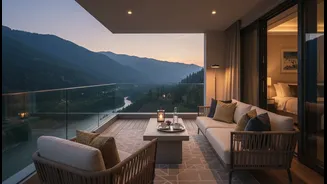




The New 'Micro-Vacation' Mindset
The logic behind splurging on shorter trips is surprisingly simple. When a vacation is only two or three nights, the total cost of the trip is naturally lower than a week-long holiday. This creates a psychological permission slip for travellers to allocate
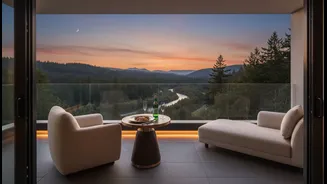
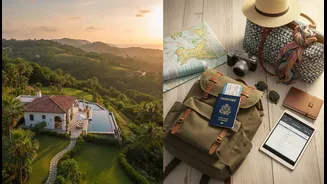
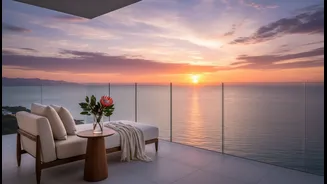
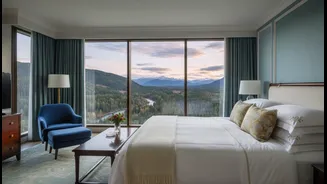
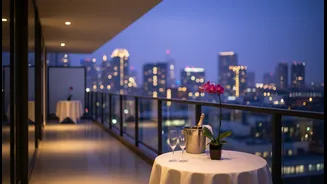
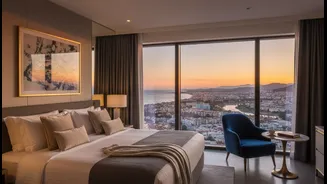
a larger portion of their budget to accommodation. The thinking goes: if I'm only away for a weekend, why not make it truly special? This has led to a rise in what can be called 'micro-luxury' or 'micro-vacation' trips. Instead of a standard room, travellers are more willing to book a suite, a room with a view, or a boutique hotel with premium amenities. The goal is to maximize the experience within a compressed timeframe, turning a brief escape into a highly memorable event. One report noted that even as travellers shorten their vacations, they often make up for the brevity with indulgence. This trend is particularly popular for weekend getaways, city breaks, and long-weekend holidays.
Experience Over Everything
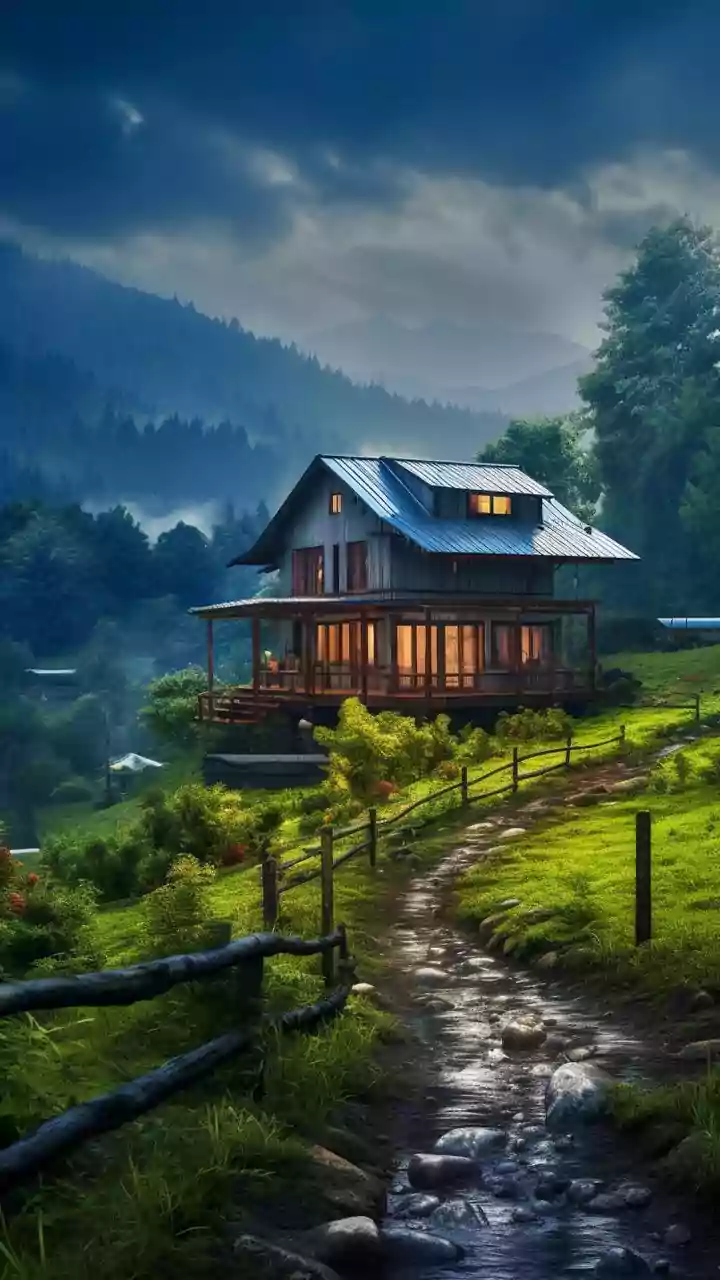
Driving this shift is a deep-seated desire for experiences over material possessions, a trend particularly strong among Millennial and Gen Z travellers. According to one report, an overwhelming 84% of respondents from these generations would rather take a dream holiday than purchase a new luxury item. Travel is seen as a crucial budget priority. This experience-first mentality means the hotel is no longer just a place to sleep; it is a central part of the vacation experience itself. Travellers are seeking unique stays that offer more than just a bed, from glamping in nature to staying in a historic castle. The 'beige-ification' of traditional luxury hotels, with their standardised aesthetics, is pushing younger travellers towards more distinctive and immersive options. They are willing to pay a premium for accommodations that provide character, charm, and a story to share.
The Rise of 'Bleisure' Travel
Another significant factor is the boom in 'bleisure' travel—the blending of business and leisure. With the rise of flexible and remote work, professionals are increasingly adding personal vacation days onto their work trips. When a company is covering the cost of flights and a portion of the stay, it becomes much easier for an individual to justify spending their own money to upgrade their room or extend their stay for a few extra leisure days. Hotels are big winners in this trend, as bleisure travellers tend to stay longer, spend more on hotel amenities, and are more likely to travel with companions. In India, the domestic business travel market is robust, and as professionals travel for work, the opportunity to add a leisure component makes premium hotel stays more attractive. This trend is so significant that the global bleisure market is projected to grow substantially in the coming years.
How the Industry Is Responding
The hospitality industry has been quick to adapt to this new behaviour. Hotels are increasingly offering curated packages designed for short stays, such as weekend wellness retreats, all-inclusive dining deals, and romantic getaway bundles. These packages often focus on the value of the experience rather than just the nightly rate. Recognising that modern travellers are booking with shorter lead times, many hotels are also using dynamic pricing and offering last-minute deals to attract spontaneous weekenders. In India, where domestic tourism is the primary engine of the hospitality sector, hotels are adapting their strategies to serve consistent, year-round demand for short breaks, including cultural trips and weekend getaways. The focus is shifting from simply filling rooms to creating high-value, experience-rich stays that justify a higher price point, even for a shorter duration.